Dutch Election Results Reflect Shift Toward Centrism
Dutch voters have seemingly chosen a centrist approach over far-right rhetoric in a recent snap election, according to exit polls. The event has drawn significant attention across Europe as far-right movements gain momentum in several countries.
The centrist D66 party, led by Rob Jetten, is projected to secure 27 seats out of 150 in parliament, surpassing Geert Wilders’ far-right PVV Freedom Party, which is expected to win 25 seats. The Ipsos poll suggests this outcome, although the final results may vary as actual votes are counted.
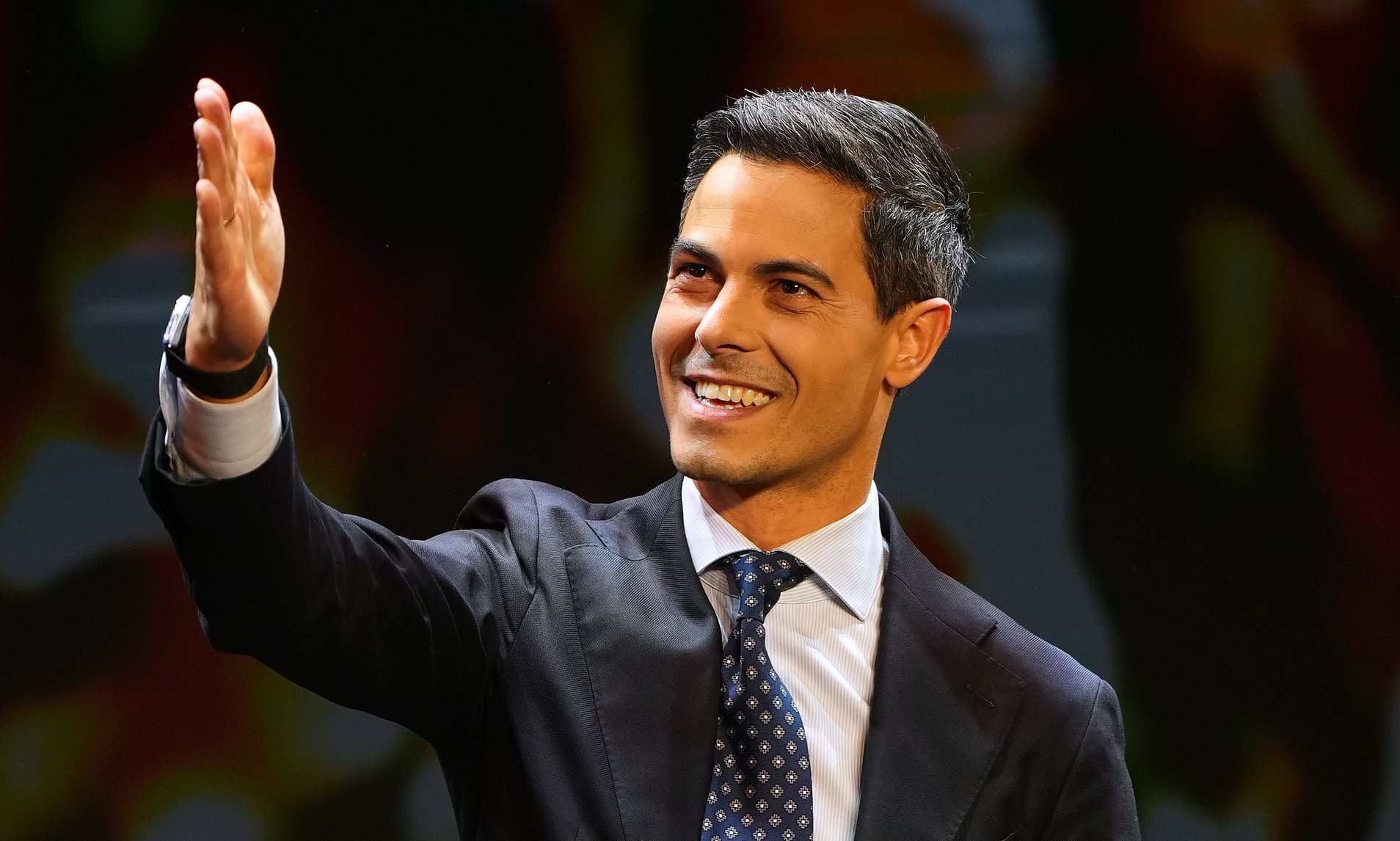
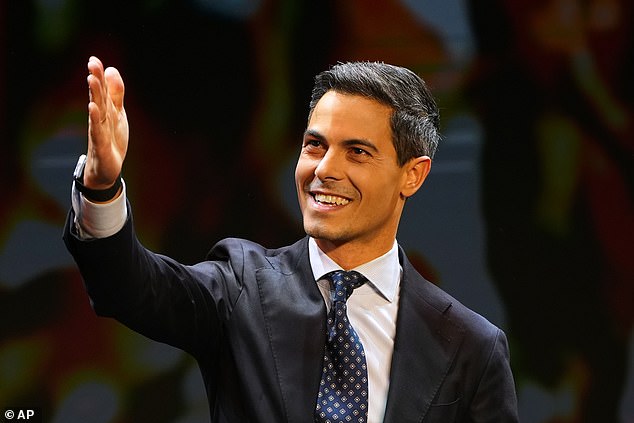
In addition to these projections, the centre-right liberal VVD party is anticipated to win 23 seats, while the left-wing Green/Labour bloc is expected to gain 20. If confirmed, this result would position Jetten, a 38-year-old pro-European leader, as a strong candidate for prime minister, pending coalition negotiations.
D66 supporters celebrated their election victory at a party in Leiden, waving Dutch and European flags. Jetten expressed his joy, stating, “We’ve done it,” and added that millions of Dutch people have turned the page today, rejecting the politics of negativity and hate.
Wilders, on the other hand, appeared to concede the race, expressing his disappointment on social media. He wrote, “The voter has spoken. We had hoped for a different outcome but we stuck to our guns.”
The Dutch election was seen as a critical test for the strength of far-right movements in Europe, especially after similar trends were observed in Britain, France, and Germany. If the exit poll results are confirmed, the PVV would lose 12 seats compared to its impressive 2023 election win.
The party’s decline in support can be attributed to its role in forming and subsequently dismantling a four-party coalition known for internal conflicts and failure to implement strict migration measures. The PVV’s campaign focused on addressing migration and housing shortages—issues that resonate throughout Europe.
However, in a country where coalition governments are common, it remains uncertain if other parties would consider working with Wilders again. Mainstream parties have already ruled out any collaboration, citing his decision to dissolve the previous coalition over migration disputes as evidence of untrustworthiness.
“It’s up to the voters today,” Wilders said after casting his vote. “It’s a close call—four or five different parties. I’m confident.”
Frans Timmermans, who leads the center-left bloc consisting of the Labor Party and Green Left, brought his black labrador to a polling station in Maastricht. He emphasized the importance of avoiding a right-wing government, stating, “Let’s hope we come out as first because that is the only guarantee to avoid a right wing government.”
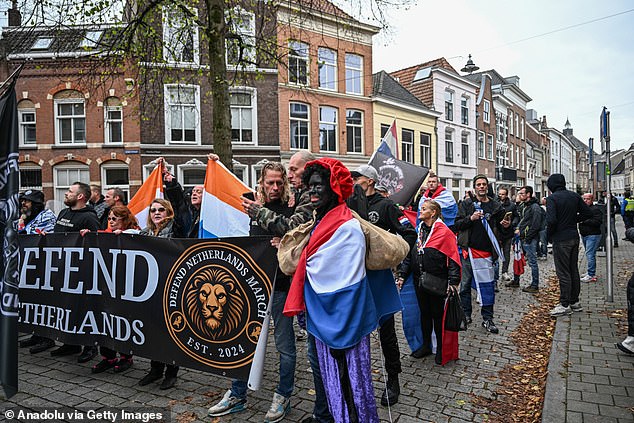
The election took place amid deep political polarization in the Netherlands, marked by violence at an anti-immigration rally in The Hague and protests against new asylum-seeker centers. Olga van der Brandt, a 32-year-old voter, expressed hope that this time, a more progressive party would take the lead.
Christian Democrats leader Henri Bontenbal agreed that a fundamental shift in Dutch politics was at stake. He questioned whether decent politics could counter populism, highlighting the challenges posed by right-wing populism in recent years.
The previous coalition faced criticism for infighting, leading to concerns that the Netherlands, once a prominent EU voice, was not fully engaging with the continent as it had under former leader Mark Rutte, now NATO’s secretary-general.
Sander Tordoir, chief economist at the Center for European Reform think tank, warned that Europe cannot afford another Dutch government that drifts away from European debates. He emphasized the Netherlands’ role as a major eurozone economy and the potential impact on the single market, defense efforts, and economic security if it remains disengaged.
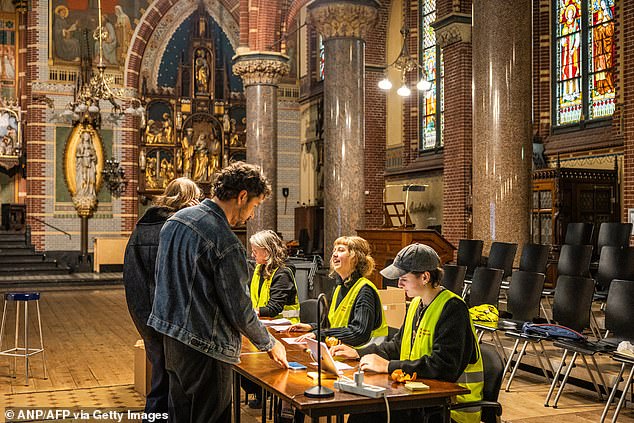
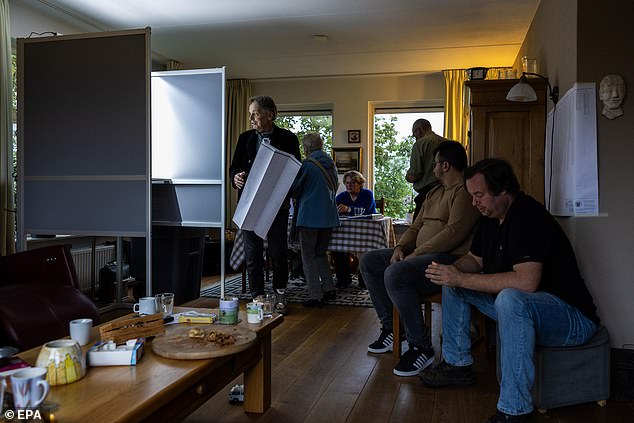
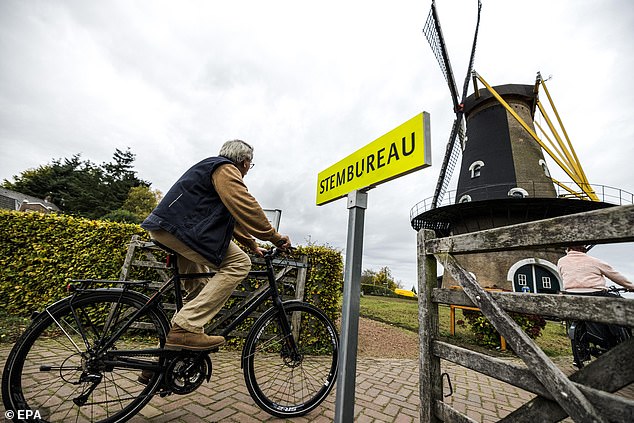
Voting occurred in various locations, including city halls, schools, historic windmills, churches, a zoo, a former prison in Arnhem, and the iconic Anne Frank House museum in Amsterdam. In Delft, a group of students voted together, considering it a house tradition. Meanwhile, in Amsterdam, the Red Light Jazz Radio Station opened its doors for voters, encouraging them to participate in the democratic process.
The Dutch proportional representation system ensures that no single party can achieve a majority, meaning coalition negotiations will likely begin soon to determine the next governing coalition.
Rob Jetten, leader of the center-left D66 party, emphasized his party’s commitment to managing migration while supporting asylum-seekers fleeing conflict. He challenged Wilders, urging voters to choose positive energy over “grumpy hatred” for the future.
Wilders, however, maintains that he has not failed to meet his 2023 campaign promises, blaming other parties for blocking his initiatives.