New Leadership in Nigeria’s Armed Forces: A Vision for Security Reform
Nigeria’s new Service Chiefs have taken a bold step towards redefining the nation’s security landscape. On Wednesday, they pledged to implement sweeping reforms aimed at modernizing the country’s military and addressing deep-rooted challenges. Their commitment includes strengthening foreign partnerships, investing in local arms production, enhancing inter-agency cooperation, and improving the welfare of military personnel.
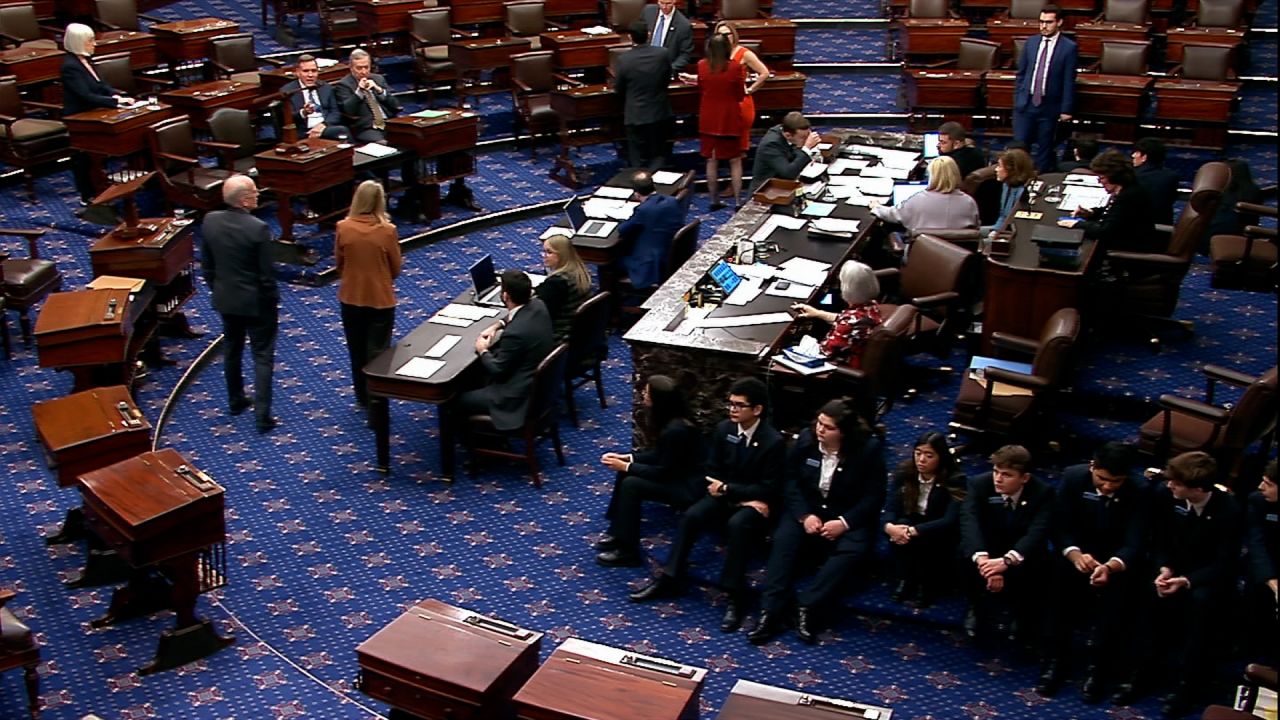
The announcement came during a rigorous screening process conducted by the Senate and House of Representatives. This event was marked by intense questioning, closed-door sessions, and clear commitments from the nominees to transform the armed forces for contemporary warfare and long-term internal security.
Strategic Vision for National Security
The Chief of Defence Staff, Lt. Gen. Olufemi Oluyede, emphasized his readiness to tackle the complex demands of national security. He highlighted his years of experience in this field, stating that it has prepared him for the critical role ahead. Oluyede outlined several key areas of focus:
- Military Modernization: He called for the establishment of a local military-industrial complex to reduce reliance on foreign arms procurement, which he described as expensive and unsustainable.
- Personnel Welfare: Oluyede promised to prioritize the well-being of military personnel and their families, ensuring they are adequately supported.
- Inter-Agency Collaboration: He stressed the importance of working closely with the legislature to secure necessary funding and resources.
- Intelligence-Led Operations: The Defence Chief emphasized the need for improved intelligence gathering and restructuring of the police force to better handle internal security threats.
Oluyede also warned about emerging threats such as cyber warfare and misinformation, urging the military to adopt a proactive approach to these challenges.
Fresh Energy and Operational Excellence
The Chief of Army Staff, Maj. Gen. Waidi Shuaibu, pledged to bring renewed energy and discipline to military operations. His leadership will focus on improving intelligence gathering, strengthening manpower, and ensuring troops are well-prepared for future missions.
Shuaibu highlighted past successes, including the rescue of 15 Chibok girls from terrorist enclaves and the neutralization of several terrorist commanders. Senator Isah Jubrin praised Shuaibu, describing him as “humble and serious-minded” and expressing confidence in his ability to lead Nigeria out of its current security challenges.
Maritime Surveillance and Technological Advancement
Rear Admiral Idi Abas, the Chief of Naval Staff, committed to deploying advanced technology, including drones, to enhance maritime surveillance. This initiative aims to combat piracy, oil theft, and kidnapping in coastal regions. Abas also emphasized the importance of deradicalization programs for repentant insurgents while advocating for sensitivity toward victims’ families.
Innovation and Discipline in the Air Force
Air Vice Marshal Kennedy Aneke, the Chief of Air Staff, emphasized innovation and discipline as the cornerstones of his leadership. He vowed to fight terrorism and insurgency aggressively, using the Super Tucano aircraft procured from the United States effectively. Aneke assured that these assets are fully operational and deployed in the North-East and North-West regions.
Legislative Oversight and Public Confidence
President of the Senate, Godswill Akpabio, underscored the constitutional duty of the Senate to ensure that only competent and patriotic officers are entrusted with national security. He praised the thoroughness of the screening process and expressed hope that the new leaders would restore public confidence in the nation’s security institutions.
In the House, Chairman of the Defence Committee, Babajimi Benson, reiterated the importance of transparency and accountability in the screening process. He encouraged the nominees to present practical ideas that contribute to national peace and stability.
Presidential Recognition and Future Challenges
President Bola Tinubu is set to decorate the new Service Chiefs at the Council Chamber of the Presidential Villa in Abuja. This ceremony follows their confirmation by both chambers of the National Assembly. Tinubu had previously met the officers in a closed-door session, charging them to take decisive action against insurgents and bandits in the North.
The recent reshuffle in the military hierarchy was announced as part of efforts to strengthen the national security architecture. The President’s Special Adviser on Media and Public Communication, Sunday Dare, expressed appreciation for the outgoing service chiefs and urged the new leaders to justify the trust placed in them through professionalism and unity.
Addressing Allegations and Ensuring Stability
Following reports of a potential coup plot, the Defence Headquarters dismissed these claims as “baseless” and “intended to cause unnecessary tension.” Director of Defence Information, Brig. Gen. Tukur Gusau, clarified that the reported arrests of 16 officers were related to indiscipline, not an attempted coup. Additionally, the cancellation of the October 1 military parade was described as purely administrative.
With legislative confirmation complete, the focus now shifts to the new military high command. They face the monumental task of restoring peace and stability to a nation grappling with years of insurgency, banditry, and rising insecurity.