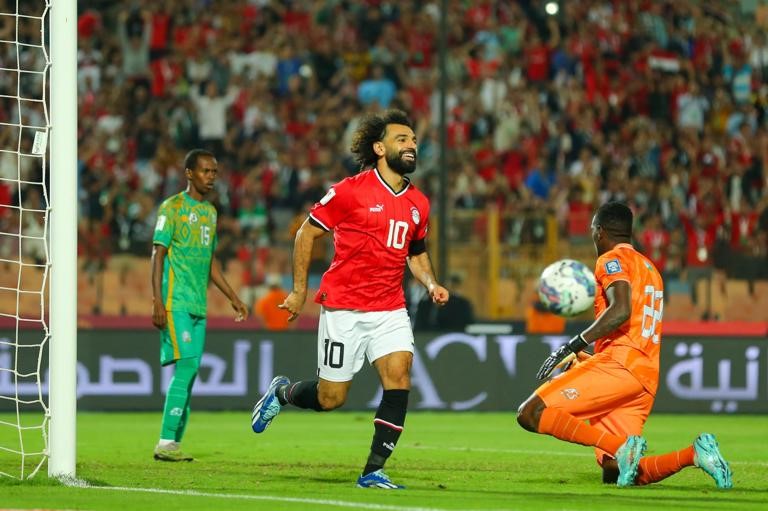
The Global Language of Football
The term “football” is more than just a name—it’s a shared identity that unites billions of people across the globe. Yet, in the United States, this beloved sport is often referred to as “soccer,” creating a linguistic divide that sets the country apart from the rest of the world.
A Historical Perspective
The word “soccer” didn’t originate in the United States; it came from England. In the late 19th century, British university students nicknamed Association Football “assoc,” which eventually evolved into “soccer.” Meanwhile, “rugby football” became “rugger.” While the British abandoned the term “soccer” in favor of “football,” Americans clung to it. By the time American football became the dominant contact sport in the U.S., the term “football” was already claimed, leaving “soccer” as the outsider term.
This historical quirk has led to a cultural disconnect. In countries like Brazil, Spain, France, and Nigeria, the term “futebol,” “fútbol,” “football,” and “futbolu” all refer to the same game—kicking a ball with your feet. However, in the U.S., “football” refers to a completely different sport involving helmets, pads, and touchdowns.
The Global Game
Football, as the rest of the world calls it, is more than just a sport—it’s a global language. Every four years, during the FIFA World Cup, billions of eyes are drawn to the game, where legends are made and nations come alive. The sport transcends borders, bringing together people from all walks of life.
Even though the 2025 FIFA Club World Cup will be hosted in the United States, the official match ball used in the tournament has no real American DNA. The ball is manufactured by Adidas, a German company with a proud European heritage. Adidas has been FIFA’s official supplier for decades, crafting every iconic World Cup and Club World Cup ball we’ve seen.
For the 2025 tournament, Adidas unveiled a new design in January 2025, celebrating the host nation with pearlescent tones, jagged block shapes, and deconstructed stars and stripes. It’s a nod to the U.S.—but the ball itself? It’s made halfway across the world.
A Global Production Chain
Adidas manufactures its footballs primarily in Sialkot, Pakistan, a city that produces around 70 percent of the world’s footballs. Some footballs, particularly replicas, are also produced in China and Indonesia under Adidas subcontractors. Forward Sports, a Pakistani company, has long partnered with Adidas to produce match balls like Al Rihla, used in the 2022 World Cup.
This global production chain illustrates something profound: football is a global institution built on cooperation, craft, and shared identity. It’s not just about the players on the pitch—it’s about the interconnected world that supports it.
A Cultural Disconnect
When Americans call it “soccer,” it feels almost like a refusal to join that global conversation. Sure, the word itself isn’t harmful, but it creates a small linguistic barrier between the U.S. and the rest of the world. And for a sport that thrives on unity, that barrier matters.
Imagine a young fan from Nigeria, Argentina, or Japan talking to their American friend about football. The conversation immediately derails: “Wait, do you mean soccer or football?” It’s a small but constant reminder that while football unites billions, the U.S. still stands linguistically apart.
A Time to Realign
As the United States prepares to host major football events—the FIFA World Cup in 2026—it might be time for a cultural reset. These tournaments will bring global football culture directly to America’s doorstep. Fans from every continent will pour into American stadiums wearing scarves, waving flags, and chanting songs that echo “football” pride.
This moment presents a chance for the U.S. to realign with the rest of the world—not just in naming, but in spirit. The sport is no longer a foreign novelty in America—it’s growing fast. Major League Soccer (MLS) teams now attract international talent, and youth participation continues to rise. The U.S. Women’s National Team is a global powerhouse, commanding respect across continents.
So maybe, just maybe, it’s time to drop the “soccer” label and embrace the name the rest of the world already loves—football. It’s not about semantics—it’s about belonging to something bigger than national borders.
It’s More Than Just a Word
Words shape how we see the world. When Americans call it “soccer,” it keeps the sport at arm’s length, as if it’s still foreign. But when you say “football,” you’re part of a shared global heartbeat. You’re speaking the same language as billions of fans who live and breathe the beautiful game.
Sure, change won’t happen overnight. “Soccer” is deeply ingrained in American culture, and many will argue that the distinction is harmless. But there’s something poetic about the idea of America—one of the world’s most influential nations—finally aligning with the rest of the globe on this one.
Because the truth is, whether you’re in London, Lagos, Lahore, or Los Angeles, when the whistle blows and that Adidas ball starts rolling, the game is the same. Eleven players. Ninety minutes. One goal.
And that, my friends, is football.


