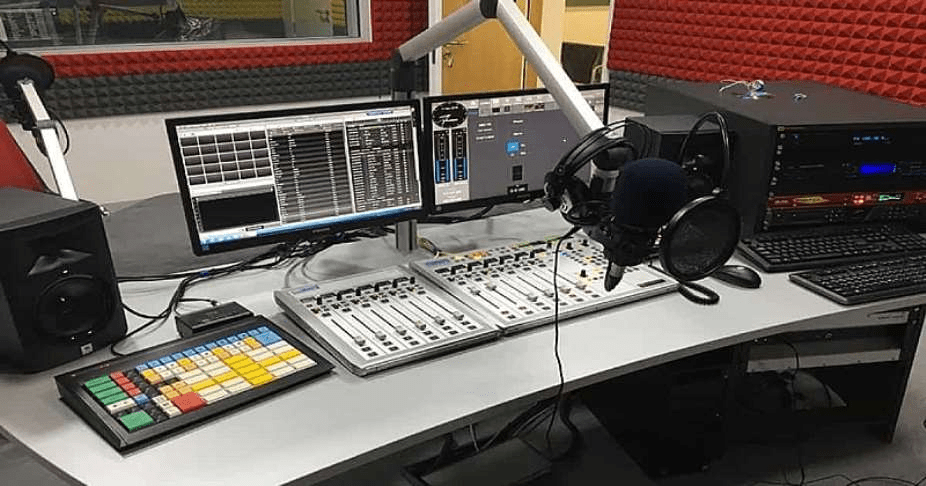
The Evolution of Ghana’s Radio Landscape
Ghana’s radio industry has undergone a remarkable transformation, evolving from a state-controlled system to a dynamic and diverse sector. This shift has not only enriched the media landscape but also empowered citizens with access to information, education, and civic engagement. Today, radio is more than just a source of entertainment—it plays a crucial role in shaping public discourse and fostering democratic values.
According to the National Communications Authority (NCA), by the end of 2024, there were 805 authorized FM broadcasting stations in Ghana, with 549 currently operational. These include 31 public stations, 5 foreign public outlets such as the BBC and RFI, 161 community stations, 25 campus stations, and an impressive 583 commercial stations. This proliferation highlights the growing importance of radio in the country’s communication ecosystem.
However, the distribution of these stations is uneven. The Greater Accra and Ashanti regions have the highest concentration of active radio stations, while coastal and southern regions like Western, Eastern, Central, and Volta also show significant numbers. In contrast, northern regions and some other areas have relatively fewer stations, indicating disparities in access to this vital medium.
The Role of Radio in Ghanaian Society
Radio remains one of the most accessible channels for news, education, and civic dialogue in Ghana. It continues to bridge literacy gaps, especially in rural areas, where it gives voice to the marginalized and connects communities that mainstream digital platforms have yet to reach. More importantly, radio has been central to Ghana’s democratic journey, amplifying public debate, holding leaders accountable, and protecting citizens’ rights to free expression.
Despite its significance, the rapid expansion of radio stations has raised concerns about professionalism within the industry. While freedom of expression is protected, ethical responsibility is often overlooked. Issues of accuracy, balance, unbiased reporting, and fairness are sometimes sacrificed in the pursuit of higher ratings. This trend risks moving radio away from its original mandate of informing, educating, and entertaining the public.
Concerns About Professionalism and Standards
A senior broadcast journalist emphasized the need for discipline on air. “Every broadcast must be scripted, researched, and carefully executed. Radio is not a space for guesswork and false information. The audience depends on us, and everything said must be factual, accurate, and verifiable,” he said. He stressed the importance of timeliness and the interactive nature of radio.
Teye Kitcher, a veteran broadcast journalist with over three decades of experience, noted that while technology has made equipment more compact and programming more flexible, the lack of formal training and continuous professional development has weakened standards. “Many presenters cannot properly read or write the very local languages they broadcast in,” he said. He recommended that presenters at local stations take courses at the Ghana School of Languages to improve their proficiency.
Kojo Mensah, another experienced journalist, lamented that radio in Ghana is “terrible.” He pointed out that many presenters today create their own rules of ethics, often bending them to serve the interests of political paymasters. “Their sponsors, who are usually politicians, push particular ideologies; and even when presenters know what they are doing is wrong, they still go ahead to defend it,” he said.
Mensah questioned why Ghana, relative to its size and population, has more radio stations than almost anywhere else in the world. “It certainly cannot be because of commercial viability, because we don’t even have enough businesses to sustain them,” he said. He argued that politics has become the main financier of radio stations, which undermines professionalism.
The Decline of Structured Programming
Esther, another broadcast journalist, shared similar concerns. While she praised the innovations brought by technology, she lamented the decline in structured programming. “Too many stations follow a ‘mix-and-say’ approach. There is no plan, no expertise is invited to provide real insight—just spontaneous chatter,” she said. She also criticized the haphazard mixing of English and local languages by presenters and callers.
Another veteran summed up the issue bluntly: “Radio in our time was marvelous and very professional. Everything was scripted and orderly. The host carries you along, and even though we all listened together, each of us came away with our own reflections. Today, it is about personalities, propaganda, and raw delivery without context.”
The Need for Regulation and Accountability
Jojo, a broadcast journalist, observed that while English-language stations generally adhere to professional and ethical standards, many local-language stations neglect these principles. He expressed concern about the dilution of indigenous languages and the use of unnecessary jargon. He also questioned the delay in passing the Broadcasting Bill and the lack of enforcement of delay broadcast machines, which could help curb hate speech and unprofessional language.
The erosion of standards has broader implications. Irresponsible broadcasting—marked by unverified allegations, sensationalism, and hate speech—poses a direct threat to Ghana’s democracy. When left unchecked, it undermines public trust and weakens the very freedoms radio was meant to safeguard.
Moving Forward
To address these challenges, stronger regulation is needed. Stakeholders such as the National Media Commission (NMC), the Independent Broadcasters Association of Ghana (GIBA), and the Ghana Journalists Association (GJA) must work together to pressure the government to pass the long-delayed Broadcasting Bill. Only then can radio’s future be secured—not as a source of noise and division, but as a guardian of truth, accountability, and nation-building.
Radio remains one of Ghana’s greatest democratic assets. Its continued relevance will depend on whether practitioners can balance freedom with responsibility and whether professionalism can once again become the hallmark of broadcasting.


