Samia Suluhu Hassan’s New Mandate and the Challenges Ahead
Samia Suluhu Hassan is stepping into her first elected mandate, but this victory comes with a complex set of challenges. She must address the legitimacy of her leadership, rectify past injustices, manage the growing discontent among Gen Z, and navigate the internal unrest within the ruling Chama Cha Mapinduzi (CCM) party. Additionally, she faces the pressing need to stabilize and grow the economy.
The Independent National Electoral Commission (Inec) is expected to officially declare Samia as the winner of the presidential contest, which included 16 other candidates. Preliminary results showed her securing a strong lead in several constituencies. Meanwhile, Hussein Mwinyi, the president of the semi-autonomous Zanzibar archipelago from the CCM, was re-elected with over 78% of the vote.
Despite expectations of her win, the low voter turnout raised concerns, particularly after major opposition parties like ACT-Wazalendo and Chadema were barred from participating. This situation has led to widespread protests across the country, testing the resilience of Tanzanian security agencies.
Protests and International Concerns
According to the UN human rights office, at least 10 people were killed by security forces during the protests. The spokesperson for the UN human rights office, Seif Magango, expressed alarm over the violence, citing credible sources. Amnesty International also voiced concern, warning that the risk of further escalation is high. They urged the police to exercise restraint and conduct independent investigations into the use of lethal force against protesters.
Tanzania’s security agencies have shown signs of fear regarding the potential for uncontrolled protests. The head of the military, Gen Jacob John Mkunda, issued a statement condemning the protests and asserting that the army had controlled the situation. However, protesters continued to defy these warnings.
Jervin Naidoo, a political economist at Oxford Economics, noted that the heavy-handed response by security forces was driven by government paranoia and a desire to prevent any opposition openings. He highlighted recent regional trends where incumbent parties faced electoral setbacks in countries like Namibia, South Africa, and Botswana.
Economic Implications and Travel Advisories
In response to the unrest, police imposed a dusk-to-dawn curfew and ordered civil servants to work from home. Naidoo advised businesses and investors to remain vigilant, as the post-election period could pose economic challenges.
Tensions had been building for months, starting with the exclusion of Luhaga Mpina, the presidential contender of ACT-Wazalendo, and the detention of Tundu Lissu, leader of the largest opposition party, Chadema. Western nations, including the UK and US, issued travel advisories, urging their citizens to avoid travel to Tanzania.
European Parliament members condemned the election process, calling it unfair and citing the arrest of opposition leaders and suppression of civic space. They emphasized the importance of free elections and the need for the release of Mr. Lissu.
Political Landscape and Generational Divide
President Samia, coming from Zanzibar, will need to work hard to gain acceptance, especially on the Mainland. She may have to compromise with her harshest critics in the opposition to achieve stability.
Economically, the Tanzanian shilling has remained relatively stable, though it has slightly depreciated. The Bank of Tanzania intervened to stabilize the currency. Economists believe that Samia will prioritize strengthening human capital, given the demographic transition in the country.
The current uncertainty is likely to impact investment and tourism, a key revenue earner. Neighboring countries, such as Kenya, are experiencing a drop in cross-border movement due to the turbulence in Tanzania.
Border Tensions and Internet Shutdowns
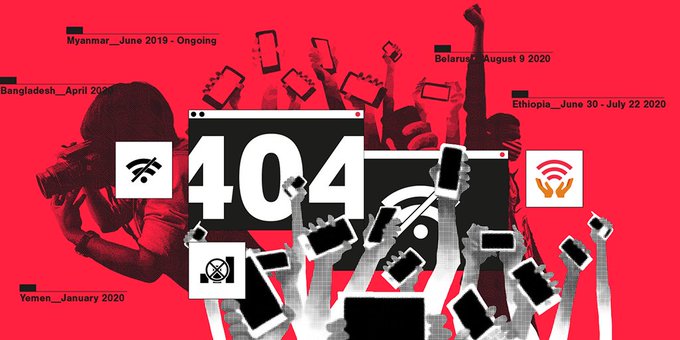
At the Namanga one-stop border post, an internet shutdown paralyzed operations. Hundreds of Tanzanian protesters crossed into Kenya, lighting bonfires and facing teargas from Tanzanian police. Kenyan police were deployed to restore order.
When Samia took over in March 2021, she was praised for relaxing some rules, including lifting a ban on political rallies and inviting Mr. Lissu back from exile. However, she later rolled back political freedoms.
Rights watchdogs now view the recent election as a sham, accusing the government of continuing repressive practices. Tanzania rejected these assessments, claiming they followed universal standards for civil rights protection.
Future Challenges and Reform Demands
Samia faces the challenge of deciding whether to purge the CCM of critics or compromise to tame further chaos. Past agreements on constitutional review have been a point of contention, with critics arguing that reforms could weaken the party’s influence.
The calls for legal and governance reforms are growing louder, fueled by a Gen Z generation eager to “retake” their country. As Samia navigates these challenges, the path forward remains uncertain, with significant implications for Tanzania’s future.


