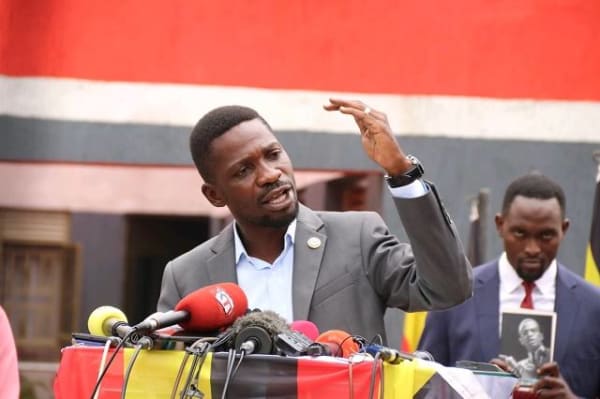
The Karimojong Face a Crucial Election Choice
The Karimojong people, residents of the Karamoja region in Uganda, are at a crossroads as they prepare for the upcoming January 15, 2025 elections. Their rugged landscapes and modest homes have become the stage for political activity as leaders from Kampala vie for their support.
President Yoweri Museveni recently concluded his campaign efforts in the area, just as his main opponent, Robert Kyagulanyi—known as Bobi Wine—arrived to begin his own outreach. Karamoja, one of Uganda’s most underdeveloped regions, is marked by extreme poverty, with 74% of its population living below the poverty line, far exceeding the national average of 16%. With a population of around 1.2 million, nearly 937,000 people struggle daily to meet basic needs.
Despite years of military operations aimed at disarming the region, Karamoja continues to face challenges like cattle raids and limited access to essential services. Schools are often empty, health centers are scarce, and malnutrition is widespread. Child marriages persist as a means of survival, while safe water remains a luxury.
Karamoja holds significant potential due to its rich mineral resources, including gold, marble, limestone, copper, rare earth elements, and phosphates. These resources could transform not only the region but also the entire country. President Museveni, who has visited Karamoja multiple times during his nearly 40-year presidency, has long emphasized the need for development in the area. His wife has served as the minister of Karamoja affairs, part of efforts to improve living standards.
However, the people of Karamoja remain skeptical about the promises made by the government. While Museveni highlights stability and progress, many question where the promised benefits are. For instance, previous pledges of iron sheets for the vulnerable were misused, with some officials distributing them for personal projects or resale. A local voter in Kotido expressed frustration: “We hear of billions allocated to Karamoja, but the results do not reach us.”
Museveni has pledged to change this narrative, promising new infrastructure such as dams and valley tanks to combat drought, job creation through livestock processing, and stronger security along borders with Kenya and South Sudan. He also emphasized that mineral revenues should directly benefit the people of Karamoja, stating, “No one should get rich while Karamoja remains poor.” This message appears to target those within the government who have profited from the region’s poverty.
On the other hand, Robert Kyagulanyi, leader of the National Unity Platform (NUP), is capitalizing on the frustrations of the people. He criticizes the increasing poverty and ongoing cattle raids, despite decades of disarmament efforts. Kyagulanyi’s campaign focuses on community policing, fair royalties for mineral wealth, and developing industries such as meat, milk, and leather processing. He also emphasizes leveraging Kidepo and cultural heritage to create opportunities for the youth.
Kyagulanyi’s approach resonates with the people, who desire leadership that listens rather than makes empty promises. His symbolic gestures, such as laying wreaths on the graves of victims of cattle rustling, highlight his connection to the region’s struggles. In Akokoro village, he paid tribute to Apollo Milton Obote, the founding president of Uganda, a move that aims to tap into historical sentiments and gain political support.
Obote remains a polarizing figure in Ugandan history. While celebrated in Lango as an independence hero, he is criticized in Buganda for abolishing the federal system and exiling the king. Kyagulanyi’s visit to Obote’s tomb underscores the complex legacy of Uganda’s past and the ongoing political dynamics in the region.
As the election approaches, the people of Karamoja will decide whether to continue supporting the status quo or embrace a new vision for their future. The outcome of this vote will shape the trajectory of Karamoja and its role in Uganda’s broader political landscape.


