A Tragic Skydiving Incident and the Legal Battle That Follows
A young woman who suffered life-changing injuries after a skydiving accident is now seeking £15 million in compensation, alleging that medical professionals failed to properly assess her mental health before clearing her for the activity. The case has sparked a legal battle involving the organizers of the jump and a university GP.
Miriam Barker, now 29, was a third-year student at Southampton University studying history and philosophy when she decided to take part in a parachute jump organized by the university’s Skydiving Society. Her friend convinced her to join, and she completed her first jump in April 2018. Despite her parachute opening correctly, she landed heavily, flipping upside down and fracturing her neck and back upon impact. The incident occurred at Dunkeswell Airfield in Honiton, Devon, and left Ms. Barker tetraplegic due to severe spinal damage.
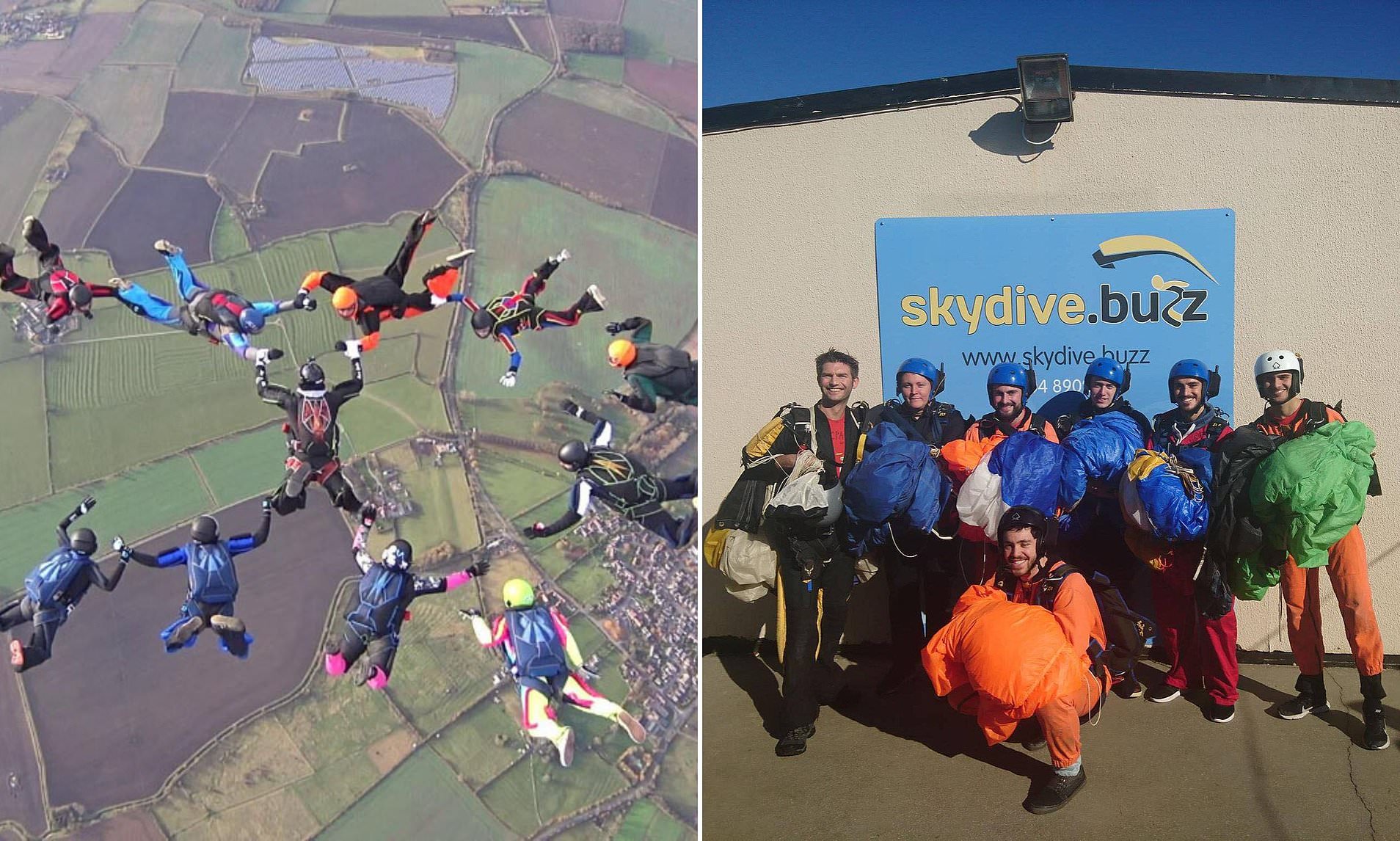
Ms. Barker, who was just 21 at the time, is now reliant on a wheelchair and is seeking compensation for the long-term effects of the accident on her health. She has filed a lawsuit against the jump organizers, Skydive Buzz, and Dr. Aneela Hafiz, a university GP, claiming they wrongly certified her as medically fit to skydive.
Both parties have denied any blame for the accident and are currently fighting the case in the High Court in London. According to court documents, Ms. Barker had been seeing a counsellor and was about to start cognitive behavioral therapy when she joined the skydiving society. Her lawyers argue that Dr. Hafiz should not have signed her off as mentally fit, suggesting that her history of depression and anxiety should have raised concerns about her ability to handle the stress of a skydive.
The GP signed off on her as presenting “no extra risk,” but Ms. Barker’s legal team claims this was an error. They argue that her mental health condition impaired her ability to concentrate and make timely decisions during the jump. As a result, they claim, the accident was more likely to occur.
In addition to the medical concerns, Ms. Barker’s legal team also alleges that the pre-jump training provided by Skydive Buzz was inadequate. The training included exercises such as jumping off a chair and rolling on the ground to simulate a landing. However, her lawyers say that using a chair was insufficient for simulating the sensation of forward momentum during landing. They suggest that a ramp would have been a better alternative.
Furthermore, they claim that instructors failed to properly “talk her down” by radio contact, which could have warned her in time about the need to flare her parachute. This failure, they argue, contributed to the heavy landing that caused her injuries.

The impact of the fall left Ms. Barker with ongoing pain and severe mobility issues. She can only take a few steps with the help of a Zimmer frame and is unable to work. Her legal team says her career prospects have been severely compromised.
Skydive Buzz denies liability, stating that it provided comprehensive training and supervision on the day of the jump. The company defends its use of a chair for training as a reasonable method to teach students safe landing techniques. It also claims that trainees received full training in using radios and that an instructor advised Ms. Barker by radio during her descent.

Dr. Hafiz, on the other hand, acknowledges that she should have assessed the risk level as “acceptable extra risk if instructor is informed.” However, her legal team points out that she signed the form two months before the jump and that Ms. Barker did not disclose her full medical history to Skydive Buzz at the time.
In her written defense, Dr. Hafiz claims she was justified in passing Ms. Barker as fit to jump, as she seemed “markedly improved” and “stable.” Both the GP and Skydive Buzz dispute liability, with the company alternatively suggesting that any blame should be placed on Dr. Hafiz.
The case recently went through a hearing to determine what evidence will be presented at a full trial later this year. The outcome of the case remains uncertain, but it highlights the importance of thorough medical assessments and adequate training in high-risk activities.


