Understanding the Winter Health Challenge
As winter approaches, the UK is facing a surge in seasonal illnesses. Coughs, sniffles, and wheezing are becoming common in offices, schools, and nurseries across the country. NHS data indicates a rise in rhinovirus (common cold), flu infections, and potential re-emergence of RSV. Additionally, a new variant of Covid has been reported. This combination of illnesses has led to what some experts call a “quademic” – a convergence of four different viral threats.
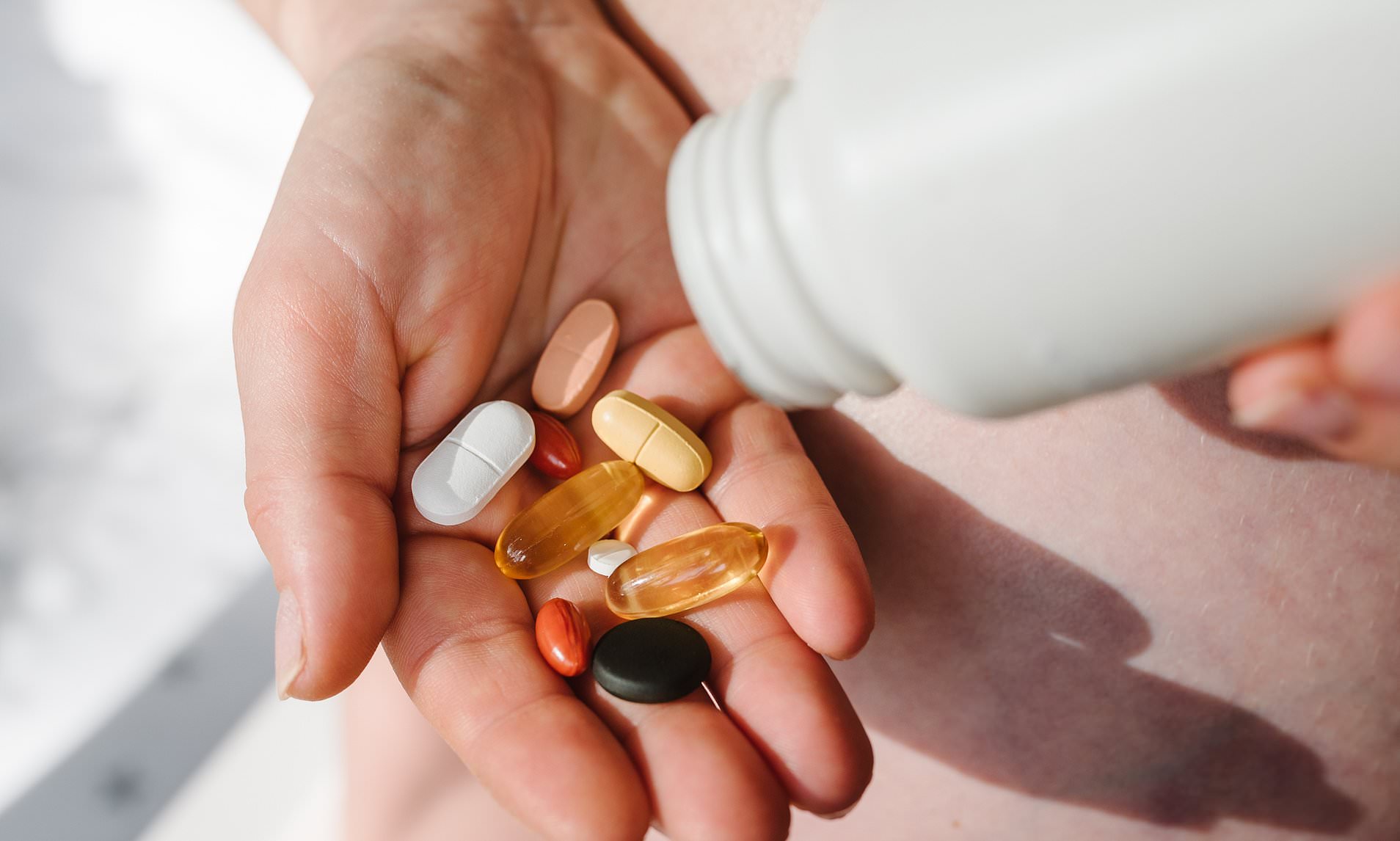
To combat this, experts suggest that daily immunity-boosting supplements could be a valuable tool. Dr Donald Grant, a GP and Senior Clinical Advisor at The Independent Pharmacy, emphasizes that supplements can provide a much-needed boost against autumn and winter illnesses such as colds, flu, or norovirus. He states that by prioritizing the correct supplements, individuals can ensure their immune systems are as strong as possible.
Despite the potential benefits of supplements, many Britons still do not take them. A survey by the Health And Food Supplements Information Service revealed that while 70% of respondents recognized the importance of vitamin D during winter, only 26% actually took it. The government recommends that everyone take vitamin D during autumn and winter, as it is vital for bodily functions, bone health, and immune support.
The survey also found that most people were deficient in vitamin A, folate (B9), calcium, selenium, and omega-3 fatty acids. With this in mind, here are the supplements recommended by Dr Grant and other experts for the winter season.
Vitamin C: A Powerful Antioxidant
Vitamin C is known for its antioxidant properties, which help protect the body’s cells when fighting a virus. The NHS recommends adults aged 19 to 64 get 40mg of vitamin C per day. While it’s possible to get enough from diet alone through foods like citrus fruits, berries, and melons, Dr Grant highlights the importance of supplementation. He explains that since our bodies cannot produce vitamin C, it’s crucial to maintain a substantial intake for overall well-being.
Zinc: Supporting Immune Function
Zinc plays a key role in supporting immune cell function, reducing inflammation, and helping the body fight infections. It is primarily obtained from animal-based sources such as dairy products, eggs, shellfish, and meat. The NHS suggests adult men consume 9.5mg of zinc daily, while women should aim for 7mg. Dr Grant notes that zinc is another essential nutrient for the immune system, particularly during colder months. An expert from the Health And Food Supplements Information Service suggests taking zinc at the start of a cold to reduce severity and duration.

Magnesium: Essential for Overall Wellbeing
Magnesium is involved in over 300 bodily functions and is crucial for maintaining a healthy immune system. It is an essential mineral that our bodies cannot produce directly, so it must be obtained from diet or supplements. The NHS recommends women aged 19 to 64 consume around 270mg of magnesium daily, with men needing about 300mg. Dr Grant recommends magnesium supplements during autumn to support sleep, mood, and skin health, especially during darker months when circadian rhythms can be disrupted.
Omega 3 Fatty Acids: Supporting Heart and Eye Health
Omega 3 fatty acids consist of EPA and DHA, each playing distinct roles in the body. EPA is linked to heart health and reducing inflammation, while DHA supports vision and brain function. The NHS advises adults to consume 450-500mg of combined EPA and DHA daily through food sources like oily fish and plant-based options. Research shows that many Britons are deficient in omega 3, making supplementation important during winter months. Dr Derbyshire highlights that omega 3 has anti-inflammatory properties and is vital for eye health, particularly for maintaining moisture in the eyes.

Probiotics: Enhancing Gut Health
Probiotics have gained popularity, with Britons spending £1 billion annually on these supplements. They contain live microorganisms that support digestion and gut health. The gut microbiome plays a direct role in immune function, and a healthy gut is essential for overall immunity. Dr Derbyshire suggests that fermented foods and probiotics can help maintain a balanced gut microbiome.


Related posts:

Fiction park: He was the best in class. He still wasn’t good enough

Gagan Thapa takes oath as Congress president, vows to regain public trust

Inside knowledge that has locals gripped by fear after gran’s body found decomposing in cattle dip

New property purchase disclosure rule in Japan sparks fears it may curb foreign investment

Dino-mite treasures: inside Singapore’s Fort Knox storing playthings of ultra-rich