The Future of the Kitchen: A Vision for 2075
The kitchen, once a simple space for cooking and meal preparation, is set to transform dramatically over the next 50 years. According to new research, Gen Z’s preferences are driving a shift away from traditional, bulky appliances like the kettle and large fridges. Experts predict that by 2075, the kitchen will be a multifunctional hub reflecting sustainability, wellness, and digital connectivity.
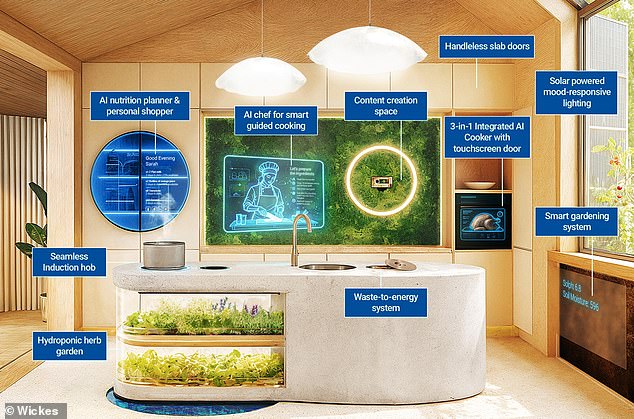
Professor Deborah Sugg Ryan, a design historian at the University of Portsmouth, has collaborated with home retailer Wickes to envision the “kitchen of 2075.” This futuristic space includes AI chefs, built-in TikTok studios, solar panels, and indoor hydroponic gardens—where crops grow without soil. The kitchen will no longer just be a place for cooking; it will serve as a digital and sustainable living space.
Key Changes in Kitchen Appliances
Wickes commissioned a survey of 2,011 adults, including 1,010 aged between 18 and 27. The results reveal that 24% of Gen Z respondents believe the kettle will be obsolete by 2075, while 20% think bulky fridges and freezers will disappear. These appliances will be replaced by sleek, multi-functional units hidden behind handleless cabinetry that open via touch or voice command.
In this future kitchen, hot water will flow instantly from touch-enabled taps, eliminating the need to wait for a kettle to boil. Large ovens and microwaves may also become obsolete, with 23% of Gen Z predicting they will no longer exist. Instead, kitchens will focus on sustainability, renewable energy, and the Swedish ‘Lagom’ philosophy of minimal clutter, while maintaining the warmth and functionality of a family home.
Features of the Kitchen of 2075
The kitchen of 2075 will feature:
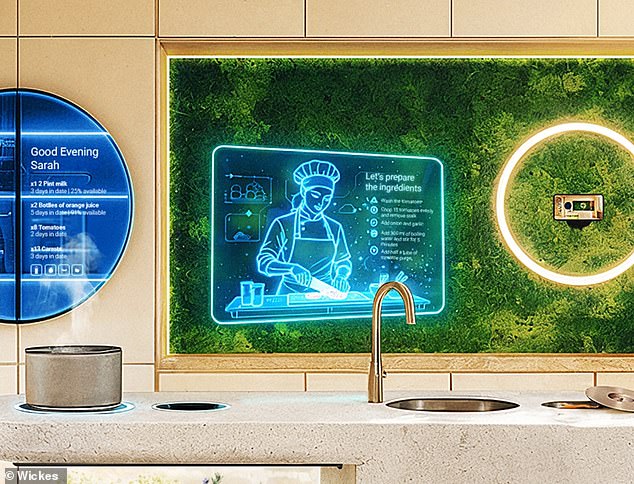
- AI Chef and Nutrition Planner: A holographic or ultra-thin display will guide users through recipes and provide personalized meal plans.
- Hydroponic Garden: Fresh herbs and greens grown in a self-contained, soil-free system.
- Zero Waste System: A discreet waste-to-energy chute integrated into the worktop.
- Appliance ‘Garage’: Clutter-free countertops with hidden multi-use appliances.
- Content Creation Zone: A built-in ring light and camera mount for filming recipes or hosting live streams.
- Mood Responsive Lighting: Customizable LED accents to suit cooking, dining, or entertaining.
A wall-embedded camera will film cooking videos for TikTok, replacing portable smartphone holders. An AI-powered cooker will offer air fryer and convection options, ensuring perfect meals every time. A hydroponic garden under the main counter will store favorite herbs in controlled conditions. A waste-to-energy system will convert organic scraps into heat and electricity.
Sustainability and Digital Integration
Solar-powered mood-responsive lighting will adapt to different activities. While some familiar elements like the kitchen sink, taps, and induction hobs may remain, the overall look will be unrecognizable to modern eyes. If robotics progress continues, some households could even have C-3PO-style robo butlers.
Dan Ferrari, head of kitchens at Wickes, said, “By 2075, the kitchen won’t just be where we cook—it will be the smartest room in the house.”
Emerging Technologies
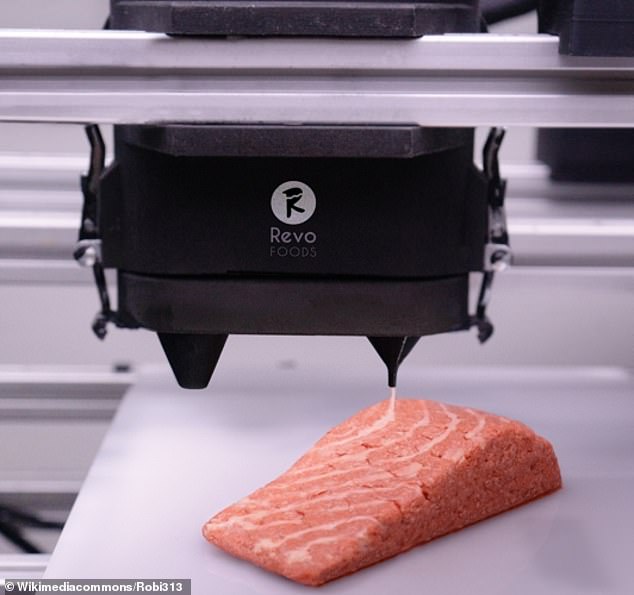
Some experts believe 3D printers will become the next popular kitchen appliance, generating the same excitement as air fryers today. 3D food printers can create dishes like pizza, pasta, burgers, and quiche by printing raw ingredients. Lynette Kucsma, co-founder of 3D food printing firm Natural Machines, predicts they will become common kitchen appliances by the 2030s.
Other research suggests that what we cook will change significantly to reduce carbon emissions. Dishes like cricket salad, lab-grown steaks, and plant-based meat balls may replace traditional favorites like burgers and steaks.
The Fate of Traditional British Dishes
Traditional British dishes such as pan haggerty, Glamorgan sausage, and shepherd’s pie may face extinction due to changing food trends and health concerns. Ninja, known for its air fryers, surveyed 2,000 people and studied online search trends to understand how food habits are evolving. The findings highlight which meals are still loved and which might soon become distant memories.