The Evolution of South Korea’s Population and Housing Census
The population and housing census is a critical tool for understanding the demographic and social landscape of a nation. Over the years, the questions asked in these surveys have evolved to reflect changing societal norms, technological advancements, and shifting priorities. From its inception in 1925 to the current 2025 census, this survey has undergone significant transformations, capturing the essence of South Korea’s development over the past century.
A Historical Perspective
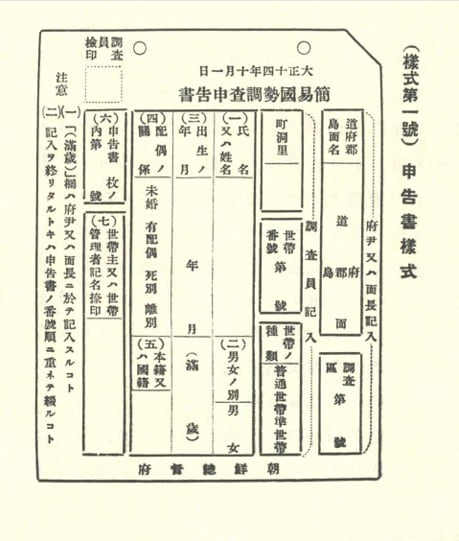
The first population survey in South Korea was conducted in 1925 by the Japanese Government-General of Korea under the name “Simplified National Census.” While it was initially intended for exploitation, it is now recognized as the first modern population census. This year marks the 100th anniversary of this milestone, highlighting the long-standing importance of census data in shaping national policies.
Over the decades, the census has expanded in scope and complexity. In the 1940s and 1950s, the survey reflected the trauma of war and invasion, asking about experiences such as forced labor during the Japanese occupation and physical disabilities after the Korean War. These questions provided insight into the challenges faced by the population during those tumultuous times.
In the 1960s, the census began including questions about housing, focusing on elements like tatami rooms, traditional stoves, and toilet types. This marked the foundation of the current census structure. By the 1970s, with rapid industrialization, the survey started assessing household economic status and wealth, reflecting the emergence of a middle class.
Changing Questions and Societal Shifts
The 2000s saw a focus on low birth rates, signaling a reversal of national population policy after about 40 years. In the 2005 survey, 93% of married women aged 15+ had no plans for additional children. The single-person household ratio increased from 4.2% in 1975 to 31.7% by 2020, indicating a shift in family dynamics.
This year’s census includes 55 items, a significant increase from the five questions asked in 1925. New questions address topics such as marriage plans, family care time, and cohabitation without marriage. These additions reflect changing social perceptions and the need for more precise policies, especially in areas like childcare support.
Challenges and Adaptations
Census takers face numerous challenges in gathering data, particularly with increasing sensitivity toward privacy and decreased face-to-face interactions since the COVID-19 pandemic. Some households are resistant, with some even throwing buckets or boxes and yelling. However, experienced census takers like Jeon Hyeonju, who has been participating for 20 years, often manage to calm down even the most reluctant respondents through patience and professionalism.
Urban areas tend to be more challenging due to large apartment complexes, while rural elders often welcome census takers with warmth and generosity. After completing surveys, some elders share food or set a table, expressing gratitude for the interaction.

Modernizing the Process
The census has also adapted to technological advancements. The 2020 survey included questions about pet ownership and reasons for single-person households. This year, the goal is to achieve “zero non-response,” ensuring that all households are counted either through administrative data or a sample survey.
Online and phone surveys are available for those who find in-person visits inconvenient. However, the census remains a complete count using registered data, with a 20% sample survey targeting about 10 million people. Refusals do not lead to additional samples, and those wishing to participate cannot join.
The Future of the Census
As South Korea continues to evolve, so too will the census. With new questions addressing contemporary issues like multicultural households and foreign language proficiency, the survey aims to provide a comprehensive picture of the nation’s diverse population. These changes ensure that the census remains relevant and effective in supporting national policies and planning.


