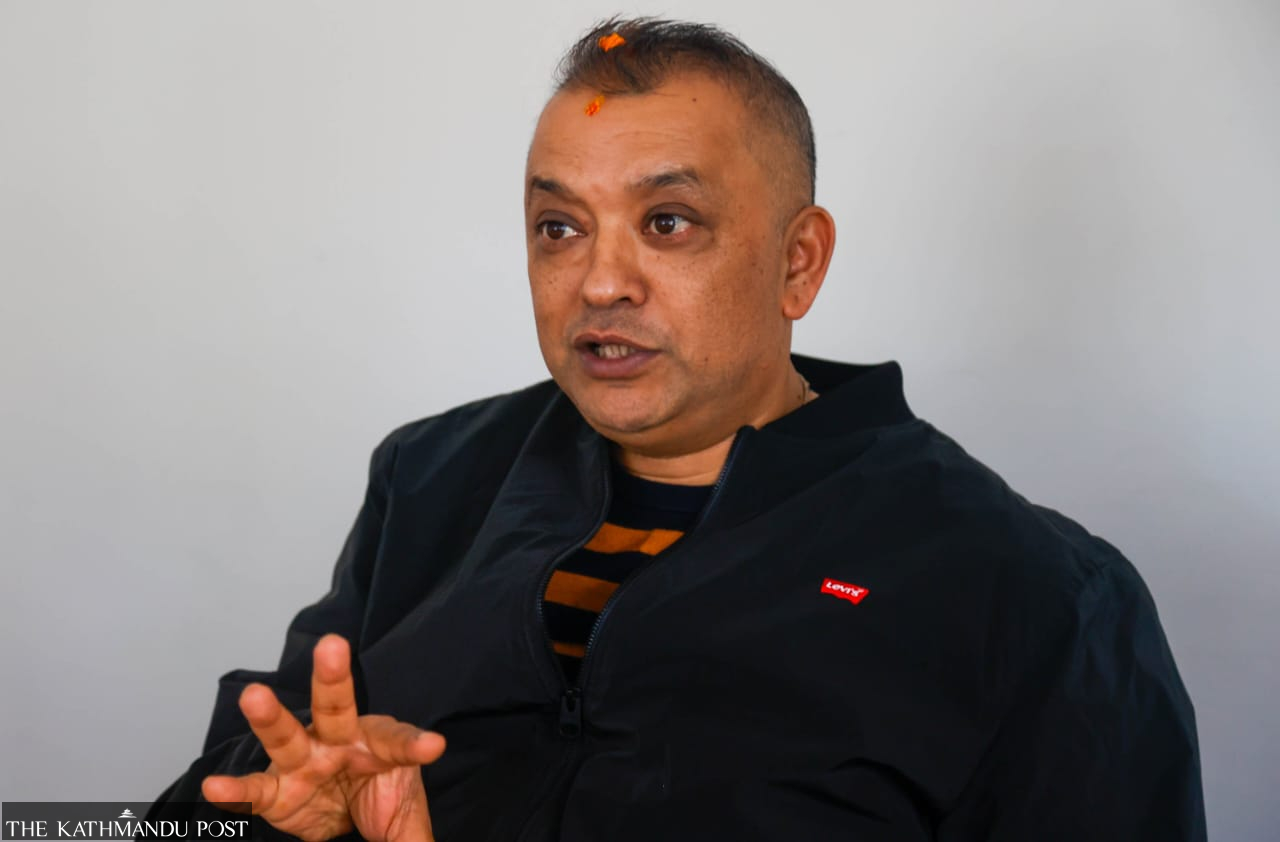
The Nepali Congress and the Gen Z Movement
In the wake of the Gen Z movement, the Nepali Congress has emerged as one of the few mainstream parties to acknowledge the movement’s influence, albeit in a limited capacity. However, the party has been caught in a web of indecision, with its central committee meeting stretching over 23 days. This impasse has sparked discussions about the party’s future, including its general convention, the legacy of the former Oli government, and the current interim government.
The Gen Z movement brought forth significant questions regarding corruption and governance, which have resonated across all mainstream political parties. While the Nepali Congress has recognized some shortcomings from the old guard, it is clear that a comprehensive discussion requires a convention. The party has planned to hold the convention within the next one and a half months, allowing time for coordination between Gen Z leaders, the interim government, and other political entities.
The Importance of the Convention
The timing of the convention is crucial. Holding it immediately would not be feasible due to ongoing infighting within the party. Some leaders still believe that the protests were not directed at them, while others are focused on the upcoming March elections. Political parties are essential in a parliamentary system, and delaying elections or deviating from public demands could harm both the party and national interests.
The Gen Z movement called for the replacement of the heads of the three main parties—Sher Bahdur Deuba, KP Oli, and Pushpa Kamal Dahal. If the other parties do not act, the Congress must take the initiative. Failing to change the party president in two months could lead to public dissatisfaction.
Addressing Concerns About Party Division
There have been concerns that the signatures collected from around 54% of convention representatives indicate an attempt to split the party. However, this is not the case. If there is strong support from the grassroots level, there is no need to form another party. The old guard may view younger leaders as outsiders, but the convention representatives were chosen by them, and they are aligned with the younger generation.
The party has issued an ultimatum: the convention must be held by mid-January. This is seen as a necessary step to bring about positive changes and ensure the party remains relevant.
Leadership and Election Tickets
The race for the next Congress president also involves the distribution of election tickets. It is widely known that party chiefs have been allocating tickets to their allies. However, the general secretaries, including Gagan Thapa and Bishwa Prakash Sharma, maintain that they still have a say in ticket distribution.
The party may need to request individuals to contest elections under the Congress banner. As for the possibility of angling for both the presidency and the prime ministerial candidate, Thapa argues that having different individuals for these roles is beneficial for reform. He believes that the younger generation should have the opportunity to lead, whether in the party or in parliament.
Expected Outcomes from the Convention
Thapa expects several outcomes from the convention. First, it will bring about a change in the top leadership of the Congress, breaking free from the stagnation of the old guard. Second, holding the convention is essential to avoid mistakes in the upcoming elections. Third, the convention will send a message to voters that a new chapter has begun for the party.
The party aims to introduce new policies to reform itself, stopping the politicization of public bodies and the politics of spoils-sharing. Thapa emphasizes the importance of changing public perception, as the party has transformed into an election machine.
Prolonged Central Committee Meeting
The central committee meeting has lasted over 23 days due to a shift in traditional practices. Unlike previous meetings, where the party president presents proposals supported by an overwhelming majority, the current situation involves an acting president and unclear proposals. This has led to multiple members presenting ideas without achieving majority support.
Social Media Ban and Freedom of Expression
The social media ban imposed by the Oli government was not the first of its kind. In 2019, the IT Bill introduced stringent rules for social media users, which was eventually shelved due to backlash. Thapa criticizes the approach of the bill, arguing that it aimed to silence critics rather than protect freedom of expression.
While the court’s verdict established the legality of the ban, its legitimacy was questionable. Thapa emphasizes that in a democracy, freedom of expression should not be undermined.
Interim Government and Security Agencies
The interim government has formed an inquiry panel to investigate the events of September 8 and 9. Thapa acknowledges the need for transparency and awaits the report before commenting on the army’s intentions. He also notes the contrast in narratives between former PM Oli and security agencies, pointing to the lack of communication and interference over the past two decades.
Changing Views Within the Party
To address the views of other leaders who have not internalized the spirit of the Gen Z movement, Thapa emphasizes personal outreach and engaging professionals and intellectuals. This dual approach has led to some leaders changing their positions.
Formation of the Interim Government
Thapa supports the formation of the interim government, despite its constitutional challenges. He believes that timely elections are crucial to restoring the democratic process. Both the NC and UML must accept responsibility for past incidents and work towards a secure environment for the elections.
The Future After the Elections
Even if the elections are held on March 5, the question remains: What comes next? Thapa envisions a national consensus through dialogue, similar to the post-2006 reforms. A charter outlining necessary changes, particularly in anti-corruption efforts, is essential. The new parliament must make constitutional amendments to reform the CIAA and depoliticize the body.
This is a critical opportunity to bring about significant change. If missed, people may question what the Gen Z movement achieved, and the answer might be that it set Singha Durara ablaze.


