A Controversial Appointment and the Fallout
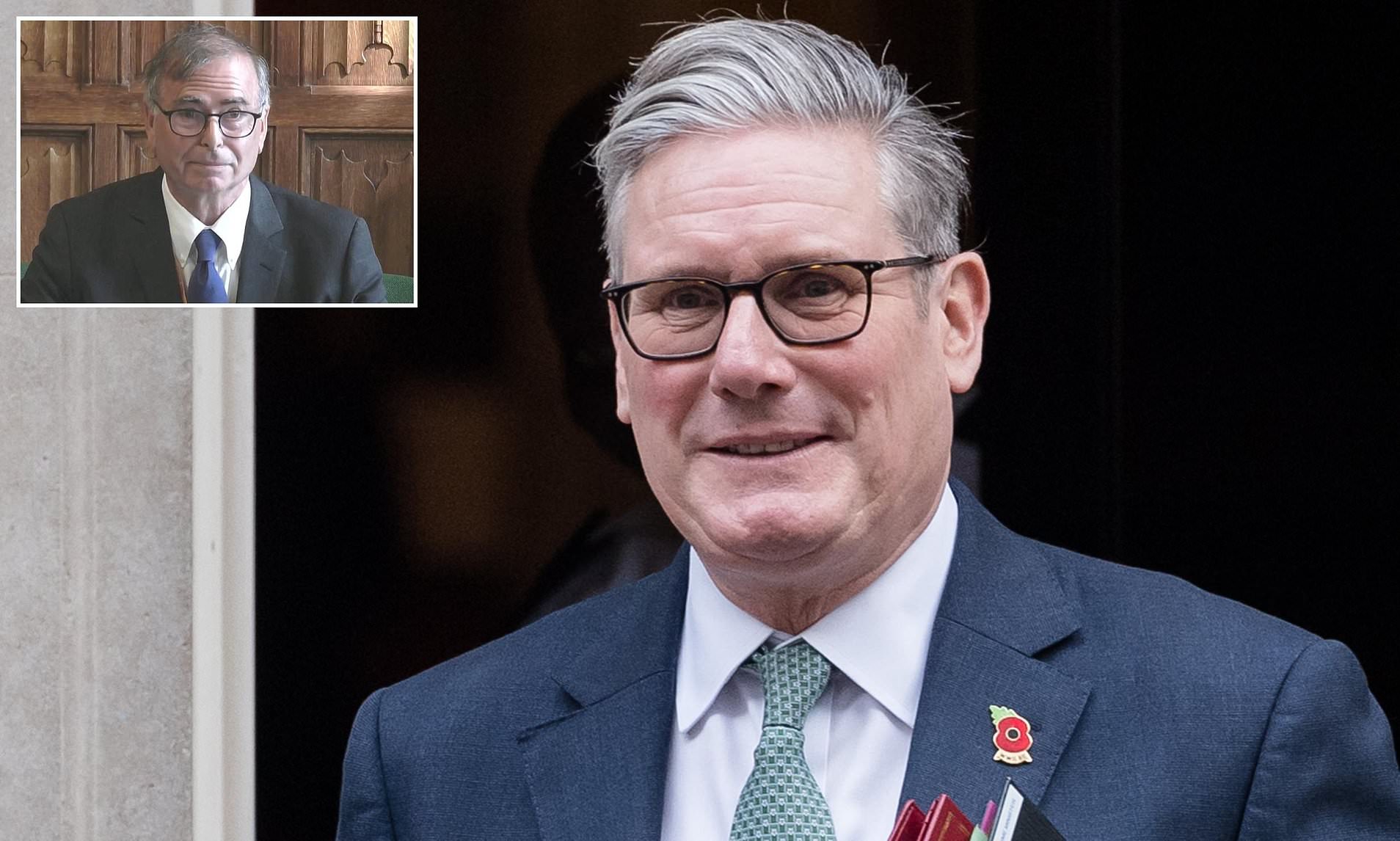
The recent controversy surrounding the appointment of David Kogan as the chairman of the Independent Football Regulator has sparked significant debate, with the Prime Minister, Sir Keir Starmer, being called out by the ministerial sleaze watchdog. The situation has led to a series of admissions and apologies from key figures involved, highlighting concerns about transparency and governance.
Sir Laurie Magnus, the Independent Adviser on Ministerial Standards, expressed his disapproval of the Prime Minister’s involvement in the appointment. He noted that it was ‘regrettable’ that Sir Keir had signed off on the decision, especially given his previous commitment to avoid any conflict of interest due to freebie tickets to Arsenal matches.
In response, Sir Keir admitted that he had made an ‘unfortunate error’ and expressed his sincere regret. He explained that he had discussed his interest in football three times with the watchdog, including his enjoyment of hospitality from football clubs and the Football Association. As a result, he had agreed to recuse himself from decisions related to the Football Governance Bill, which sets up the regulator role.
However, he acknowledged that he had supported the appointment of Mr. Kogan, a major Labour donor, after the Culture Secretary, Lisa Nandy, informed him of her intention to appoint him. This admission has raised questions about the integrity of the process and the potential for conflicts of interest.
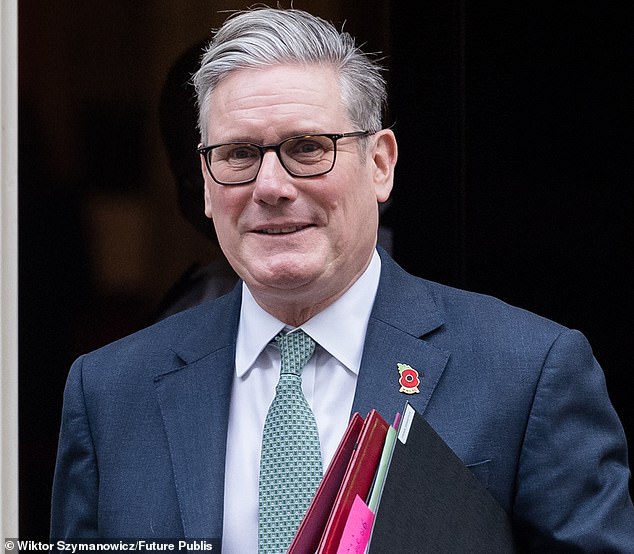
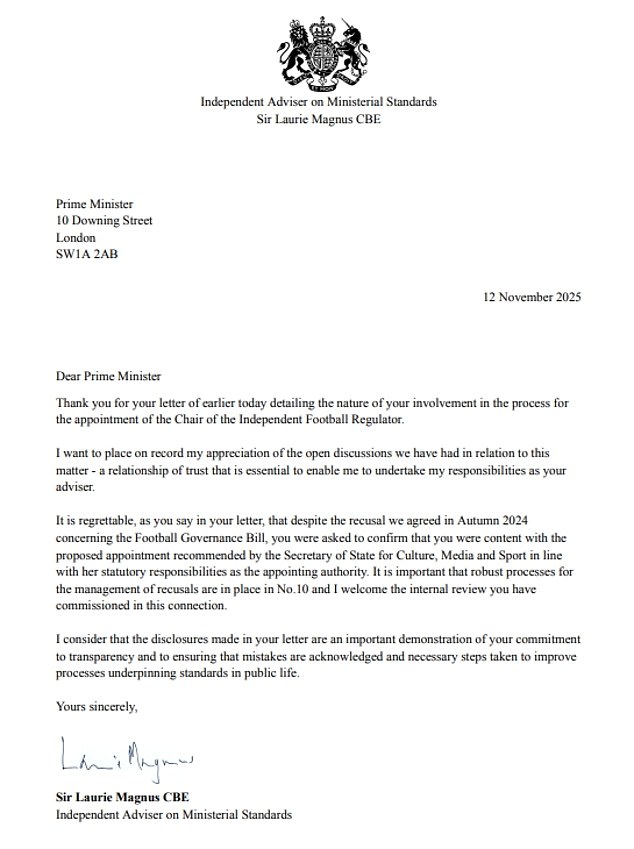
Sir Keir also revealed that he had discussed the issue with the sleaze watchdog in June, mentioning Mr. Kogan’s donations to his campaign and local party branch. He stated that they agreed that the recusal should include measures to guard against any perception of conflict. Since then, he has not taken or approved any decisions related to Mr. Kogan’s appointment.
In his letter to Sir Laurie, the Prime Minister mentioned an internal review of the processes for managing recusals in No 10. The watchdog welcomed this initiative, emphasizing the importance of robust processes for the management of recusals.
A Broader Scandal Involving the Culture Secretary
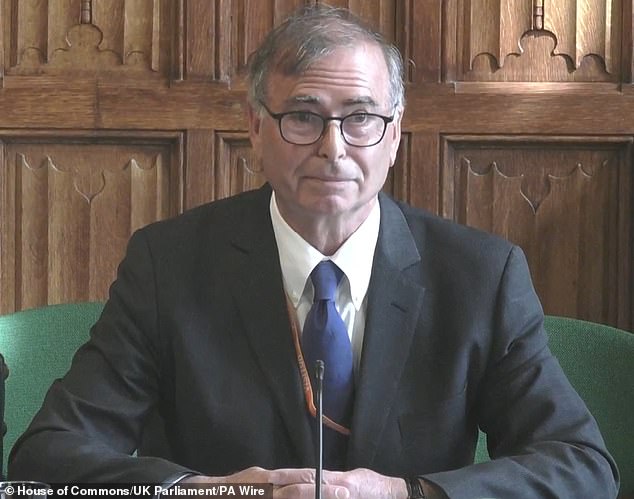
The scandal has not only affected the Prime Minister but also the Culture Secretary, Lisa Nandy, who has faced criticism for her role in the appointment. Despite apologizing for three breaches of the public appointments code, she insisted that she did nothing wrong. However, a report by the Commissioner for Public Appointments, Sir William Shawcross, highlighted several issues.
The report found that Ms. Nandy failed to declare and resolve an interest before selecting Mr. Kogan as the Government’s preferred candidate. It also pointed out that she had received £2,900 in donations from Mr. Kogan for her 2020 Labour leadership campaign but only checked if he had done so after he was selected as the preferred candidate.
Additionally, the report noted that Mr. Kogan’s donations to Ms. Nandy were not discussed during his interview, and the Department for Culture, Media and Sport made no mention of his political activity when announcing his appointment, despite his company having given £33,410 to Labour over five years.
Ms. Nandy defended her actions, stating that she did not know about the donations at the time of selection and that she recused herself once she became aware. She took full responsibility for the breach, acknowledging that the highest standards were not met.
Political Reactions and Ongoing Concerns
The controversy has led to calls for further action, with senior Tory MP Alex Burghart criticizing the Prime Minister for his handling of the situation. He argued that the incident reflects a lack of control within the Labour Party and questioned the integrity of the government.
Tory MP James Wild also expressed surprise at the lack of contrition from Ms. Nandy, given the damning nature of the report. The ongoing debates highlight the need for transparency and accountability in public appointments, raising concerns about the potential for cronyism and the impact on public trust.

Related posts:

Fiction park: He was the best in class. He still wasn’t good enough

Gagan Thapa takes oath as Congress president, vows to regain public trust

Inside knowledge that has locals gripped by fear after gran’s body found decomposing in cattle dip

New property purchase disclosure rule in Japan sparks fears it may curb foreign investment

Dino-mite treasures: inside Singapore’s Fort Knox storing playthings of ultra-rich