The NHS Under Pressure: A Clash Between the BMA and the Government
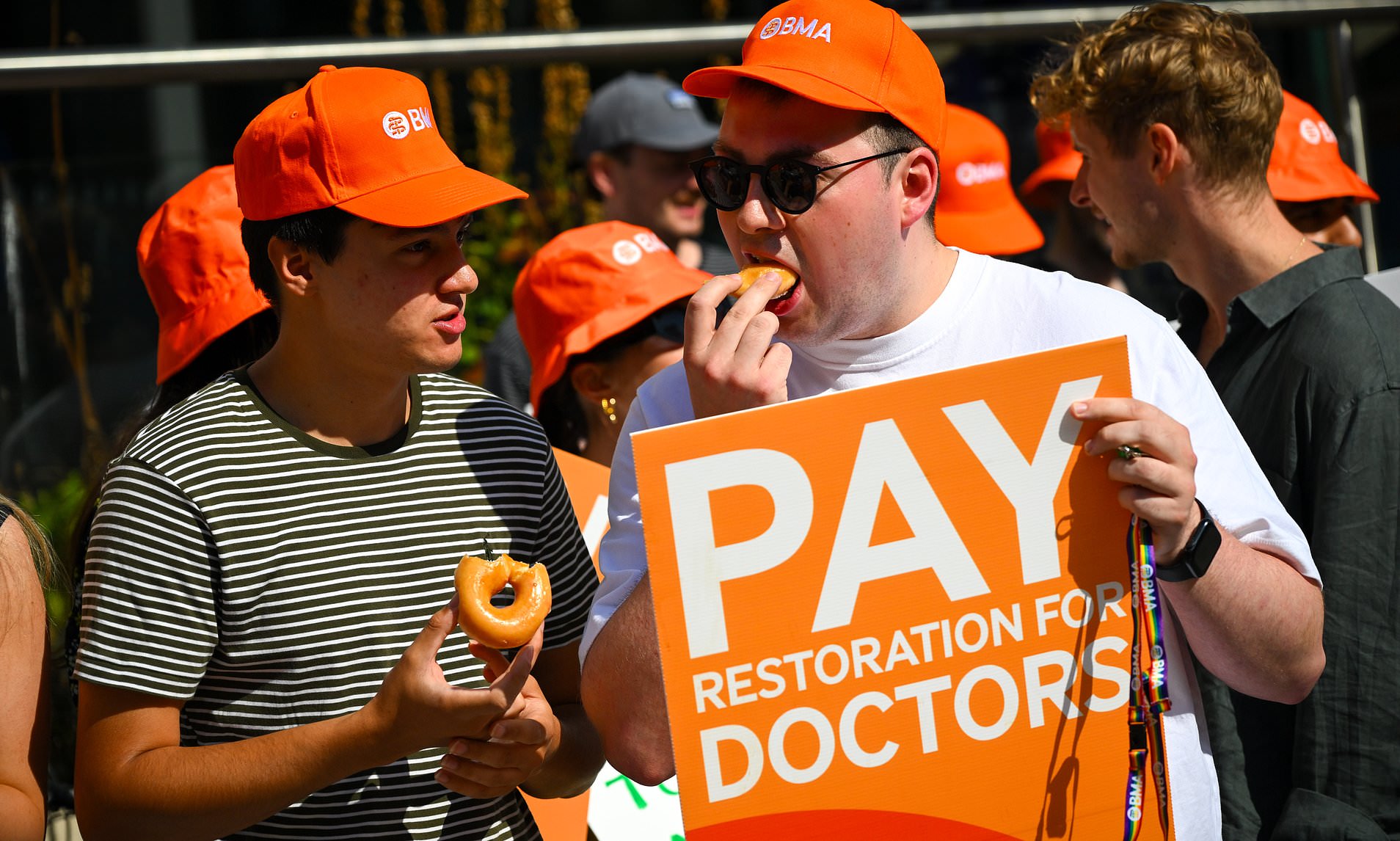
The ongoing dispute between the British Medical Association (BMA) and the UK government has reached a critical point, with Health Secretary Wes Streeting condemning the union’s actions as “morally reprehensible.” He has accused the BMA of acting like a cartel and undermining the future of the National Health Service (NHS). The conflict centers around planned strikes by resident doctors, which are set to begin on Friday and last for five days.
Streeting has warned that these strikes will cause “damage and disruption” to the NHS, with an estimated cost of £240 million. He emphasized that the government would not be “held to ransom” by the BMA, stating that the organization is no longer a professional voice for medical professionals.
In a bid to de-escalate the situation, Streeting recently offered resident doctors more specialist training places and assistance with exam fees and professional membership dues if they abandoned their industrial action. He also highlighted that doctors had received a 28.9% pay rise over the past three years and argued that taxpayers could not afford further increases. However, the BMA’s resident doctors committee rejected the offer within hours, without consulting the wider membership. This move has been met with criticism, as support for the strikes among the broader membership is reportedly waning.
During a question and answer session at the NHS Providers’ conference in Manchester, Streeting was asked whether it should be illegal for doctors to strike, similar to how police are banned from striking. He responded that while he supports people’s right to withdraw their labor, he urged the BMA to recognize its responsibility to patients.
- Streeting pointed out that the majority of resident doctors did not vote for the strike, highlighting the lack of widespread support.
- He noted that there is no precedent in British trade union history where such a significant pay rise was followed by strike action.
- The Health Secretary warned that the walkout would cause “untold misery and disruption” to patients and place additional pressure on other NHS staff.
The BMA’s Role and Criticisms
Streeting also criticized the BMA’s consultant members, accusing them of being among the most effective lobbyists against higher taxes. He argued that some consultants are pushing for others to bear the cost of higher salaries for doctors, despite the financial challenges facing the NHS and public finances.

- He stressed the need for the BMA to take a realistic approach to the challenges in the healthcare system.
- Streeting described the BMA’s behavior as increasingly cartel-like and warned that it threatens the recovery and future of the NHS.
NHS figures show that consultant average full-time equivalent earnings are £127,540 a year, raising questions about the financial demands of the BMA. Streeting’s comments were met with applause from NHS executives, including Sir Jim Mackey, who described the strikes as “irritating” and “disruptive.”
Preparing for the Impact of Strikes
Sir Jim Mackey, NHS England’s chief executive, called for a focus on four priority areas during the strike, including maintaining emergency care and maternity services. He urged trust leaders to keep the majority of services operating, with rescheduling of appointments and operations only occurring in exceptional circumstances to safeguard patient safety.
Matthew Taylor, chief executive of the NHS Confederation, warned that no one wins if the strikes proceed. He urged the BMA to reconsider its decision, emphasizing that the current pay increase is significant and that further funding is not available.

- Taylor highlighted the potential risks of the strikes, including exposing patients to avoidable harm and weakening the government’s ability to respond to future demands.
- He called for a return to negotiations between the BMA and the government to resolve the dispute.
Daniel Elkeles, chief executive of NHS Providers, echoed these concerns, stating that the strikes could halt progress made in patient care, safety, and NHS finances. He emphasized the importance of preparing the NHS for winter and warned that the costly strike could erase recent productivity gains.
The BMA’s Response
The BMA has defended its position, stating that it is advocating for solutions that ensure doctors can see patients and reverse lost pay. A spokesperson said the union is committed to negotiating with the government to address both job and pay issues for resident doctors.
- The BMA emphasized the need for the government to recognize the value of the NHS workforce.
- It called for a return to the negotiation table to find a solution that benefits all parties involved.
As the strikes loom, the NHS faces a difficult challenge in maintaining services while managing the fallout from the ongoing dispute. The outcome of this confrontation could have far-reaching implications for the future of the health service and the working conditions of medical professionals.


