The Hidden Dangers of Delaying Cancer Diagnosis
A recent survey has revealed a concerning trend among Britons: over half of those experiencing potential cancer symptoms are avoiding contact with their general practitioners (GPs) due to fears of not being able to secure an appointment. This reluctance, combined with other factors such as the desire not to be seen as making a fuss, could have serious consequences for early diagnosis and treatment.
According to a YouGov poll conducted on behalf of Cancer Research UK, two in five individuals delayed visiting their GP because they didn’t want to be perceived as creating unnecessary concern. These delays can significantly impact survival rates, as early detection is crucial in improving outcomes for cancer patients.
For instance, when bowel cancer is diagnosed at stage one — its earliest stage — more than nine out of 10 people survive for five years or longer. However, this likelihood drops to just one in 10 when the disease is detected at stage four, the most advanced stage. This stark contrast underscores the importance of prompt medical attention when unusual health changes occur.
New Initiatives to Improve Early Detection
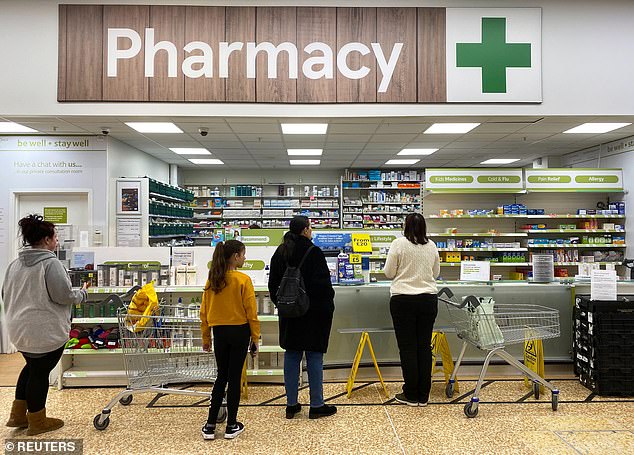
In response to these findings, Cancer Research UK has taken proactive steps by training pharmacists at Tesco to identify possible signs of cancer. These trained professionals can offer guidance and help patients book a GP appointment if necessary. This initiative aims to make it easier for individuals to discuss their concerns in a private setting, potentially leading to earlier diagnoses and improved survival rates.
Michelle Mitchell, the chief executive of Cancer Research UK, emphasized the importance of early detection, stating that spotting cancer early can make all the difference. She highlighted the collaboration with Tesco, which enables people to speak to professionals about their concerns, ultimately helping to diagnose cancers earlier and save lives.
Tom Lye, Tesco’s health and wellness category director, added that customers can easily access a pharmacist at one of over 350 Tesco Pharmacies. With their specialized training from Cancer Research UK, pharmacists can engage in confidential conversations about any worrying symptoms, supporting customers in getting an earlier cancer diagnosis.
Professor Peter Johnson, NHS national clinical director for cancer, noted that the NHS is treating record numbers of people for cancer, with more individuals diagnosed at an earlier stage than ever before. He encouraged anyone noticing unusual health changes or potential cancer symptoms to seek help from their GP, pharmacist, or another healthcare professional as soon as possible.
Understanding the Barriers to Seeking Help
The Cancer Research UK poll surveyed 6,844 British adults to understand what prevented them from seeking help when they noticed potential cancer symptoms. The top reasons cited included the belief that it would be difficult to get an appointment (53% of respondents), finding it challenging to get an appointment (47%), and not thinking the symptom was serious (44%).
Other barriers included the desire to manage symptoms independently (43%) and not wanting to be seen as making a fuss (40%). Additionally, 37% believed their symptoms were related to an existing illness or life change, while 37% preferred not to have a remote appointment.
The Impact of Delays on Treatment Outcomes
Fast access to cancer care is vital not only for reducing the risk of the disease spreading but also for minimizing the need for extensive treatments like chemotherapy or radiotherapy. A recent study by Canadian researchers found that a 4-week delay in cancer surgery increased the risk of dying by 6-8%.
Writing in the BMJ, the researchers called for a reevaluation of how cancer services are organized, emphasizing the need to prioritize reducing the time between diagnosis and treatment initiation. They argued that system-level improvements could lead to better survival rates.
Real-Life Experiences Highlight the Importance of Early Detection
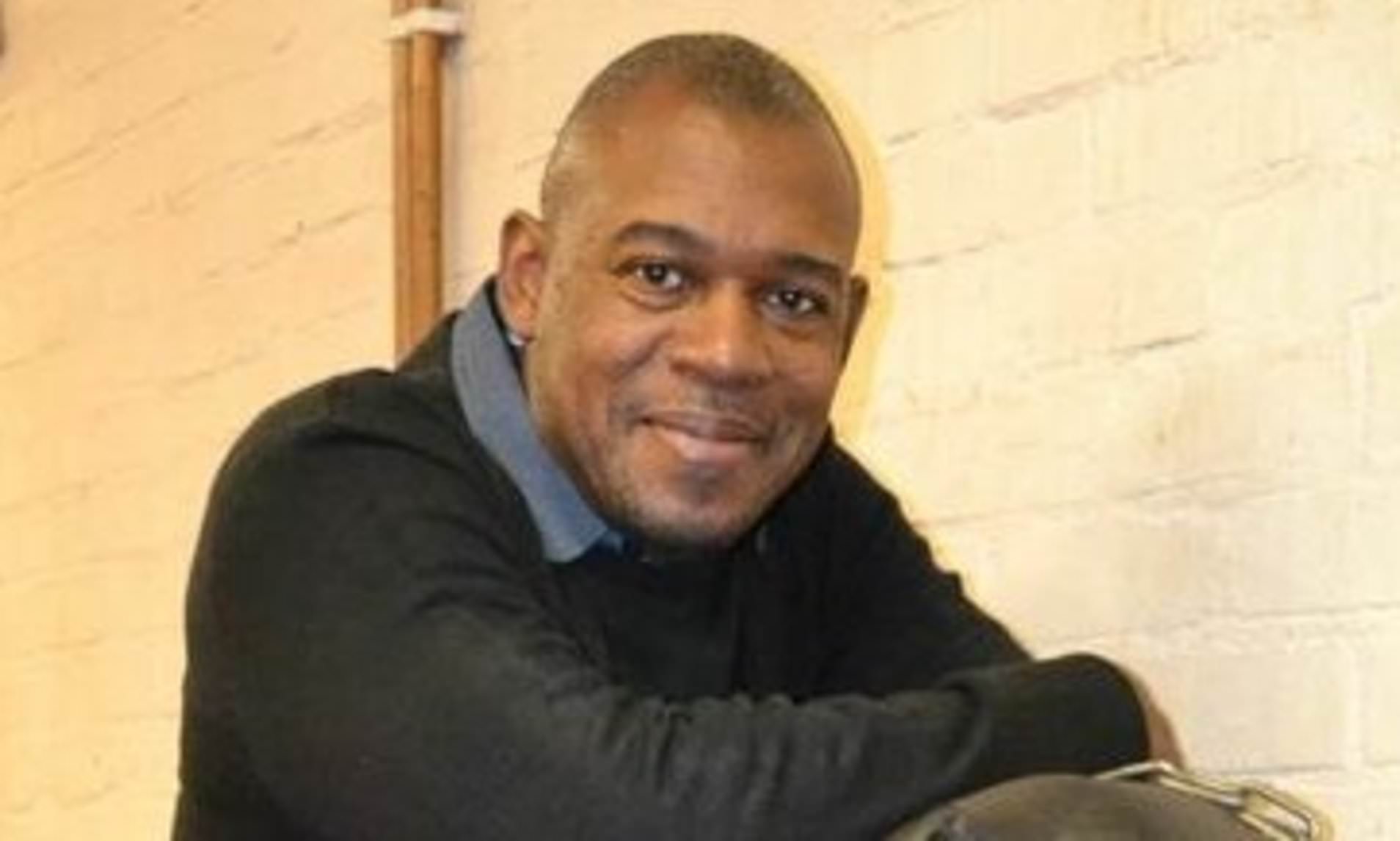
Steve Browne, a father of three from London, shared his experience of having his bowel cancer detected early despite delaying his GP visit for months. After experiencing intermittent bleeding and stomach pain in 2012, he initially dismissed his symptoms due to a previous diagnosis of irritable bowel syndrome. It wasn’t until his wife urged him to see a doctor that he received a cancer diagnosis and underwent surgery.
Browne emphasized the importance of early diagnosis, noting that his cancer had not spread, allowing him to avoid chemotherapy or radiotherapy. He encouraged others to seek medical advice if they notice anything unusual in their health.
Recognizing the Symptoms of Bowel Cancer
Bowel cancer is the fourth most common cancer in both the UK and the US, with around 44,000 cases diagnosed annually in the UK and 142,000 in the US. Symptoms often include changes in bowel movements, such as persistent diarrhea or constipation, increased or decreased frequency of bowel movements, and blood in the stool. Other signs may include stomach pain, a lump in the stomach, bloating, unexpected weight loss, and fatigue.



Challenges in the NHS and the Need for Improvement
Despite efforts to improve cancer care, the NHS continues to face challenges in meeting targets. Recent figures show that only 67.9% of newly-diagnosed cancer patients referred for urgent treatment were seen within two months, falling short of the 85% target. Similarly, only 91.2% of patients started treatment within 31 days of being booked, below the 96% goal.
The NHS also failed to meet the target of informing at least 75% of patients with suspected cancer whether they have the disease, achieving only 73.9%. These statistics highlight the ongoing need for improvement in cancer care and the importance of addressing delays in diagnosis and treatment.
As the debate over the effectiveness of the NHS in providing timely cancer care continues, the message remains clear: early detection can save lives, and individuals must take proactive steps to seek medical attention when needed.


