Concerns Over Delayed Breast Cancer Diagnoses in Northern Ireland
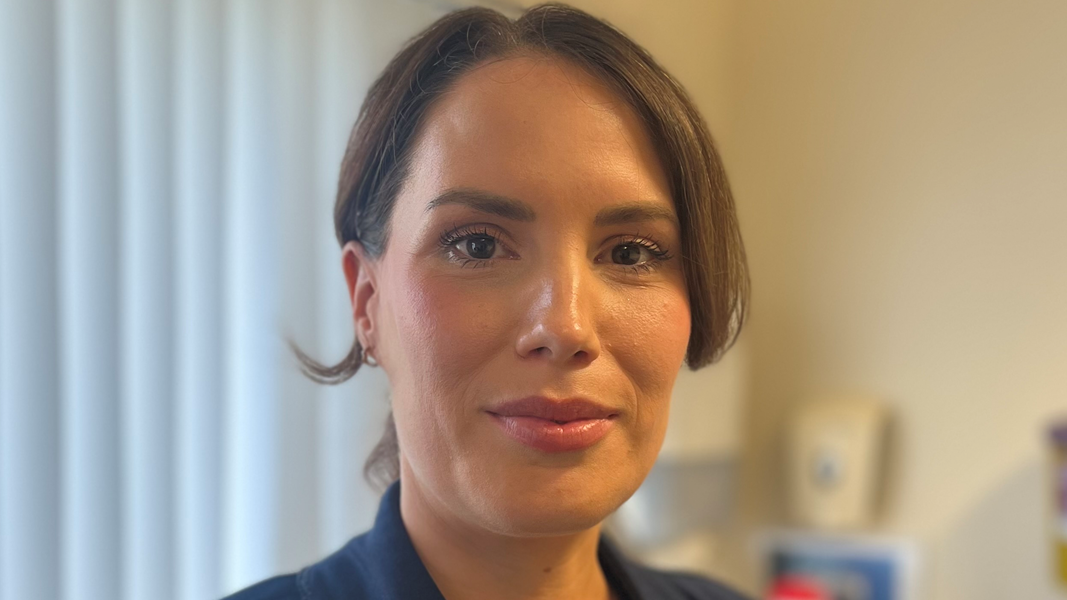
A general practitioner (GP) from County Antrim has expressed significant concern regarding the delayed breast cancer diagnoses faced by women in Northern Ireland. This comes after three patients under her care received late cancer diagnoses, highlighting a growing issue within the healthcare system.
The Notting Hill Medical Practice, located in the Northern Trust, reported that 32 women were red-flagged for suspected breast cancer within a five-month period this year. Among these, three patients requested anonymity due to the sensitive nature of their situations. These individuals had to wait over eight weeks before being seen by a consultant, while nine others are still waiting, with one patient experiencing a delay of more than 10 weeks.
Dr. Jilly O’Hagan, who is concerned about the situation, described the delays as “traumatic” and emphasized the emotional toll on patients. One woman, who has been in limbo for months, stated she simply wants the cancer out. She mentioned that after being informed there were over 80,000 women ahead of her on the waiting list, she opted for a private diagnosis, which confirmed she had stage two breast cancer.
This woman expressed frustration over the delay and the physical and mental strain it caused. Dr. O’Hagan pointed out that such issues are not prevalent in England, Scotland, and Wales, raising questions about why women in Northern Ireland are receiving a “substandard service.”
The Red-Flag Referral Process
A red-flag referral is a critical step in the healthcare process, indicating that a GP believes a patient should be treated as a high priority for suspected cancer based on specific clinical symptoms outlined by the Northern Ireland Cancer Network (NICaN). These referrals are the highest priority for waiting lists, and patients should ideally be seen by a specialist within two weeks. After a diagnosis, there is a 62-day target for treatment to start.
However, data from April to June 2025 revealed that approximately 840 patients (67%) waited longer than 62 days to start treatment for cancer following an urgent GP referral for suspected cancer.
A Personal Struggle with Diagnosis Delays
In the Southern Trust area, a woman with stage four breast cancer shared her experience of delays caused by confusion between various health trusts and hospitals. She described the situation as “faffing around,” which significantly delayed her diagnosis.
In her early 40s, she was left emotionally distressed after receiving conflicting outcomes from different health trusts. Her care was deemed inadequate, with a lack of coordination and personal touch. She first noticed a “pull” under her armpit in June, but it took two weeks before she could see her GP. Upon examination, a “pea-sized” lump was found, leading to a red-flag referral in early July.
With a family history of breast cancer, she had undergone two previous annual mammograms, both of which were clear. However, after being red-flagged, there was confusion as she was referred between Craigavon Area Hospital and then the Ulster Hospital, in a different health trust. She considered seeking private treatment in Northern Ireland or the Republic of Ireland.
The pea-sized lump grew larger, and her breast became red and swollen. Almost 10 weeks after her initial GP appointment, she was diagnosed with stage four cancer in August and began chemotherapy at the end of October. She described the experience as “horrific” and noted that her family and she are emotional wrecks.
UK’s Worst Cancer Waiting Times
Naser Turabi from Cancer Research UK highlighted that Northern Ireland has the worst cancer waiting times in the UK. He emphasized that many patients are waiting too long for treatment, particularly for aggressive cancers like lung, gynaecological, and blood cancers. According to Mr. Turabi, this delay poses a serious risk to patient safety and survival, with around 70% of patients missing the target every month.
Research indicates that timely treatment is crucial, with every four-week delay reducing patient survival by an average of 10%. In August, reports indicated that some patients who have been red-flagged for breast cancer assessments are waiting up to 10 weeks to be seen. The target set by Northern Ireland’s devolved Department of Health is 14 days.
Heightened Patient Anxiety
In response to the concerns, the Department of Health stated that the implementation of the single regional waiting list for breast assessment was introduced in May to address regional inequity. However, they acknowledged that the current core capacity of the breast assessment service is insufficient to meet ongoing demand. To address this, £5m has been allocated through the Elective Care Framework.
Health Minister Mike Nesbitt recognized that delays in access to breast assessment can heighten patient anxiety and welcomed recent improvements, noting that women have waited about seven weeks to be seen. While he acknowledged that this is still too long, he anticipates that this will continue to reduce.
Waiting List Money ‘Diverted’
According to the Department of Health, since April 2025, more than 122,600 red-flag or time-critical patients have been seen or treated, with plans to reach about 226,700 by the end of the year. They also reported that outpatient waits have decreased by 29% over four years, with 29,500 patients affected, and treatment waits down by 41%, impacting 8,300 patients.
Earlier this year, £215m was set aside to tackle hospital waiting lists. However, during a debate on cancer waiting times in the assembly, the minister confirmed that a third of that money has been diverted to deal with the Department of Health’s massive deficit.
During the debate, the minister acknowledged that more than £70m has been used to help tackle budget difficulties. The Department of Health had faced a deficit of £600m and has been reducing that figure through efficiencies. Nesbitt told assembly members there had been some improvements on hospital waiting lists, but acknowledged there was more still to be done.


