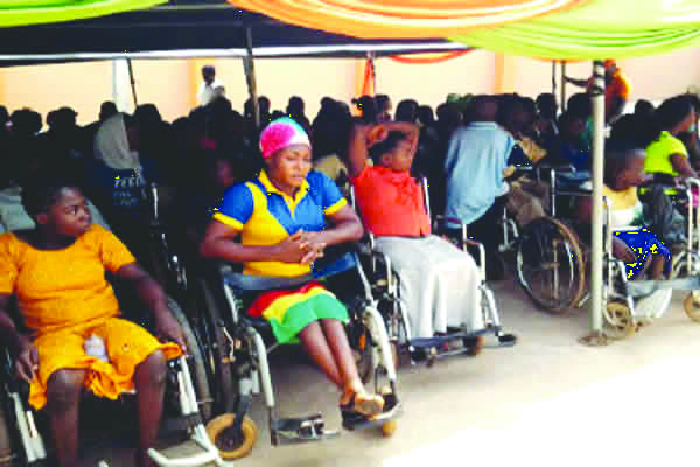
Challenges Faced by Pregnant Women with Disabilities in Nigeria
Across Nigeria, many pregnant women with disabilities face significant barriers when trying to access antenatal care in public hospitals. Communication gaps, neglect, discrimination, and policy failures often prevent these women from experiencing safe motherhood. The story of Mrs. Hellen Beyioku-Alase highlights the struggles faced by deaf women during their pregnancy and childbirth.
A Difficult Journey for a Deaf Mother
Beyioku-Alase, a mother of four, shared her painful experience when she gave birth to her first child in May 2015. She was met with blank stares and unfriendly body language from healthcare workers who had no idea how to communicate with her. Without a sign language interpreter, she was left to decipher what she could from fleeting glances and dismissive gestures.
The lack of communication during her antenatal care meant that she missed out on vital information about her pregnancy. During labor, she struggled without proper guidance, as no efforts were made to explain the process or make it inclusive. Her baby almost didn’t make it, and the newborn was placed close to a wash basin due to inadequate bed space.
Repeated Neglect and Health Risks
Beyioku-Alase’s story is not an isolated one. She also suffered two miscarriages due to the lack of inclusion for persons with disabilities in the country’s health system. When seeking family planning services, healthcare workers made assumptions rather than explanations, leading to the prescription of contraceptives without proper counseling.
This lack of communication put her health at risk. After experiencing negative side effects, she stopped taking the contraceptive immediately. She eventually chose to have her subsequent pregnancy care and delivery at a church’s delivery home, where the staff showed more compassion and understanding.
High Maternal Mortality Rates in Nigeria
Nigeria has one of the highest maternal mortality rates globally. According to the United Nations Population Fund, the country ranks among those with very high maternal mortality ratios, between 500 and 999 deaths per 100,000 live births. Causes include hemorrhage, infection, hypertensive disorders, unsafe abortions, and obstructed labor.
The Impact of Disability on Maternal Health
Globally, about 1.3 billion people, representing 16% of the population, experience disability. In Nigeria, around 25 million Nigerians live with some form of disability, with about 13 million being women and girls of pre-, post-, and reproductive age. Despite this, the sexual and reproductive health needs of women with disabilities are often ignored.
Ekaete Umoh, former president of the Joint National Association of Persons with Disabilities, has been fighting against discrimination against pregnant women with disabilities for over three decades. She notes that the mistreatment of these women is deeply rooted in perception, coupled with inadequate personnel, infrastructure, and equipment.
Discrimination and Institutional Barriers
Healthcare workers often assume that women with disabilities cannot have a safe motherhood experience. This belief leads to poor treatment and neglect. Some healthcare workers even insist on caesarean sections without proper assessment, assuming that any physical impairment automatically precludes natural childbirth.
Women with disabilities avoid hospitals due to the fear of insults and disrespect. Even when they do seek care, the body language and attitude of healthcare workers can be extremely disrespectful. This environment of shame and exclusion makes it difficult for women with disabilities to access the care they need.
Policy Gaps and Implementation Issues
In June 2018, the Federal Ministry of Health launched the National Policy on Sexual and Reproductive Health and Rights of Persons with Disabilities, emphasizing the rights of women and girls. However, despite this policy, little has changed in practice. The gap between policy and implementation remains vast.
Nigeria ratified the UN Convention on the Rights of Persons with Disabilities in 2010, but the country still faces challenges in ensuring equal access to health services for persons with disabilities. The 2018 policy document itself admits that national health policies and plans do not normally mainstream issues of disability or make provisions for persons with disabilities.
Call for Change and Inclusive Policies
Experts like Dr. Joseph Akinde, Chairman of the Society of Gynaecology and Obstetrics of Nigeria, emphasize the need for inclusive structures and arrangements in health facilities. He calls for the government to enact legislation that ensures institutions make provisions for women with disabilities and take their interests into consideration.
Rhoda Robinson, Executive Director of HACEY Health Initiative, highlights the need for policies that specifically address the needs of pregnant women with disabilities. She stresses that inclusion should be an indicator within the maternal healthcare scorecard to show how well the system is serving these women.
Conclusion
The experiences of women with disabilities in Nigeria highlight the urgent need for change. From communication barriers to institutional neglect, these women face numerous challenges that affect their health and well-being. Addressing these issues requires a comprehensive approach, including policy reform, training for healthcare workers, and the creation of inclusive environments that ensure every woman, regardless of ability, can access safe and respectful maternal care.


