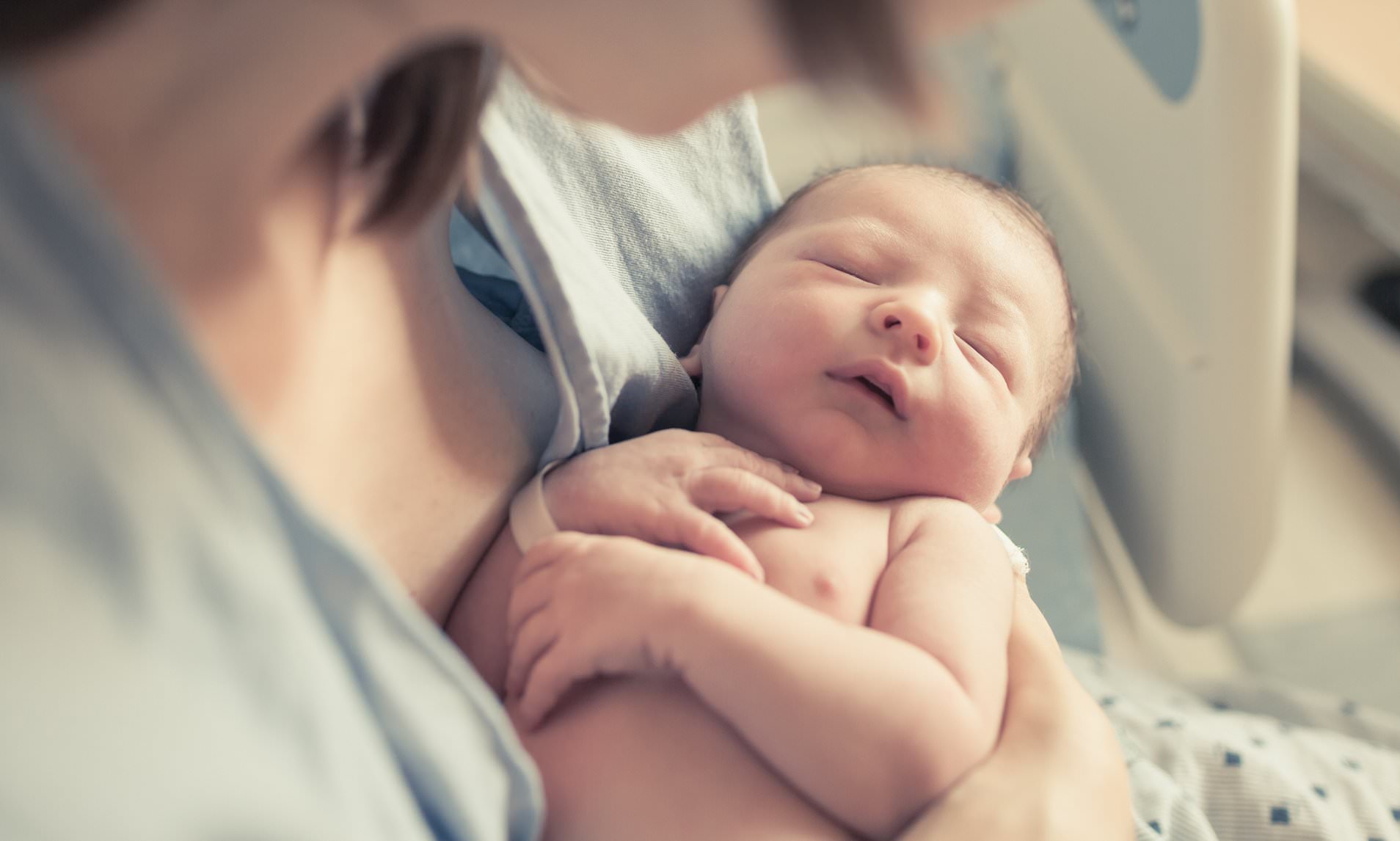
C-sections have become the most common form of birth in England after overtaking ‘natural’ births for the first time.
Some 45.1 per cent of women who gave birth in 2024/25 delivered their baby via caesarean, up from just 9 per cent in 1980.
Meanwhile, the number having unassisted vaginal births has plummeted, from 76.5 per cent to 43.8 per cent over the same period.
The remaining 11 per cent of births last year were assisted vaginal deliveries, meaning doctors used tools such as forceps or suction to help pull the baby out.
The trend in c-sections is thought have been fuelled by surging obesity rates and a growing number of women choosing to give birth in later life – both factors that may increase the risk of a vaginal delivery.
Some women prefer the convenience of scheduling an elective c-section on a known date so they can plan their life around the birth.
And mums who have given birth by C-section once are more likely to do so in subsequent pregnancies.
The NHS England figures, published today, show one in four births (23.9 per cent) are to mothers aged over 35 years – up from 19.9 per cent a decade ago.
Older women are more likely to suffer complications and have a prolonged labour as their uterine muscles may not work as effectively, leading to weaker contractions.
This can result in doctors advising them to have an elective c-section, or an emergency c-section if problems become evident during labour.
The C-section delivery rate increases with age, with 35.6 per cent of women aged 20 to 24 giving birth this way, compared with 57.9 per cent of those aged 40 to 44 and 71.5 per cent of those aged 45 to 49.
An information sheet produced by Barts Health NHS Trust, in London, for mums-to-be over 40 warns: ‘It has been known for many years that older women are more likely to experience problems in pregnancy and childbirth.’
But it also outlines the potential benefits of being an older mum, adding: ‘It’s possible that you are eating more healthily and exercising more than when you were younger. Older women are also less likely to be smokers.
‘The confidence you may have gained from having more life experience may make it easier to enjoy pregnancy and having children.
‘It’s also more likely that you are emotionally and financially stable and ready for children. Try not to worry too much about your age.
‘Just concentrate on having a healthy pregnancy and bonding with your baby.’
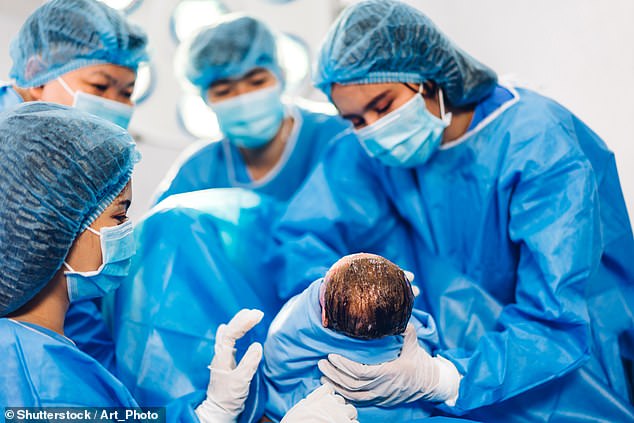
In total, 20 per cent of births in 2024/25 were planned caesareans and 25.1 per cent were emergency, both rising to their highest on record.
Charities warn that being overweight increases the risk to mother and baby, with studies showing obese women are up to twice as likely to need a C-section.
Obese women may also experience a slower labour and are more likely to have a larger baby, which can impede delivery.
More than one in four women aged 18 and over in the UK is now obese.
Pregnancy and baby charity Tommy’s says: ‘If you had a high Body Mass Index (BMI) before or at the start of pregnancy you are more likely to need a C-section, but you won’t be given one based on BMI alone.’
It adds that ‘being overweight or obese does increase the risk of complications to both you and your baby’.
The total number of babies born fell to its lowest in 23 years at 542,235 during the last financial year, 3,000 lower than the previous year and 100,000 fewer than a decade ago.
Dr Alison Wright, president of the Royal College of Obstetricians and Gynaecologists, said: ‘The caesarean birth rate in England and globally, has steadily increased over the past decade.
‘There are varied and complex factors contributing to this, including improvements in our ability to detect when a baby’s wellbeing is deteriorating during labour, and therefore respond appropriately.
‘The observed increase in caesarean rates means we must ensure that services are appropriately prepared, with the right staffing levels, training and facilities to manage increasingly complex births and increasing interventions.
‘Adequate staffing and appropriate theatre resource will be vital to ensuring that all babies and women receive safe, high quality, personalised and compassionate care.’
The average cost of a birth to the NHS in 2022/23 was £5,417, including all care during the pregnancy and immediately after delivery, but tends to be higher in older women.
The cost of a planned C-section is about £4,000 – around £800 more than a natural birth – while an emergency C-section, is the most expensive at up to £6,000 per birth, according to NHS tariffs that set out how much hospitals are paid.
A report from the Care Quality Commission last week revealed that one in five women do not feel they are taken seriously if they raise a concern during labour.
New mums and mums-to-be said they are often unable to get the help they need when using NHS maternity services or do not feel confident they are given the right advice.
A major survey of 16,750 pregnant women by the care regulator found there have been some improvements over the past year but satisfaction levels remain ‘stubbornly static’ and other key issues remain.
These include one in 10 women being left alone at a time when it worried them either during the later stages of labour or during birth – unchanged in recent years.
Women who saw the same midwife throughout pregnancy tended to be more positive about their experiences, but those from the most deprived neighbourhoods were less likely to feel treated with dignity and respect.
Fiona Gibb, director of midwifery at the Royal College of Midwives, said: ‘Caesarean births have been steadily rising over recent years and now make up nearly half of all births, which could reflect a change in maternal population needs, choice of parents-to-be and systemic pressures.
‘Every woman should be supported to make informed choices about the type of birth they want and what is best for them.
‘No birth is entirely without risk, including caesarean, so ensuring women have the right information to make the right choice for them is imperative.’
Read more
- Why are record numbers of mothers opting for risky C-sections over spontaneous childbirth?
- Why are more women than ever opting for elective C-sections, and is this contributing to an outdated stigma against them?
- Why are women still battling for caesareans years after crucial NHS guidelines were scrapped?
- Is avoiding the stress of natural birth doubling the health risks for C-section babies?
- Could skyrocketing C-section rates leave new mothers battling excruciating pain and sleep disorders? Inside the alarming consequences exposed by groundbreaking research.