Leadership Changes and Strategic Shifts in Nepali Cricket
Kathmandu, Aug. 15 — A significant shift in the leadership of the Nepali cricket team has sparked discussions among fans and officials alike. Head coach Stuart Law, ODI skipper Sandeep Lamichhane, and representatives from the Cricket Association of Nepal (CAN) have all emphasized that the changes in team roster and captaincy are aimed at the betterment of Nepali cricket.
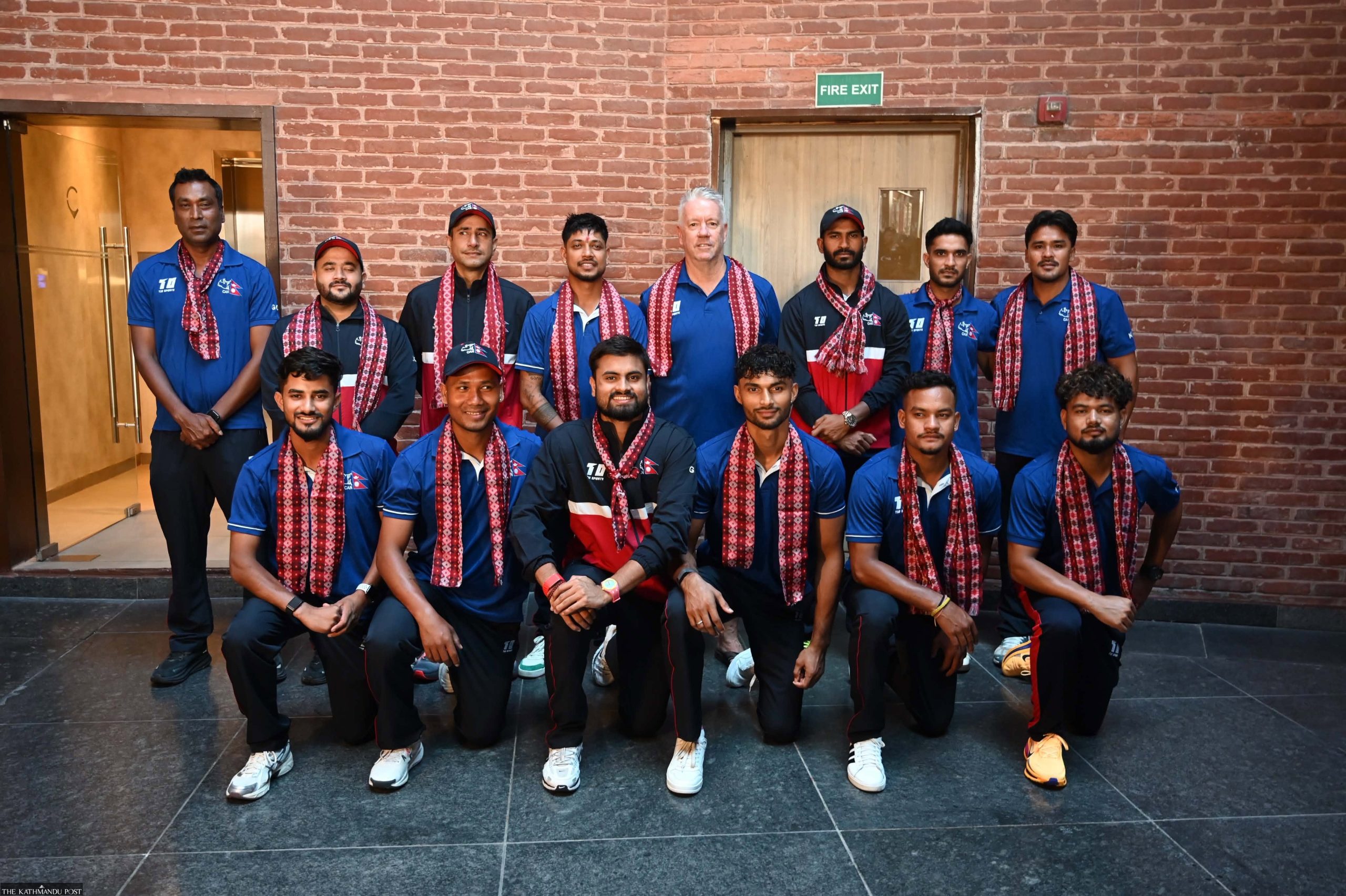
The announcement that Lamichhane would replace Rohit Kumar Paudel as the ODI captain was met with mixed reactions. The governing body had to address these concerns during a hastily arranged farewell ceremony for the senior men’s team on Friday afternoon. Originally, the event was planned to take place after the squad returned from a 10-day training camp in Bengaluru, India. However, due to logistical challenges, the media call was scheduled less than three hours before the event.
Nepal’s men’s cricket team is set for an intense schedule ahead, including the ACC Men’s Premier Cup in Malaysia from August 30 to September 12, the Asian Games in Japan from September 17 to October 3, and the ICC CWC League-2 tri-series in Oman from October 9 to 19. This demanding calendar requires careful planning and strategic decision-making.
A New Era Under Coach Law
Addressing the media ahead of the team’s departure on Friday evening, head coach Law embraced the administrative changes, viewing them as an opportunity for progress. “With change comes a new era, and I am excited for the future,” he said. “Let’s start this new era with a bang with new players and a new skipper.”
Law highlighted the importance of the upcoming 10-day training camp at the National Cricket Academy in Bengaluru. He believes this will be crucial in addressing flaws exposed during Nepal’s recent tour of the Netherlands. While pitch conditions in Malaysia remain somewhat unpredictable, the Australian coach expects standard Subcontinent-style surfaces. “Conditions are a bit unknown, but they should be low and slow and favour spin,” he added.
Law also clarified that a separate squad would be assembled for the T20 format at the Asian Games, allowing players to specialize as the cricket calendar becomes more demanding. His playful advice to Lamichhane included a joke about training for the toss, given the captain’s recent bad luck in coin tosses.
Logistical Challenges and Clearing Misconceptions
CAN Secretary Paras Khadka explained that the rushed schedule was due to last-minute logistical adjustments. “Originally, the plan was to bring the team back to Kathmandu after the Bengaluru camp before departing for the ACC Premier Cup,” he said. “However, a last-minute readjustment means the squad will fly directly to Malaysia from India, which led to this sudden farewell.”
After training in India, the Nepal team is expected to arrive in Malaysia early and have some extra training sessions before the main event. Khadka also addressed the elephant in the room — the sudden change in ODI leadership. He defended the board’s decision, insisting it was based on strategic structural needs rather than personal preference. “Cricket is a team sport where every player holds equal importance, and this decision was made strictly for the betterment of Nepali cricket,” he said.
Khadka pushed back against speculation that the leadership change was aimed at sidelining former captain Rohit Paudel. He stressed that CAN’s focus remains on long-term national development. “We are not trying to end any player’s career,” he asserted. “We are making decisions based on multiple factors, all aimed at turning Nepal into a top-tier cricket nation.”
Realistic Outlook and Fan Support
Offering a realistic assessment of the team’s standing in the ICC Cricket World Cup League 2, Khadka urged fans and critics to recognize the rising standards of international competition. “We managed to beat top-placed League-2 teams at home, but we struggled while travelling on foreign soil,” he acknowledged. “The level of competition today is tough. Maintaining ODI status is crucial, but we have to look beyond just surviving in the 50-over format.”
Despite the recent turbulence, Khadka expressed firm belief in the selected squad’s ability to secure back-to-back Asia Cup qualifications. He appealed to supporters for patience during this transition. “We picked this squad with Asia Cup qualification firmly in mind, and we believe they will deliver results,” he said.
Lamichhane echoed similar sentiments, acknowledging the team’s recent slump but insisting the squad is focused on making amends. “Sometimes opponents simply play better than us despite our best efforts,” he said. “But we won’t let that happen again, and we will come back with better execution.”
Looking Ahead
Lamichhane called for a forward-looking mindset, stressing that the team intends to answer its critics on the pitch. “Every single cheer and word of motivation will boost us and elevate our game,” he said.
While CAN officials downplayed the absences, informal reports indicated logistical and personal delays. Airee was reportedly outside the Kathmandu valley celebrating his birthday with family and close associates a day prior. CAN clarified that the absent players would link up with the rest of the squad directly in Bengaluru for the 10-day preparation camp ahead of the Malaysia tour.