Universities have given vice chancellors bumper pay rises and bonuses despite tuition fees rising to ease their financial woes.
Annual accounts for 2024-25 show a number of institutions have rewarded bosses with extra cash while also having to make cuts elsewhere.
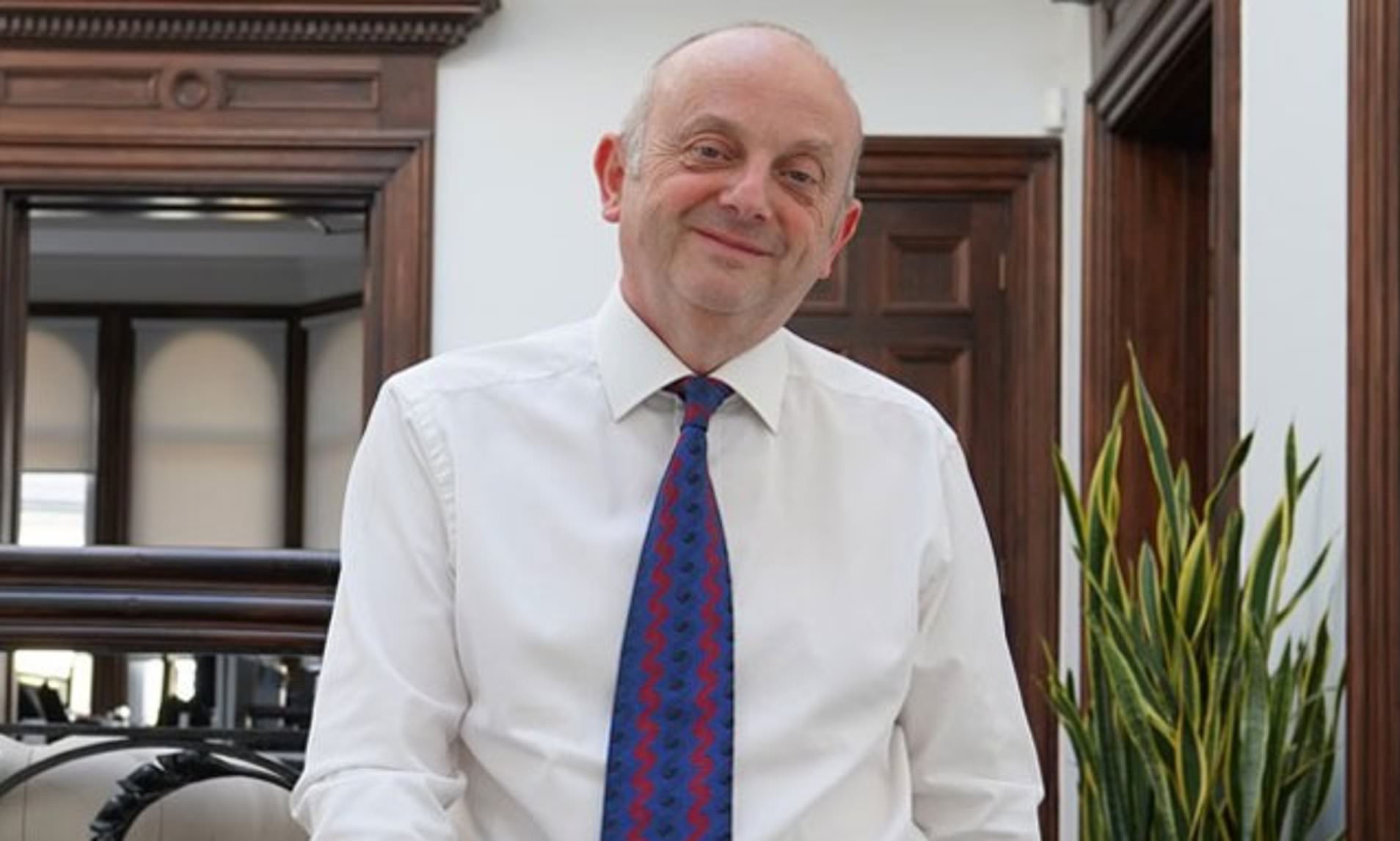
In one example, Nottingham Trent University – which reported a £2 million deficit – paid its departing vice-chancellor Edward Peck a bonus of £66,000 in his last year in the job.
It comes after Labour raised annual tuition fees for the first time in seven years to £9,535, with plans for more inflation-linked rises in future.
Jo Grady, general secretary of the University and College Union, said: ‘Vice chancellor salaries are already eye-wateringly high; this Christmas they should do the charitable thing and donate their bonuses to the food banks that will be supporting far too many students.’
Analysis by Times Higher Education found Professor Peck got a total pay package including bonus of £435,000 last year – up from £407,000 the previous year.
This is despite Nottingham Trent making significant cuts – paying out over £9 million in compensation payments for staff redundancies.
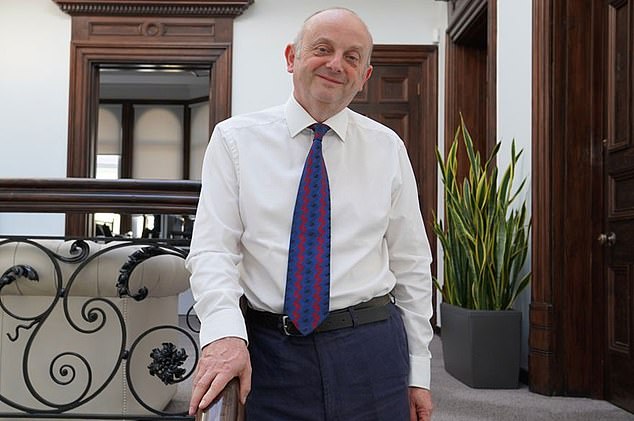
At Teesside University, Paul Croney received a £43,000 bonus, which helped lift his total remuneration from £342,257 the previous year to £407,732 in 2024-25.
The university made cuts this year which saw up to 14 academics being asked in October to reapply for their jobs or take voluntary redundancy.
There was also a £6,000 bonus for Jane Harrington at the University of Greenwich, which is merging with Kent University to save on costs.
And there was also a £5,000 bonus for Nishan Canagarajah at the University of Leicester, which is currently running a redundancy programme which places around 150 jobs at risk.
The research comes after universities lobbied hard for the Government to raise tuition fees, saying they were struggling to make ends meet.
Other bumper pay uncovered by Times Higher includes a total package of £666,000 for Irene Tracey at Oxford, up from £573,000 in 2023-24.
This included a salary increase from £410,000 to £427,000. Oxford said the rise comes after she turned down an offer of an 8 per cent increase in a previous year.
Part of her package also included a reimbursement for tax liabilities on the property she lives in, which Oxford said would not apply in future years.
Meanwhile, Amanda Broderick at the University of East London received a £50,000 bonus, part of a total pay package of £388,000 in 2024-25, which was up from £356,000 the previous year.
The universities have been contacted for comment.
Nottingham Trent said the institution’s remuneration committee takes into account comparability to other university leaders and appropriate benchmarks outside of the sector, as well as the performance of the university against key performance indicators.
A spokesman for Teesside said the university outperformed across all areas of business and delivered significant growth without incurring any debt.
They added: ‘The Vice-Chancellor’s pay is set in line with UCEA benchmarking and determined by the University’s Remuneration Committee, of which the Vice-Chancellor is not a member.
‘Major achievements contributing to the performance payment include winning the Daily Mail Modern University of the Year, gaining an Outstanding Ofsted rating for our professional apprenticeships, securing IIP Gold for the fifth consecutive time, and delivering significant growth without incurring any debt.
‘The recent review of our Principal Lecturer roles was carefully developed to align with the University’s strategy and objectives and to provide leadership roles in the most appropriate areas and we worked closely with all impacted staff to provide full support.’
A Department for Education spokesman said: ‘We are taking action, through the ambitious reforms set out in the Post-16 Education and Skills White Paper, to secure the long-term future of higher education— delivering excellent outcomes for students and staff and supporting the Prime Minister’s ambition for two-thirds of young people to be in higher-level learning by the age of 25.
‘Universities are independent institutions, and vice-chancellors manage large and complex organisations, deserving salaries that reflect the challenges of their roles — but pay should be responsible, transparent and not excessive or disproportionate.’
Read more
- Are Vice Chancellors cashing in while universities face financial turmoil with soaring tuition fees and eye-popping salaries?
- How are opulent salaries for university vice-chancellors justified while students’ debts skyrocket?
- Why do UK universities claim sky-high salaries for vice-chancellors are essential despite tumbling student numbers?
- Why are students footing the bill as vice-chancellors’ salaries soar to exorbitant levels amid a funding frenzy?
- Amid financial chaos, are vice chancellors justifying their fat paychecks while pleading poverty?