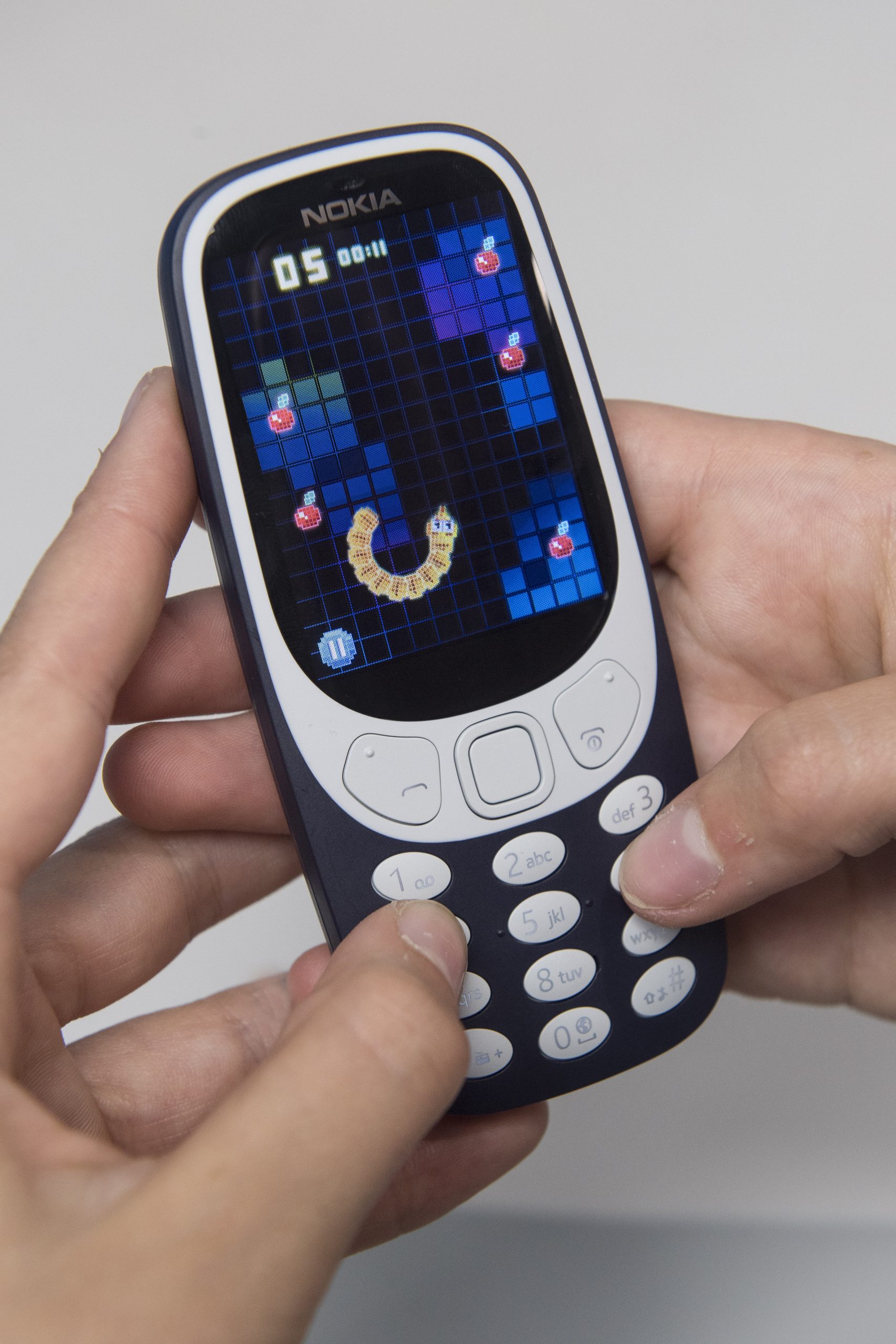
For years, the smartphone was sold as the solution to most of our day-to-day stresses – a device that could do everything, everywhere, all at once. However, in 2025, a growing number of people quietly decided that, in fact, that was the problem. This was the year the dumbphone, a term that was once a punchline became a genuine cultural choice, not out of nostalgia, but sheer exhaustion.
The shift didn’t happen overnight – it’s part of a broader digital detox and digital minimalism movement. These movements are centred around the notion that technology like smartphones are taking an increasing toll on our mental health and productivity.
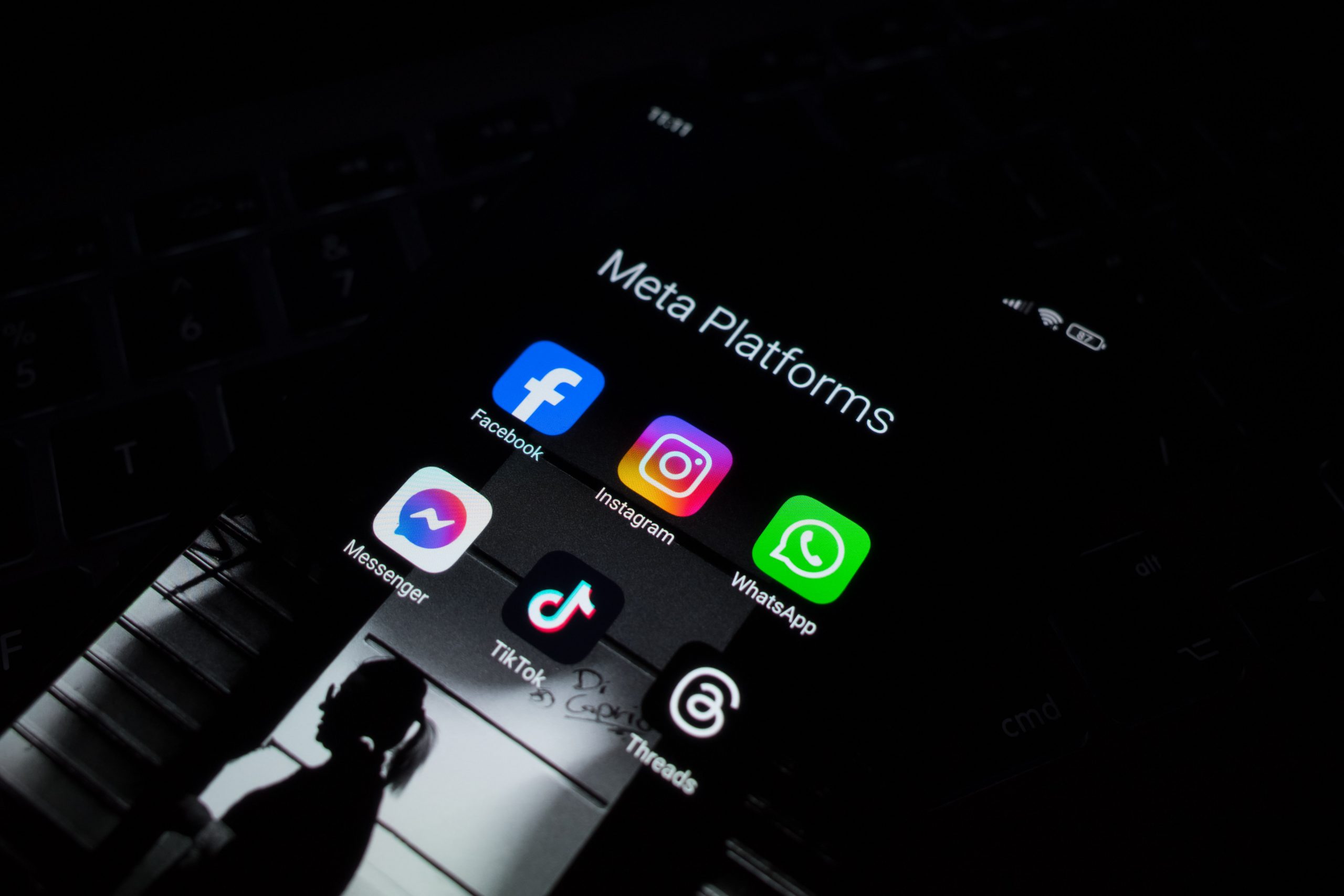
Endless notifications, constant social pressure, and compulsive ‘doom’ scrolling that eats into sleep, focus, and mental well-being – as well as the general need to be ‘on’ all the time – is now understood to have an enormous effect on our general well-being, having been the subject of numerous studies since the late 2010s.
In 2023, a University of Queensland study showed “that reducing smartphone use has the potential to optimise depression, anxiety, stress, and sleep quality” and it’s a notion that really started to find an audience in 2025.
According to the BBC, searches for “dumbphone” spiked by more than 300 % in the past year, as people sought refuge from social media pressure and notification overload.
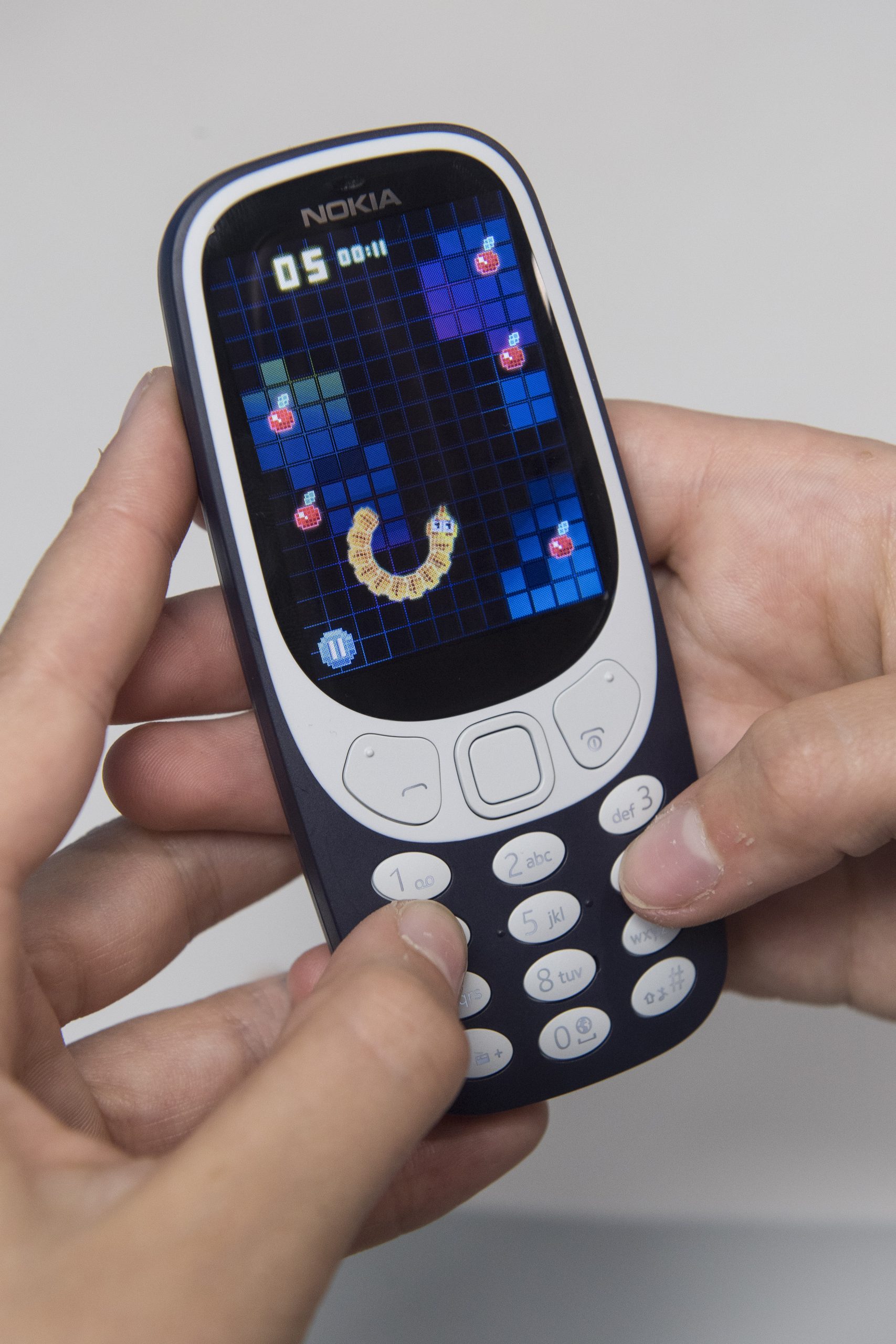
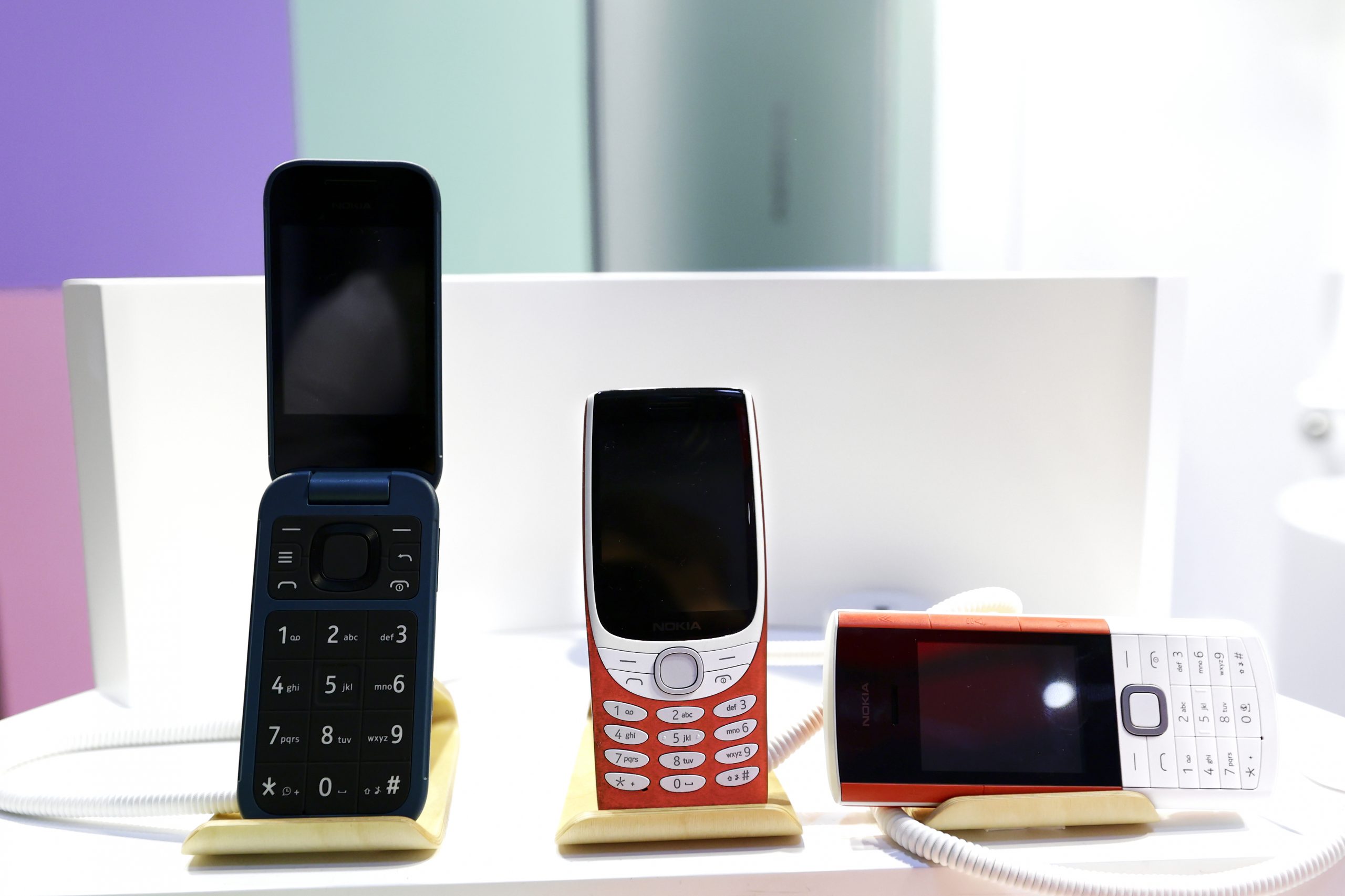
Dumbphones — basic devices designed primarily for calling and texting — began appearing in handbags and pockets where iPhones once lived. Flip phones, candy-bar Nokias, and stripped-back modern alternatives like the Light Phone found new relevance among people craving fewer distractions and clearer boundaries. Without social media, email, or app stores, the phone stopped demanding attention and started doing what it was meant to do: facilitate communication, then get out of the way.
What makes the trend notable is who’s driving it. This isn’t a rejection led by older generations longing for simpler times. It’s coming from people who grew up with smartphones — users who understand exactly how persuasive and intrusive these devices can be. Many describe the switch as a way to reclaim focus, improve sleep, and reduce anxiety. The absence of constant scrolling forces a recalibration of boredom, presence, and time itself.
There’s also a quiet resistance embedded in the movement. In an era shaped by data harvesting and surveillance capitalism, dumbphones offer a form of digital privacy by default. With fewer apps and minimal connectivity, there’s simply less information to track.
But here’s the twist: the dumbphone people want is hard to find. A BBC Future piece highlighted that while there’s clearly interest in simpler devices, the market hasn’t quite caught up with demand. Feature phones – technically a broader category that includes dumbphones – still make up only a sliver of the overall handset market, and few manufacturers are building sleek, modern devices that match the desires of today’s would-be users. This scarcity has ironically become part of the trend’s story – people are chasing devices that feel increasingly rare.
That mismatch speaks volumes about how entrenched smartphones have become. Essential services like banking, travel, education and even ticketing have assumed the presence of an app-equipped handset. For those attempting a full switch, it’s not just about longing for simplicity; it’s about reworking habits and expectations. Many users end up using a dumbphone for calls and texts while keeping a second device – a tablet or laptop – for necessary online tasks that can’t currently be performed on basic hardware.
Despite this, year-on-year we have seen an increase of 21% in sales of these basic phones, made by the likes of HMD and Punkt, and a 148% increase since 2021, as Killer Start Ups reported.
What makes the dumbphone more than a passing fad is that it addresses a persistent problem. Our lives aren’t slowing down, notifications aren’t easing up, and the platforms that dominate smartphones aren’t going to give us a break. The science is clear: constant connectivity fragments attention, disrupts sleep, and raises stress. As awareness of these effects grows and digital minimalism gains wider acceptance, you can expect to see more people seeking out devices, habits, and systems that deliberately protect their focus and mental well-being.
Follow Showbizz Daily to stay informed and enjoy more content!