A New Era of Ethanol Blending in Nepal
Nepal is taking a significant step towards reducing its reliance on costly oil imports by planning to blend domestically produced ethanol into imported fuel. This move, inspired by India’s decade-long experience with ethanol blending, marks a pivotal moment for the country’s energy strategy.
India introduced ethanol blending in 2014 at a 1.5% level, which was later increased to 10% (E10) by 2017. In April 2023, India rolled out E20, or 20% ethanol-blended petrol, becoming one of the fastest adopters of this practice. The Indian government claims that this initiative saved $12.09 billion in crude oil imports over a decade and reduced carbon emissions by 54.4 million tonnes.
However, this progress came with trade-offs. India’s ethanol production involved diverting sugarcane, maize, and rice from food to fuel, leading to concerns about food security and land use. Protests have also erupted against ethanol factories, highlighting the challenges associated with such policies.
In contrast, Nepal has taken a more cautious approach. On December 26, the Cabinet approved the “Order on the Use of Ethanol Blended in Petrol, 2026,” allowing the Nepal Oil Corporation to blend up to 10% domestically produced ethanol into imported petrol. This decision aims to cut the country’s soaring fuel import bill, potentially saving over Rs6 billion annually.
Economic Benefits and Challenges
Minister for Industry, Commerce and Supplies Anil Kumar Sinha emphasized the potential economic benefits of ethanol blending. He stated that blending 10% ethanol in petrol could reduce Nepal’s annual petrol imports by around Rs6 billion and save 130 million litres of petrol each year. This savings could stimulate a distinct economic cycle at the local level.
The government highlights that ethanol blending is an important step towards cleaner energy. However, several reports suggest that ethanol derived from food crops may not significantly cut carbon emissions due to the greenhouse gases generated during farming and processing. Critics also raise concerns about powerful business interests influencing the initiative.
Nepal’s annual petroleum imports totaled Rs326.14 billion in the last fiscal year, making it the country’s largest import item. The government collected Rs129.43 billion in taxes from petroleum imports. Of the total, petrol imports amounted to 746,420 kilolitres worth Rs64.12 billion.
Government and Stakeholder Perspectives
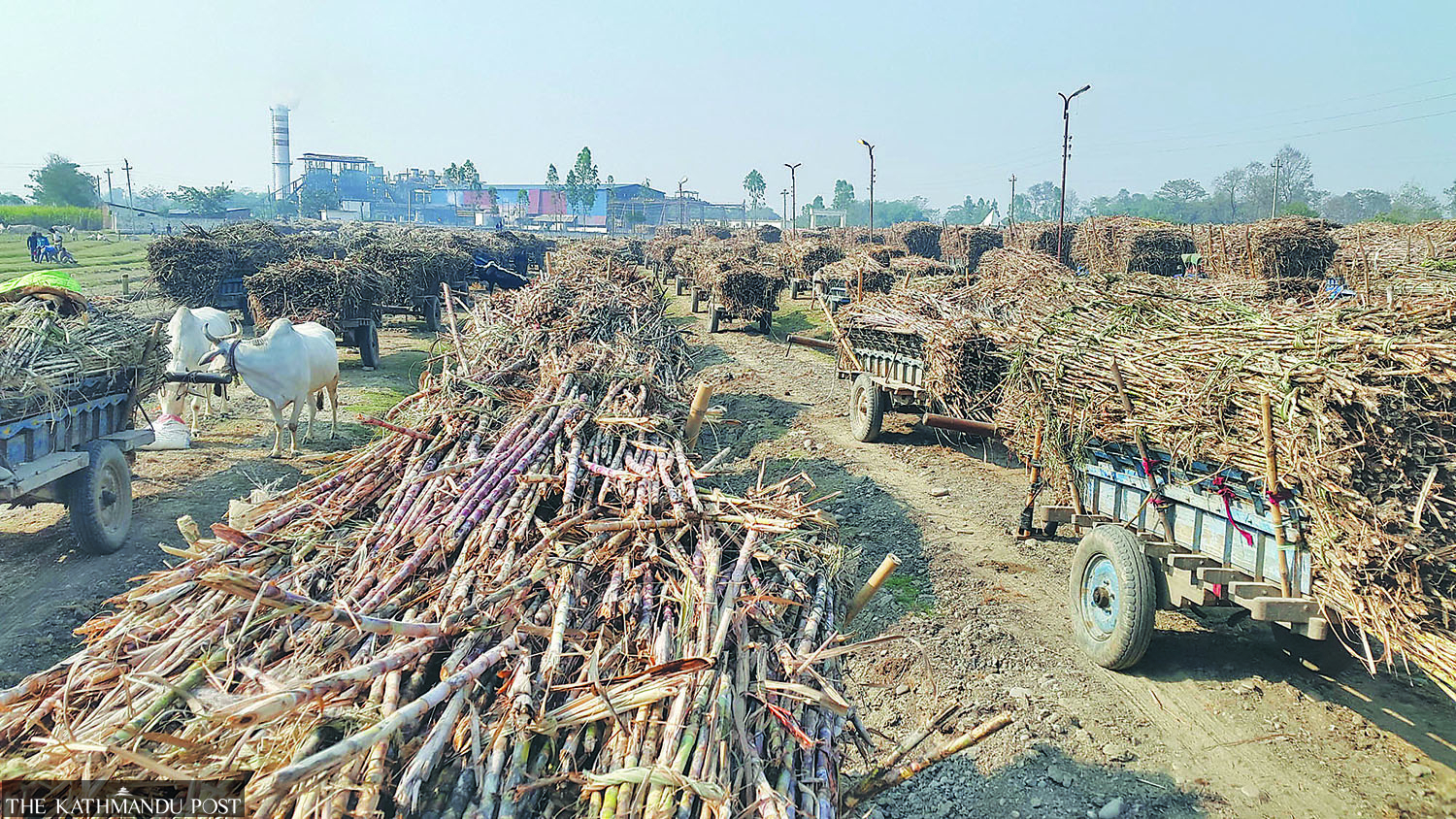
The government asserts that food grains will not be used for ethanol production, and only by-products such as molasses will be utilized. Minister Sinha expressed confidence that ethanol production would boost agricultural output, particularly of sugarcane, expand the use of agricultural land, and energize the domestic economy.
Govinda Prasad Karki, secretary at the Office of the Prime Minister and Council of Ministers, stated that the policy was advanced because its positive aspects outweighed the negatives. He emphasized that the government had analyzed both positive and negative aspects and ensured that the decision was not driven by industrial or political interests.
Chandika Prasad Bhatt, managing director of Nepal Oil Corporation, highlighted the availability of raw materials for ethanol production, including molasses from sugar mills, Napier grass, unused agricultural and forest biomass, straw, maize cobs, wheat husk, and yam. He stressed that grains meant for food are prohibited from being used for ethanol production.
Concerns and Future Steps
Madhav Timilsina, president of the Consumer Rights Investigation Forum, acknowledged the potential benefits for sugarcane farmers and employment but warned that consumer rights must remain central. He raised concerns about fuel quality after ethanol blending and the need for mechanisms to ensure purity above 99.5%.
Shivaram Pokharel, joint secretary at the Ministry of Industry, Commerce and Supplies, emphasized the need for public awareness campaigns to address consumer concerns. He noted that ethanol blending would not harm vehicle engines and would instead reduce carbon emissions.
Shashikant Agrawal, president of the Nepal Sugar Mills Association, pointed out that while the formation order has been issued, detailed procedures are still pending. He highlighted the potential of 12 sugar mills to produce up to 360,000 litres of ethanol daily if sufficient raw materials are available.
Despite these challenges, Nepal’s shift towards ethanol blending represents a significant step in its journey toward energy independence and environmental sustainability. The success of this initiative will depend on careful planning, stakeholder collaboration, and continuous monitoring to ensure that the benefits are realized without compromising food security or consumer interests.