The Impact of the US Supreme Court Ruling on Asian Trade Agreements
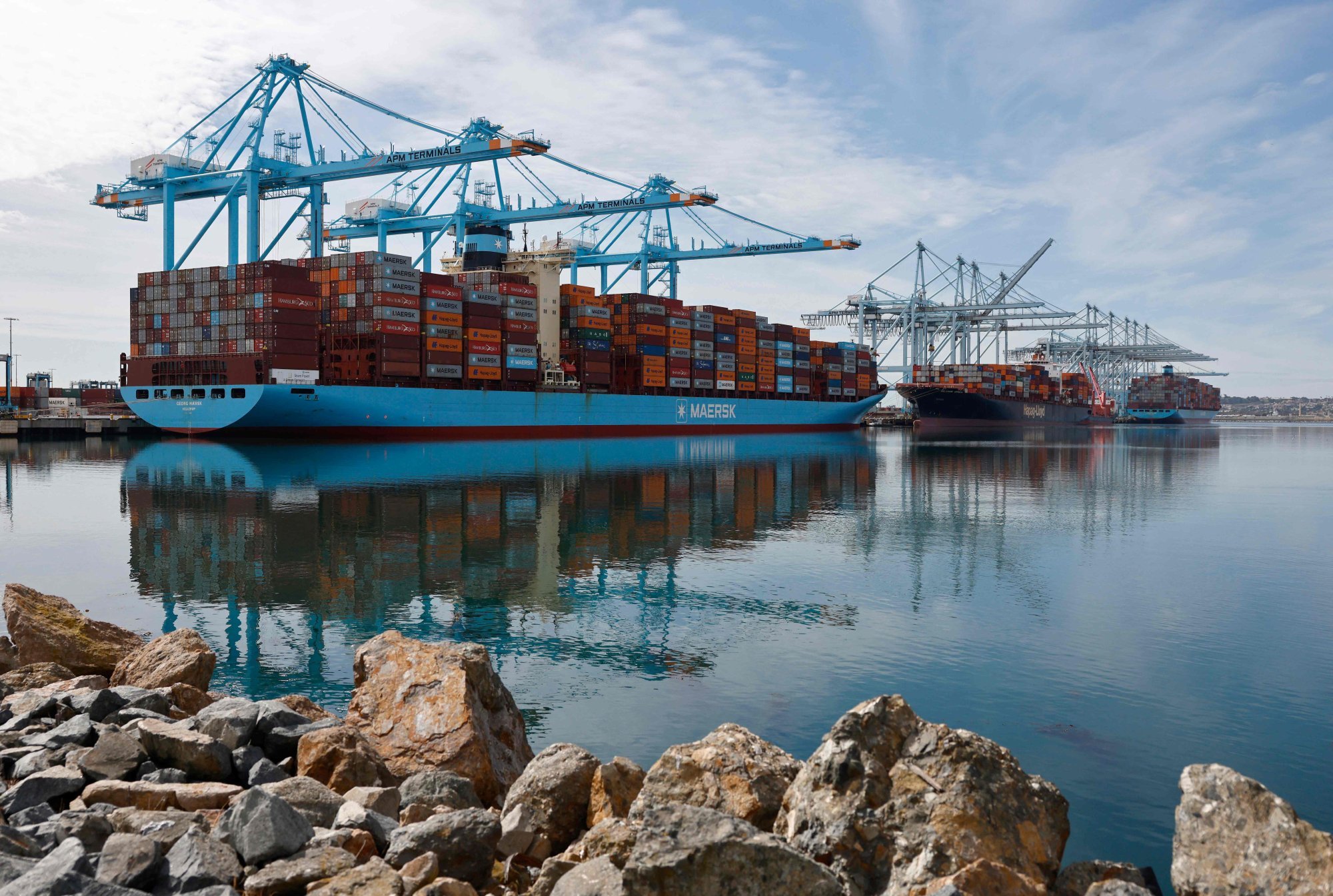
A recent ruling by the United States Supreme Court has sent shockwaves through the international trade community, particularly affecting Asian nations that have recently entered into trade agreements with Washington. The court’s decision struck down the legal basis for much of President Donald Trump’s tariff regime, raising questions about the validity and future of these agreements.
The International Emergency Economic Powers Act (IEEPA), which Trump had used to justify sweeping “reciprocal” tariffs since his “Liberation Day” proclamation in April, was found to not grant the president the authority to impose such duties. In response, Trump quickly invoked Section 122 of the 1974 Trade Act, imposing a blanket 15% tariff on all US imports. This move, while within the statute’s limits, has created uncertainty among trading partners.
Several Asian countries, including Indonesia, Malaysia, Vietnam, Cambodia, Bangladesh, and Pakistan, have accepted US import tariffs ranging from 19 to 20% in exchange for relief from threatened steeper duties. However, the sudden shift in US tariff policy has left many questioning the value of these agreements.
Wendy Cutler, senior vice-president at the Asia Society Policy Institute, noted that Asian partners may be reluctant to request renegotiation of their trade deals, fearing they might end up worse off. She emphasized that while the ruling could create opportunities for negotiation, it is also a complex situation requiring careful consideration.
India’s Strategic Pause
India has been particularly cautious in its approach. The country has postponed a trade delegation to Washington set for this week, which had been expected to finalize an interim agreement announced earlier this month. This interim deal referenced the now invalidated emergency tariffs, suggesting it may need to be re-drafted entirely.
According to a research note from ING Economics, other countries had also struck deals with Washington prompted by the revoked tariffs, but those were broader bilateral agreements not directly tied to the court ruling. This indicates that while some agreements may remain intact, others may require significant revisions.
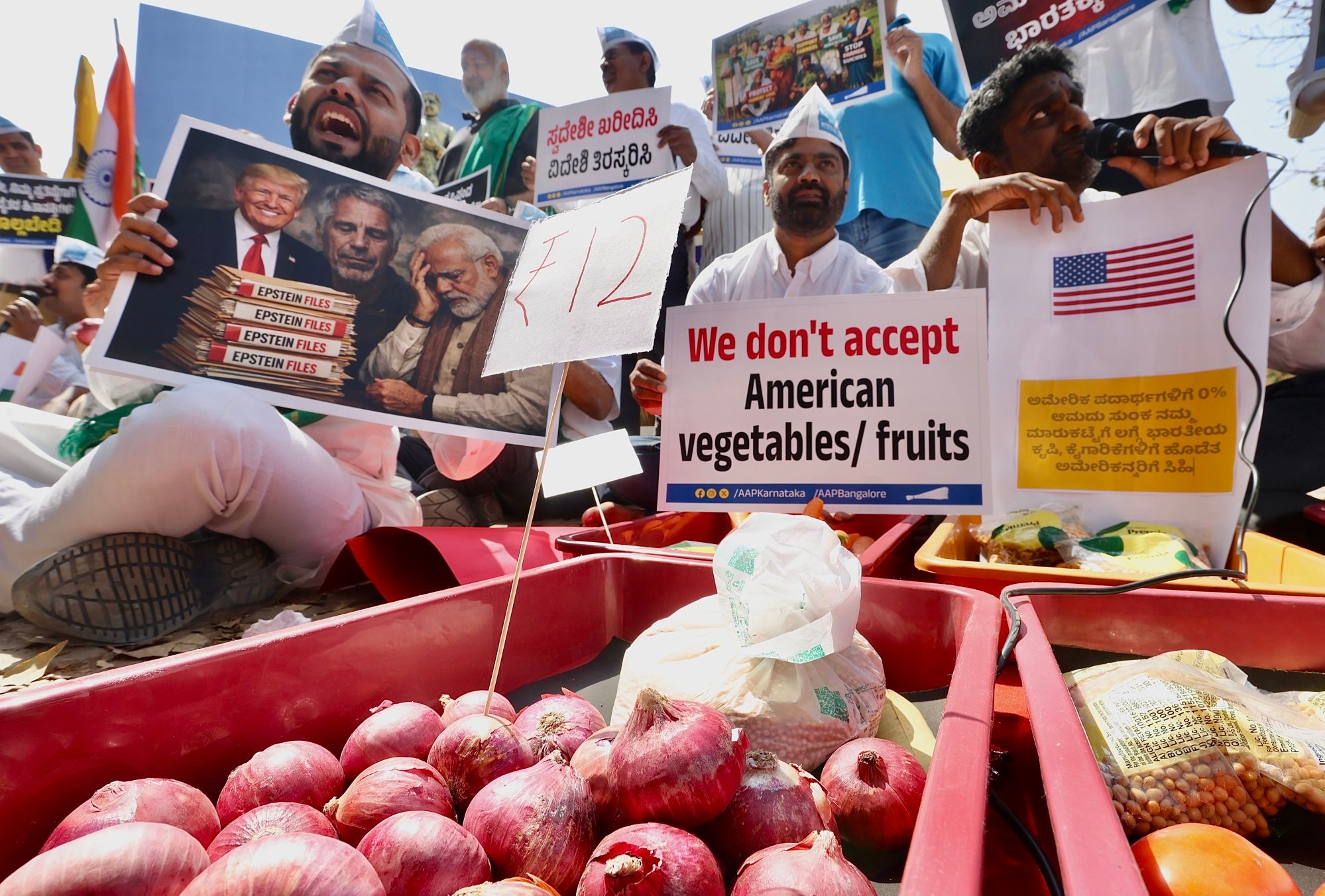
Biswajit Dhar, an economics professor at the Council for Social Development, suggested that the ruling could provide India with a potential negotiating opportunity. It might strengthen India’s position in resisting US pressure to liberalize its dairy and agricultural markets—sectors that are critical given the large number of people employed in farming or related sectors.
However, other Indian analysts advise caution. Vivek Mishra, deputy director at the Observer Research Foundation, cautioned against rushing to renegotiate. He pointed out that while India may be in a better position than other countries that have signed full deals, it is prudent to wait and see how events unfold.
Long-Term Implications
Brian Levitt, chief global markets strategist at Invesco, downplayed the long-term impact of the ruling on US tariff levels. He noted that other statutes grant the president broad authority to impose tariffs, meaning those previously enacted under IEEPA could simply be reimposed under different legal frameworks.
Gaurav Ganguly, head of international economics at Moody’s Analytics, highlighted the uncertainty the decision has introduced into the global economy. Countries with US trade deals are now wary of their next steps, with some opting to slow-walk the ratification and implementation of agreements.
Trump’s New Tools
Under IEEPA, Trump had been able to threaten tariffs in response to a wide range of disputes, giving the White House a powerful tool for coercion. With the ruling, this go-to tool is no longer available, though Trump has quickly sought alternatives.
On his Truth Social platform, Trump announced the activation of the 1974 Trade Act and initiated multiple Section 301 and other investigations to protect the US from “unfair trading practices.” This move mirrors the legal mechanisms used in US-China trade disputes, some of which are still ongoing.
Wendy Cutler noted that it is too early to tell which, if any, Asian countries benefit from this ruling. She pointed out that the scope and timing of new Section 301 investigations remain unclear, making it difficult to assess the full impact.
Political Fallout
The Supreme Court decision comes less than 10 months before the US midterm elections, which will determine whether Trump’s Republican Party maintains its congressional majority. This political context adds another layer of complexity to the situation.
Mishra warned that the political impact could be potentially disastrous for Trump, but he cautioned countries against jumping to conclusions. Any new US tariff offensive will face a higher legal bar, as Section 232 actions require formal national security investigations before duties can be imposed.
Jamus Lim, an associate professor at ESSEC Business School, noted that while the Trump administration may try to reintroduce discriminatory tariffs, this will take time. The possibility of a less pliant Congress following the midterm elections further complicates the reimposition of tariffs.
As the situation unfolds, Asian nations continue to navigate the uncertainties of a rapidly changing trade landscape. The coming months will be critical in determining the future of these agreements and the broader implications for global trade relations.