
Iran’s Leadership Crisis Intensifies
Iranian hardliners have criticized President Masoud Pezeshkian for his apology to Gulf nations, calling it a sign of weakness. Prominent members of parliament and conservative figures in Tehran expressed their disapproval, stating that the president’s statement was “humiliating” given the numerous ballistic missiles and drones launched by Iran against its neighbors.
Hamid Rasaee, an Iranian parliament member, led the backlash against the president, suggesting that the temporary leadership should be replaced with a new supreme leader immediately. In a televised address, Mr. Pezeshkian, 71, apologized to neighboring countries affected by Iran’s actions and urged them not to support the US in launching air strikes. He referred to the UAE, Saudi Arabia, and Bahrain as “brothers” and claimed that Iran did not intend to attack them following recent strikes.
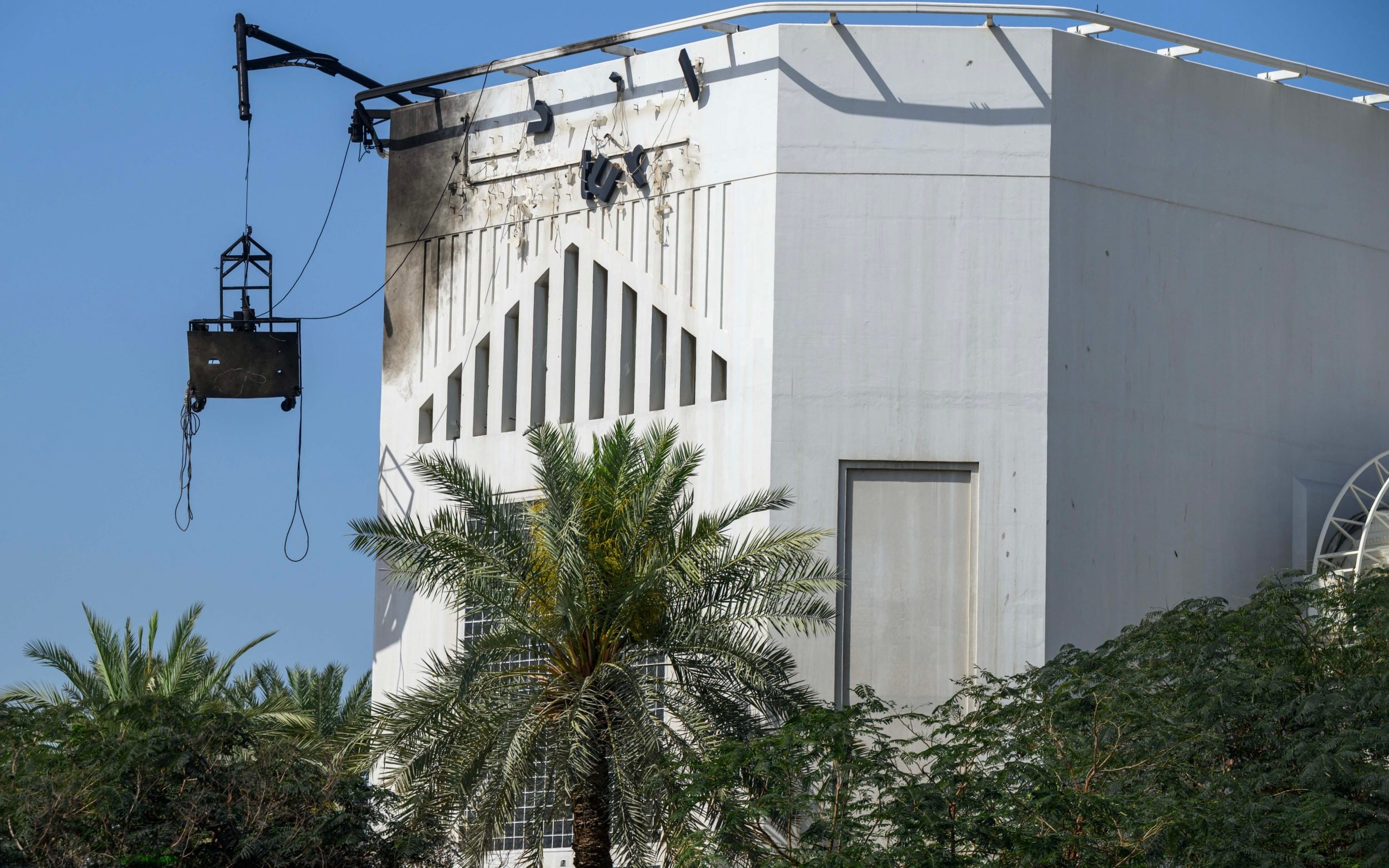
However, within hours of his statement, there were fresh attacks on the UAE, with 16 missiles and 120 drones fired at the Gulf state. The Islamic Revolutionary Guard Corps (IRGC) stated that any aggression against Iran would be met with heavy retaliation. A skyscraper in Dubai was hit by debris from an intercepted Iranian missile, causing a fire. Other debris fell on a car in the Al Barsha area, killing the driver.
These attacks undermined the president’s apology and highlighted the growing divide within the Iranian leadership, raising questions about who is truly in control of the country.
Leadership Struggles and Political Tensions
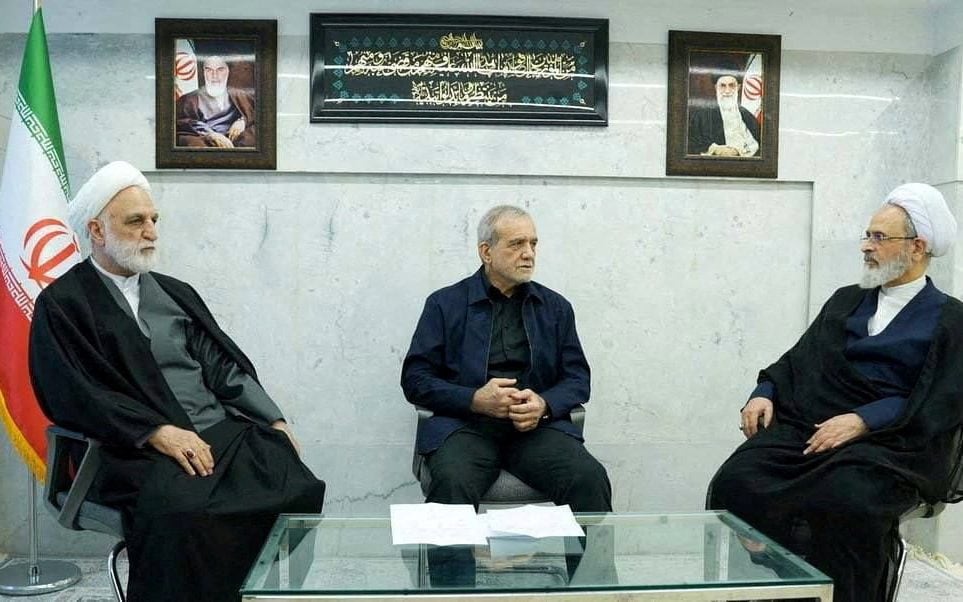
Alongside Gholam-Hossein Mohseni-Ejei, head of the judiciary, and Ayatollah Alireza Arafi, Mr. Pezeshkian is one of three individuals on Iran’s interim leadership council. Mr. Rasaee criticized the president’s remarks, stating that they made it clear to the presiding board of the Assembly of Experts that the activities of this temporary council must end soon. He emphasized the need to introduce a new Supreme Leader and protect the revolution of Imam Khomeini and the martyred Imam Khamenei.
Mohammad Manan Raeisi, another MP, described the comments as “humiliating” and called for a quick selection of a new leader. He questioned why neighboring countries had not taken action against Iran’s enemies, suggesting that Iran’s military should have targeted those bases and assets.
Ebrahim Azizi, head of the Iranian parliament’s national security and foreign policy committee, claimed that all US and Israeli bases in the region are “legitimate and lawful targets” in the ongoing conflict. He stated that the Islamic Republic has no red line in defending its national interests and that the battle continues.
Escalation of Attacks and Regional Impact
Iran began the eighth day of the war with a barrage of missiles and drones targeting its neighbors before Mr. Pezeshkian issued his apology. Drone attacks were launched against the United Arab Emirates, Bahrain, and Saudi Arabia after Tehran was struck by Israeli warplanes.
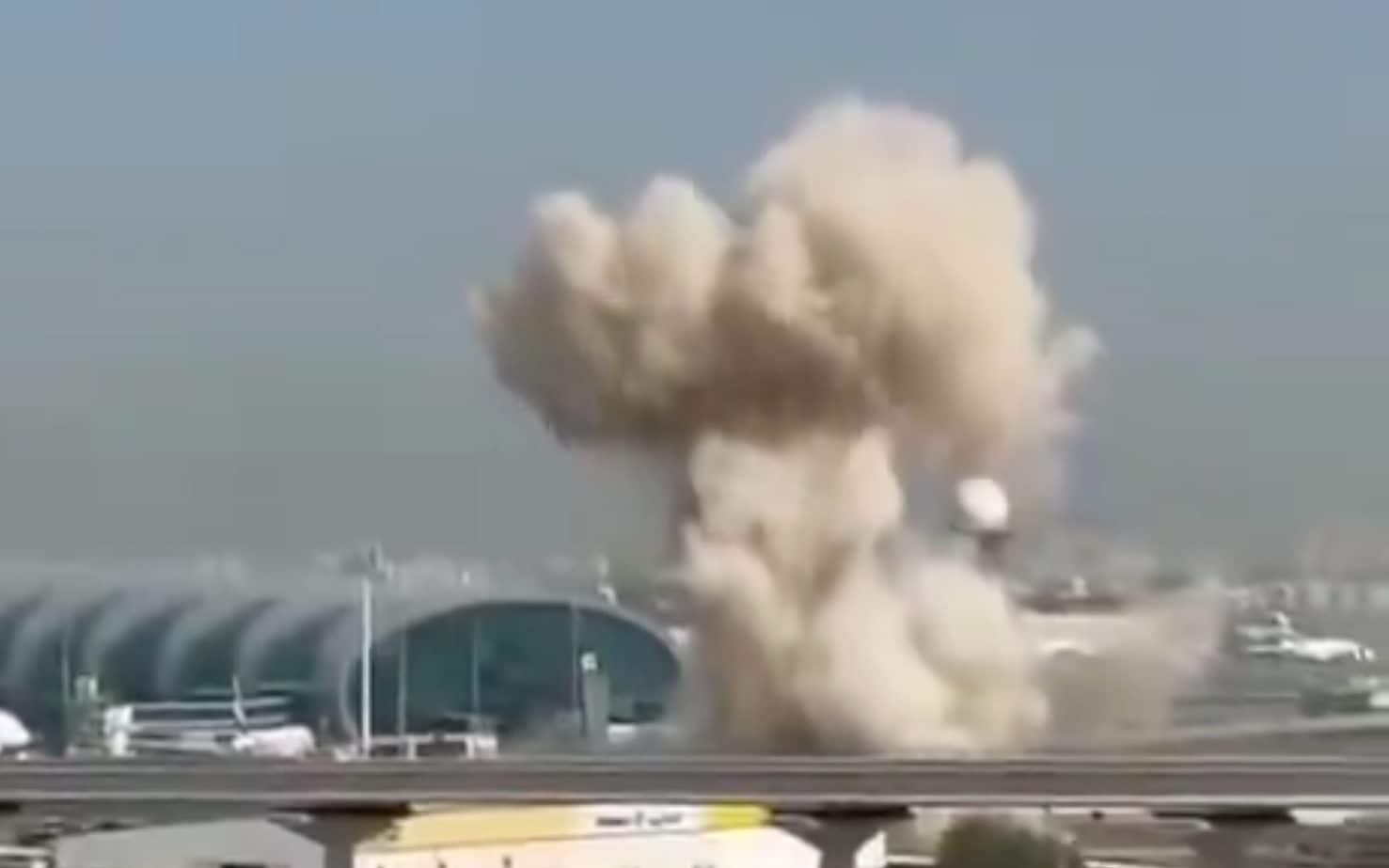
Dubai International, the world’s busiest international air hub, was forced to suspend flights as a drone targeted the airport. Bahrain airport was also closed, while Saudi Arabia reported stopping four drones attacking the country’s Shaybah oil field on Saturday.
Since the war began on Feb 28, Iran and its terrorist proxies have attacked Bahrain, Qatar, Kuwait, the UAE, and Oman, resulting in several deaths and numerous injuries. The US has a presence in all the targeted countries, and according to Gulf defense ministries, Iran has fired more than 500 ballistic missiles and 1,500 drones at its neighbors.
The regime has been struggling since the killing of Ayatollah Ali Khamenei, the supreme leader, on the opening day of the war. Iranian forces have suffered significant losses on land, sea, and in the air. The president, who took office in July 2024 after being endorsed by Khamenei, sought to reassure Gulf nations that Iran would not attack them unless they struck first.
“I personally apologize to the neighboring countries that were attacked by Iran,” he said. “We do not intend to attack neighboring countries. As I have repeatedly said, they are our brothers. Those considering exploiting this moment to attack Iran must not become puppets of imperialism.”
Donald Trump, the US president, noted the apology but suggested that Iran’s actions were driven by the relentless US and Israeli attacks. He stated that Iran would face severe consequences for its actions.
New Supreme Leader to Be Chosen Within 24 Hours
Anger within Iran over the president’s comments coincided with the country’s Assembly of Experts preparing to convene within 24 hours to select a new supreme leader. A member of the clerical body announced the timeline, marking the first specific commitment to moving forward with succession after an eight-day delay.
“The people’s representatives in the Assembly of Experts, like you, are impatiently waiting for the conditions for holding a meeting and consultation to select a new leader and successor to the martyred imam to be provided so they can properly fulfill their historic and fateful mission,” Ayatollah Hossein Mozaffari said.
“We firmly hope that with divine grace, this will happen in the next 24 hours,” he added, expressing hope that the selection would “pour water on the fire ignited in the hearts of the faithful.”
The announcement is the most explicit commitment yet to moving forward with succession, addressing speculation about whether a leader had been secretly chosen but remained unannounced to protect him from US-Israeli strikes that have killed senior officials.
Ayatollah Mozaffari emphasized that “no general meeting has been held yet and no election has taken place,” urging people to avoid speculation and spreading rumors in this regard.

Related posts:
From Madina Old Road to the marketing boardroom: This is Dinah Asabea Darko

My 33-Year Battle with Idumota Marketers: The Unfiltered Journey of Queen Oluwa

What Governments Must Do Before Transitioning to the 12-Year Compulsory Education Model – Analysts


Beyond the Bill: Can Nigeria’s States Forge Effective Police Forces?