Nigeria’s Ambitious Agricultural Strategy Faces Funding Challenges
In a packed hall in Abuja last Thursday, Nigeria’s agricultural establishment gathered to witness what officials described as a turning point for the nation’s food system. The Minister of Agriculture and Food Security, Senator Abubakar Kyari, stood before the Agrifood System Working Group (ASWG) to unveil a 10-year Agrifood System Strategy and Action Plan – a document that, he insisted, would finally move the country beyond the cycle of pilot projects and fragmented interventions that have long hampered progress.
“The President has given us a clear and urgent charge: to move beyond rhetoric, beyond pilot projects, and beyond fragmented interventions, and instead deliver a coherent, bankable, and implementable plan that will fundamentally transform Nigeria’s agrifood system for the long term,” Kyari declared.
The strategy, developed under the Comprehensive Africa Agriculture Development Programme (CAADP) Kampala Declaration (2026–2035), represents a shift in approach. Rather than treating agriculture as a collection of isolated projects, the plan adopts an integrated food systems framework that encompasses production, processing, markets, resilience, investment, nutrition and governance. It is an ambitious blueprint, one that President Bola Tinubu has elevated to a national security priority. Yet even as the minister spoke, a shadow hung over the proceedings: the question of whether Nigeria’s notoriously underfunded agricultural sector can marshal the resources needed to translate vision into reality.
The CAADP Kampala Declaration, signed by African heads of state, commits signatories to a series of measurable targets by 2035: increasing agrifood output, tripling intra-African trade in agrifood products, halving post-harvest losses, improving nutrition outcomes, mobilising $100 billion in investments, and narrowing the gender productivity gap. Kyari identified governance as the foundation of success. “Strong coordination, effective institutions and accountability mechanisms will determine the success of Nigeria’s implementation plan,” he said.
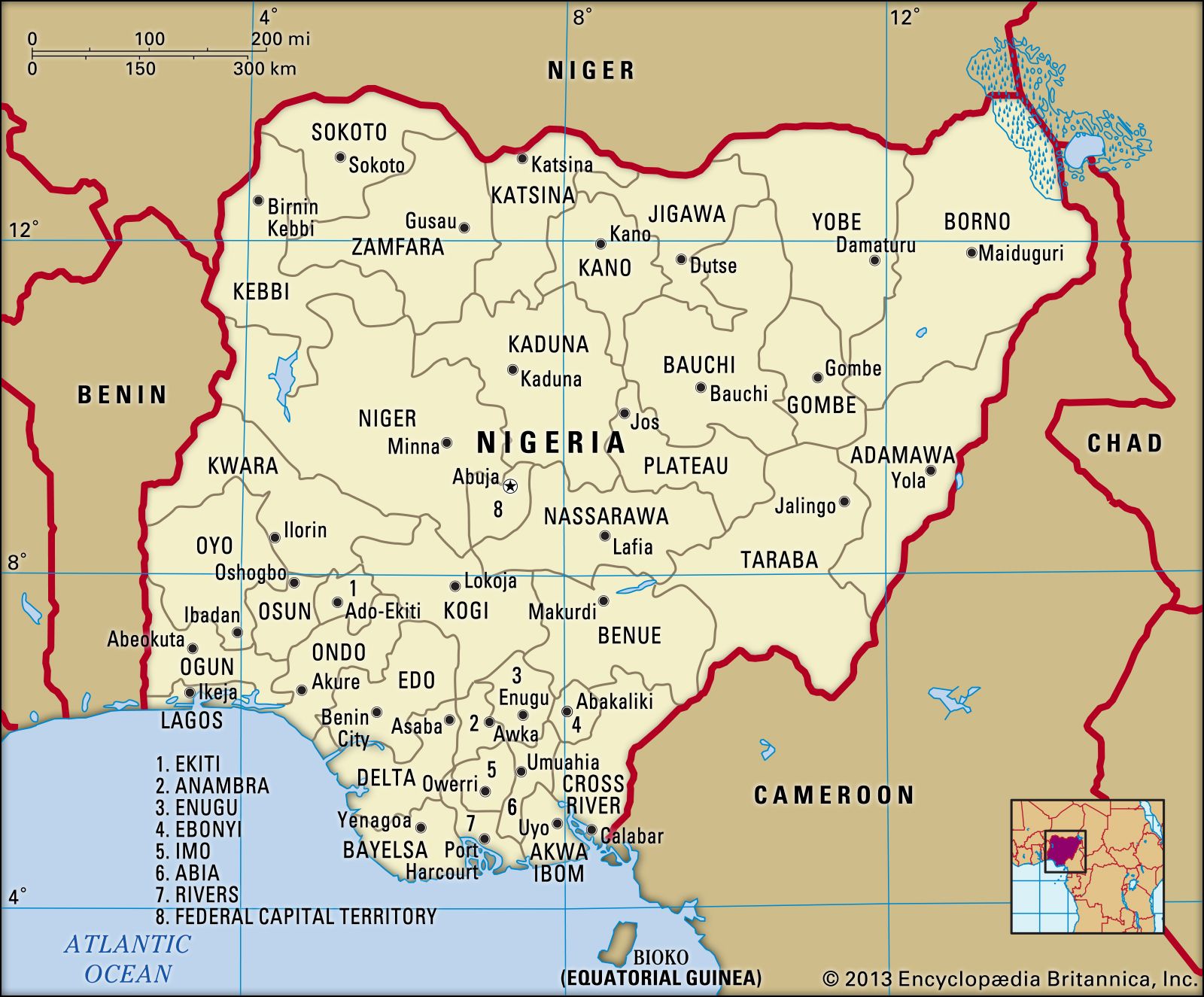
Nigeria’s plan, developed through consultations across all six geopolitical zones, will be presented for stakeholder adoption before being forwarded to the Federal Executive Council for approval. Once approved, it would compel all ministries, departments and agencies to align their budgets and programmes with the transformation vision. On paper, it is a coherent document. But agriculture in Nigeria has long suffered from a gap between policy ambition and fiscal reality.
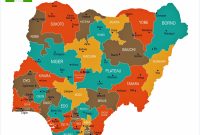
The most arresting intervention at the meeting came not from a government minister but from a civil society analyst. Azubike Nwokoye, Food Systems Specialist at ActionAid Nigeria, presented findings from a newly developed dashboard that tracked agricultural capital spending across all 36 states and the Federal Capital Territory between 2023 and 2025. The data painted a grim picture. “The findings are not encouraging. Between 2023 and 2025, Nigeria has performed poorly in terms of capital spending on agriculture,” Nwokoye said.
His analysis showed that in 2025, only ten states achieved high performance in agricultural capital expenditure; sixteen states recorded very low performance, while eight registered medium performance. The combined allocation for 2026 across all states and the FCT stood at just 4.58 per cent of total budgets – less than half the 10 per cent benchmark set under the Maputo, Malabo and Kampala commitments. “As a country, we must act quickly, including through complementary budgets where necessary, if we are to meet these commitments,” Nwokoye warned.
The data also revealed a paradox: underfunding coexists with significant potential returns. ActionAid’s modelling suggests that if states fully implement their 2026 agricultural budgets, Nigeria could generate approximately 1.4 million direct quality jobs at state level, with federal spending adding another 2.1 million, for a combined potential of 3.5 million jobs. “Increasing investment would raise this figure significantly,” Nwokoye said. The organisation plans to transmit its findings to state governors in the hope of spurring greater commitment.
Any serious discussion of Nigeria’s food system must reckon with the scale of its smallholder population. The Minister of Budget and Economic Planning, Senator Atiku Bagudu, reminded the audience that more than 42 million agricultural households form the backbone of the sector – most of them smallscale, family-based producers. “For us to achieve our objectives, we must ensure that these 42 million agricultural households thrive,” he said.
Bagudu pointed to ongoing reforms: the creation of a Ministry of Livestock Development, the establishment of the National Agricultural Development Fund, and increased support for agricultural land development. He also noted that the constitution itself, under Section 16, recognises food security as a state responsibility. But he acknowledged that global headwinds – rising energy costs, expensive fertiliser, disrupted supply chains – have made the task harder.
“Nigeria’s greatest strength lies in its private sector-driven agricultural system,” he said. The government’s role, he argued, is to create an enabling environment where agriculture becomes profitable, modern and productive.
One of the most pointed contributions came from the Minister of Women Affairs, Hajiya Imaan Sulaiman-Ibrahim, who insisted that gender equity is not optional under the Kampala framework. The declaration requires countries to halve the gender productivity gap by 2035. “Closing the gender gap in agriculture is not a request from the Ministry of Women Affairs. It is an obligation under the declaration that Nigeria has already signed,” she said.
Sulaiman-Ibrahim noted that millions of women farmers are disadvantaged by limited access to land, credit, inputs, extension services and mechanisation. “We are not dealing with underperforming farmers. We are dealing with under-resourced farmers,” she declared. Programmes such as the Nigeria for Women Programme and the Women Agro Value Expansion (WAVE) Initiative have improved participation and earnings, she said, but urged the ASWG to establish measurable gender targets, improve sex-disaggregated data, and ensure women benefit from government support.
The newly created Ministry of Livestock Development also made its voice heard, with its minister arguing that livestock should no longer be treated as a secondary component of agriculture. He called for investment in animal health, veterinary infrastructure, disease surveillance, genetic improvement, feed development, processing facilities and climate-smart production systems – describing the sector as a strategic engine for rural transformation. It was a sign that Nigeria is beginning to take a more holistic view of its agrifood system, one that integrates crops, livestock and the people who depend on them.
Underpinning the entire strategy is the Agrifood System Working Group itself. The Permanent Secretary of the Ministry of Agriculture, Dr Marcus Ogunbiyi, described the ASWG as the technical platform for coordinating policies, monitoring implementation and ensuring that commitments translate into measurable results. Challenges such as climate change, insecurity, post-harvest losses, inadequate infrastructure and limited financing, he said, require collaboration across government, private sector, research institutions and development partners.
Ogunbiyi gave the gathering a working definition of the ultimate goal. “Food sovereignty means Nigerians eating what we grow and growing what we eat. It means building a resilient food system that guarantees every citizen physical and economic access to safe, nutritious and affordable food,” he said. It was a phrase that resonated throughout the day’s proceedings.
In a development that lent credibility to the government’s efforts, the International Fund for Agricultural Development (IFAD) confirmed that Nigeria has become the first African country to develop a national strategy and action plan for domesticating the CAADP Kampala Declaration. IFAD described the milestone as a landmark achievement that places Nigeria at the forefront of implementing Africa’s agricultural transformation agenda.
The organisation praised the inclusive and consultative process that produced the strategy, noting collaboration with the African Development Bank, AGRA, the International Food Policy Research Institute (IFPRI), the Food and Agriculture Organisation, and the World Bank. IFAD highlighted the strategy’s mainstreaming of climate resilience, nutrition, gender equality, youth empowerment, and support for vulnerable groups including persons with disabilities and internally displaced persons.
Importantly, the strategy embraces digital agriculture – including digital farmer registries, climate advisory services, electronic extension services, digital financial platforms and market information systems. IFAD said embracing digital innovation will improve productivity, expand market access, enhance transparency and equip millions of farmers with modern solutions.
The meeting in Abuja brought together senior officials from the African Union, the World Bank, the African Development Bank, GIZ, AGRA, research institutions, farmers’ organisations, private sector actors and civil society groups. It was a testament to the breadth of support for the transformation agenda. But as the speeches ended and delegates filed out, the hard questions remained. Nigeria has a plan, a continental first, and political backing at the highest level. What it lacks is a track record of sustained investment.
The 4.58 per cent allocation stands as a glaring gap between rhetoric and resources. The 42 million smallholder households still lack access to credit, land, and modern inputs. Women farmers remain systematically marginalised. And the global economic environment, with its rising costs and supply pressures, offers no respite.
Yet there are grounds for cautious optimism. The strategy itself is genuinely comprehensive. The political will at the ministerial level appears genuine. International partners have lined up behind it. And the ActionAid analysis, stark as it is, also points to a clear upside: every percentage point increase in agricultural spending translates into hundreds of thousands of jobs.
As Dr Ogunbiyi put it, food sovereignty is the ultimate goal. Whether Nigeria can achieve it will depend not on the elegance of its strategy documents, but on the willingness of its governments – federal and state – to put money behind the words. The plan is on the table. The test now is execution.