The Impact of Peer-on-Peer Abuse on a Family
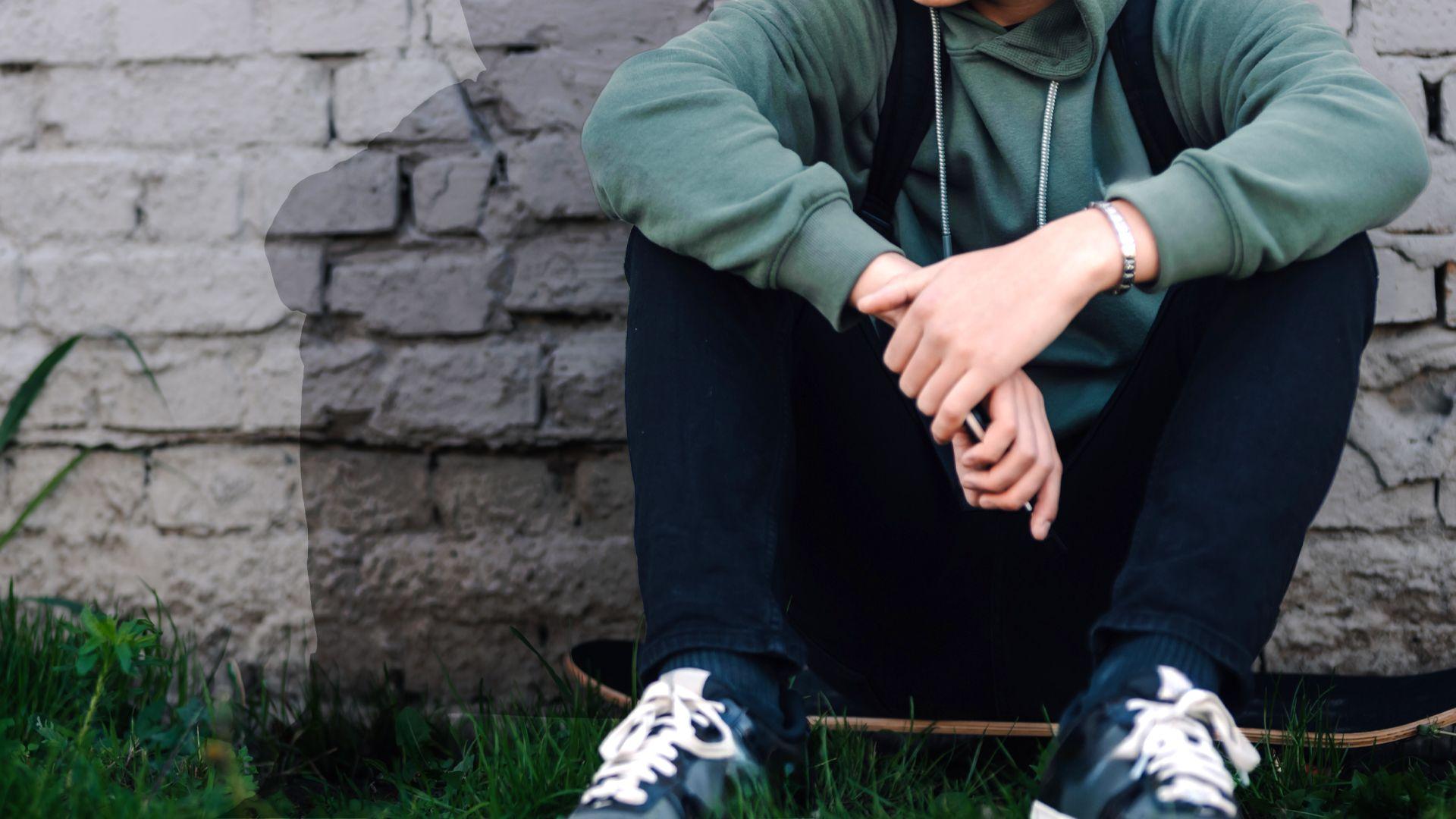
A mother whose son was sexually abused by another child has shared how the incident has left her family permanently changed. She described the experience as having a “devastating impact” on their lives, with her son now dealing with “extreme trauma and stress.” According to her, the ordeal has made her son feel that his life will “never be the same again.”
The mother, who prefers to remain anonymous along with her son, explained that the abuse has affected the entire family. Both she and her husband have undergone counseling and are receiving support for anxiety. They also take medication to help them sleep.
She emphasized the importance of education around peer-on-peer abuse, which she admits she never considered discussing with her children. “I always focused on adults being inappropriate, but I never thought to warn them about their own friends,” she said. The experience has left the family in shock, struggling to come to terms with the fact that such an event could happen without their knowledge.
Rising Numbers of Referred Children
New data reveals that 231 young people in Northern Ireland were referred to health trusts between 2024 and 2025 after exhibiting harmful sexualized behaviors. These behaviors include anything that is developmentally inappropriate and potentially abusive, such as abuse of other children.
While the exact number of cases involving both an underage suspect and victim is not known due to the way statistics are collected, experts believe the rise in reports may be linked to increased awareness and the use of social media.
The Role of Technology and Social Media
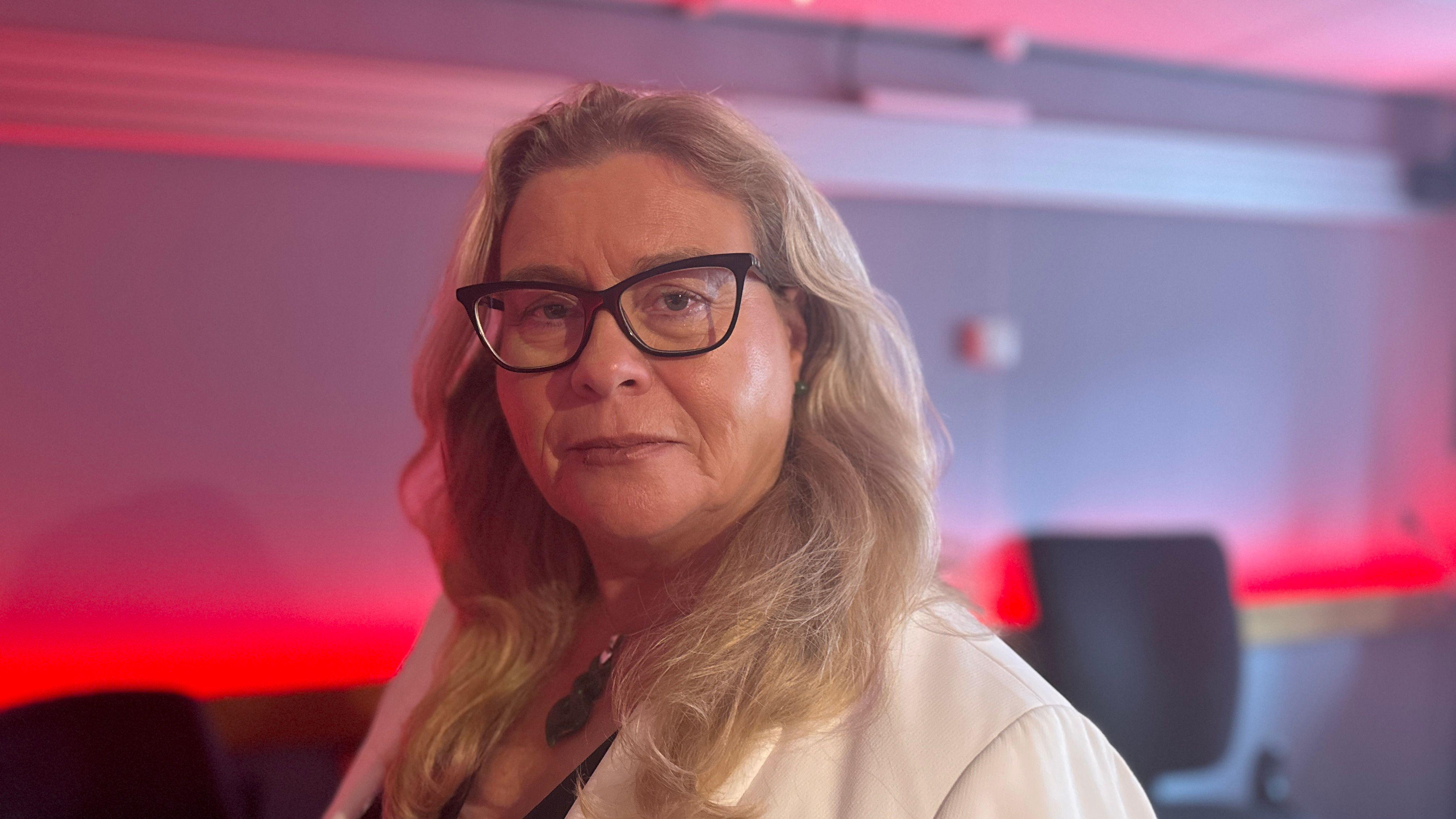
Experts suggest that technology and social media play a significant role in the increasing number of peer-on-peer abuse cases. Marcella Leonard, an independent social worker, highlighted that children today are exposed to more online content, including AI-generated explicit images. For example, police recently investigated the creation of such images at a school in Armagh.
Leonard pointed out that the behavior can range from children being exposed to inappropriate content to being coerced into sharing imagery. She also noted that some children may not understand the consequences of their actions, especially if they have neurodiversity or learning disabilities.
Understanding the Motives Behind the Behavior
Leonard stressed the importance of understanding why children engage in harmful sexual behavior. It could be because they have experienced abuse themselves, or they may not fully comprehend what they are doing. In some cases, children may intentionally cause harm to others.
Despite these challenges, she believes that children today are more confident in coming forward about their experiences. “All of us make mistakes as children, and we have to allow them to learn and change their behavior,” she said.
The Need for Better Education
Leonard emphasized that good education is crucial in addressing these issues. For some children, comprehensive sex education can help prevent harmful behavior. However, she noted that for others, it may take longer, and they might repeat the behavior.
She criticized the current state of relationships and sex education (RSE) in Northern Ireland, arguing that it is not “good enough” and should not be influenced by religion. The Department of Education (DE) stated that there has been “significant investment” in RSE resources for schools, but the actual content taught varies depending on each school’s ethos.
The Role of Schools in RSE
Every school in Northern Ireland is required by the DE to teach RSE. However, the specific content is determined by each school based on its values. This has led to criticism, with some arguing that certain aspects of the curriculum need improvement.
A DE spokesperson confirmed that all students, regardless of gender or faith, have access to RSE programs. They added that schools must develop policies in consultation with parents and pupils, ensuring that they address harmful behaviors and support children in recognizing and reporting peer-on-peer abuse.
Moving Forward
As the conversation around peer-on-peer abuse continues, there is a growing call for better education, greater awareness, and more support for families affected by such incidents. With the right resources and guidance, it is hoped that children can learn to navigate their relationships and behaviors in a safer, more informed way.