A Rare and Controversial Transfer
In the summer of 1998, the usually calm environment at the Hong Kong Monetary Authority’s headquarters in Citibank Tower was disrupted as regional currencies collapsed like dominoes. Speculators had shorted currencies such as the Thai baht, the Indonesian rupiah, and the Korean won, profiting handsomely. The contagion seemed poised to bring the Hong Kong dollar to its knees. As stories from that time recount, the sweltering month of August saw “wolves” at the gates.
International hedge funds launched a deadly “double play” — simultaneously shorting the Hang Seng Index and dumping the Hong Kong dollar. They bet that the de facto central bank’s strict rules would force interest rates to remain high, leading to a stock market collapse and a billion-dollar payday for them.
For two weeks, the city’s financial leadership was locked in a high-stakes war room. The decision they faced was an ideological heresy: should a “laissez-faire” government intervene directly in the stock market?
With absolute secrecy and the “firepower” of the Exchange Fund, they orchestrated a defensive maneuver. Three of the largest stockbrokers were invited to breakfast at the China Club in Central and sworn to secrecy as they were tasked with buying on the authority’s behalf.
The HKMA unleashed its spending power over 10 days. Finally, on a single Friday, it absorbed an avalanche of sell orders, spending HK$79 billion in five hours to break the speculators’ backs. That “August war” cost HK$118 billion in total, but it bought something more valuable — a reputation for the Exchange Fund as the city’s ultimate, untouchable “war chest.”
Today, that chest is being opened again. This time, it is not to beat off a raid but to build a city — at least according to the financial secretary.
Landmark Transfer
It was inevitable that the spectre of 1998 was raised last month when finance chief Paul Chan Mo-po announced a landmark HK$150 billion transfer from the Exchange Fund to the Capital Works Reserve Fund in his budget speech. The sum — to be withdrawn over two years — is to bankroll the Northern Metropolis and other critical infrastructure projects.
This will be the first such transfer in 42 years. The rarity of a move involving the Exchange Fund and the scale of the withdrawal sparked a fierce debate, with reminders of the ghosts of 1998 thrown in, never mind that the motivations are vastly different.
At the heart of the debate lay two intertwined issues: the state of the city’s fiscal health and future fiscal discipline.
While the government officially reported a modest HK$2.9 billion surplus for the past financial year, that figure was boosted by bond proceeds, debt positions that are new to the administration. Without them, Hong Kong would be staring at a HK$100.4 billion underlying deficit. To the city’s critics, tapping the war chest now looked less like a strategic investment and more like a tactical move to patch a hole.
The withdrawal from the Exchange Fund also elicited calls for a spending cap to ensure discipline and greater oversight, even as others warned that any dipping into it had to be done with extreme caution. They argued that the current geopolitical uncertainties and the risk of being excluded from Swift — a secure financial messaging network that facilitates cross-border payments — made the protection of the “war chest” more vital than ever.
The System’s Architect
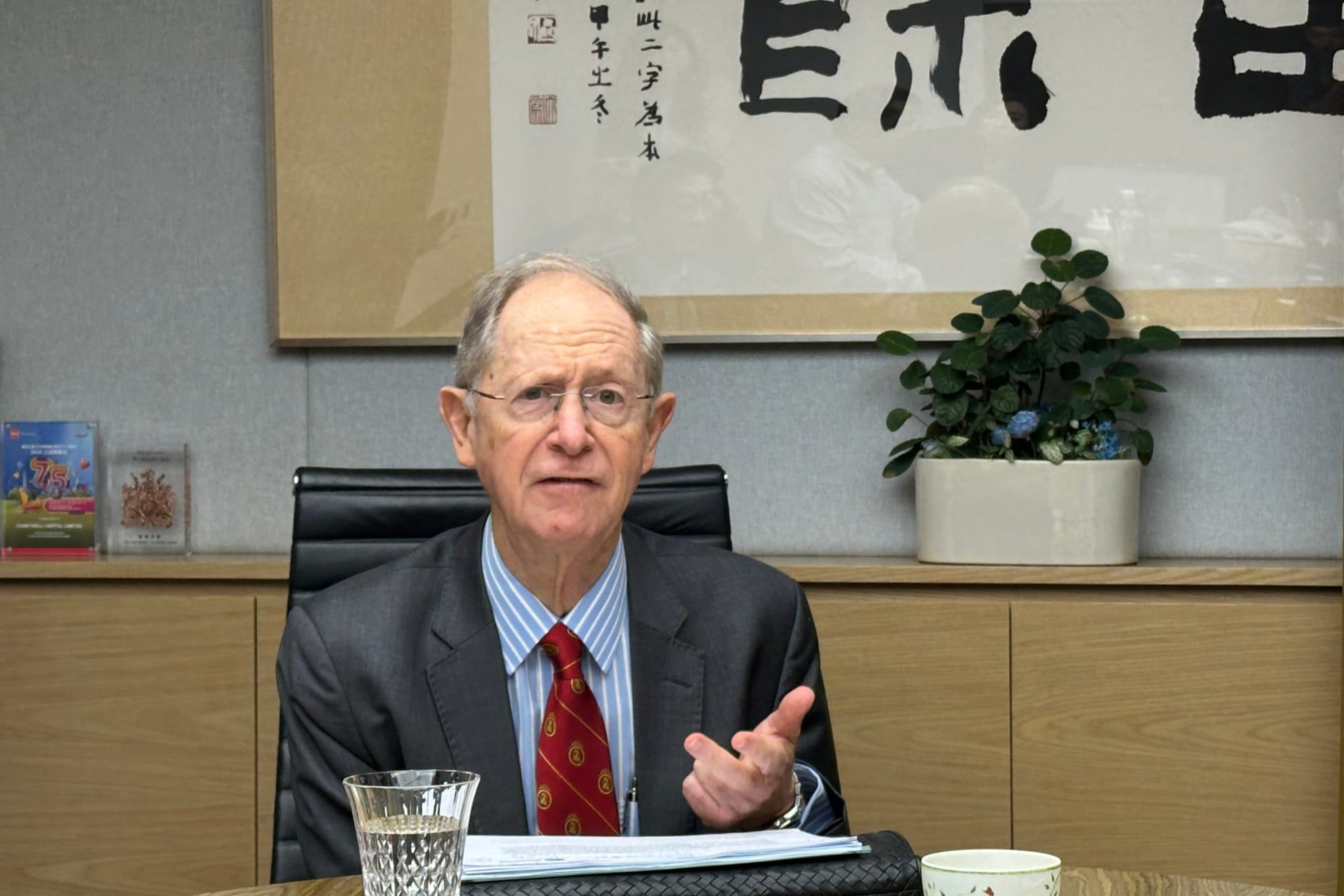
The system’s architect, however, has a different view. John Greenwood, the economist who helped to design the dollar peg, known officially as the Linked Exchange Rate System, dismissed the current public outcry as a gross overreaction in an interview with the South China Morning Post.
“I think it’s wrong to use the kind of language of [opening] a Pandora’s box,” he said. “There’s no great virtue in just having a pot of money sitting there if it isn’t going to be used for the benefit of Hong Kong citizens.”
He maintained that the current framework remained robust, cautioning that rigid caps could undermine the unmatched simplicity and global convertibility of the US dollar link.
The Fund and the Dollar Peg
Historically, transfers out of the Exchange Fund are rare and significantly smaller in scope. The first, in 1964, moved HK$150 million to the Development Loan Fund. This followed a 1963 audit showing the fund’s assets exceeded liabilities by 142 per cent, prompting an amendment to the Exchange Fund Ordinance to allow for the transfer of surplus capital.
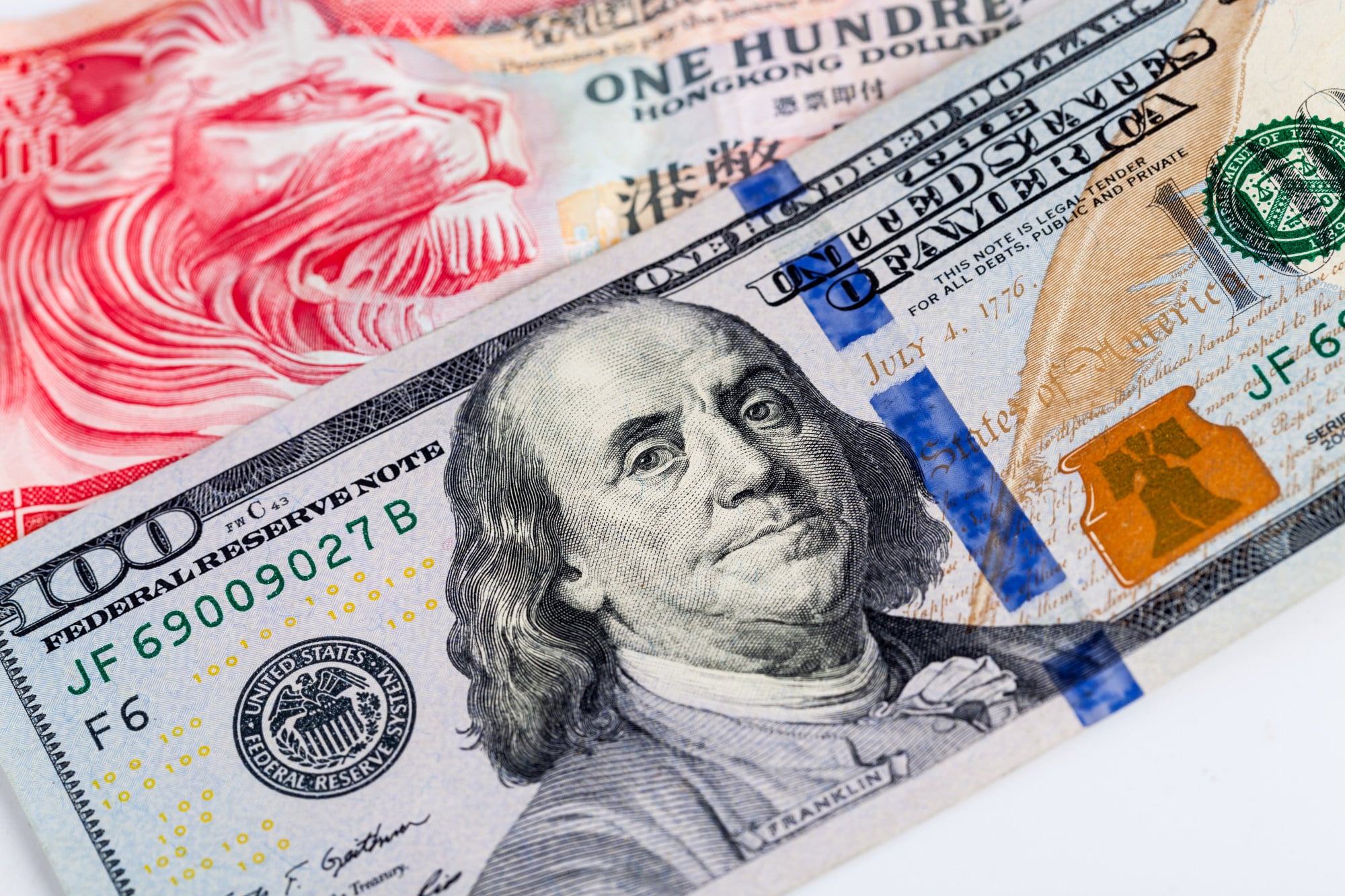
The latest transfer, however, was motivated by different impulses, analysts said. For a start, it departs from the previous “reactive” mode of accounting adjustments. More significantly, the HK$150 billion proposal casts the city’s monetary bedrock in a new light — as a strategic instrument for underwriting Hong Kong’s long-term economic development, they said.
Cap the Reserves?
Still, some experts are calling for a fundamental shift in how the fund’s surplus is managed. Terence Chong Tai-leung, an economics professor at CUHK, called for “capping” the fund’s size and diverting excess interest income to the treasury.
“There is an optimal reserve to defend the peg. Beyond that, it creates a social cost as the money could be better used for investing in infrastructure,” Chong said. “It is certainly not ‘the more the better’. If all the money made is just put there to defend the peg, it is a waste. We do not need that much. Otherwise, there is no end.”
‘Plan B’ Needed?
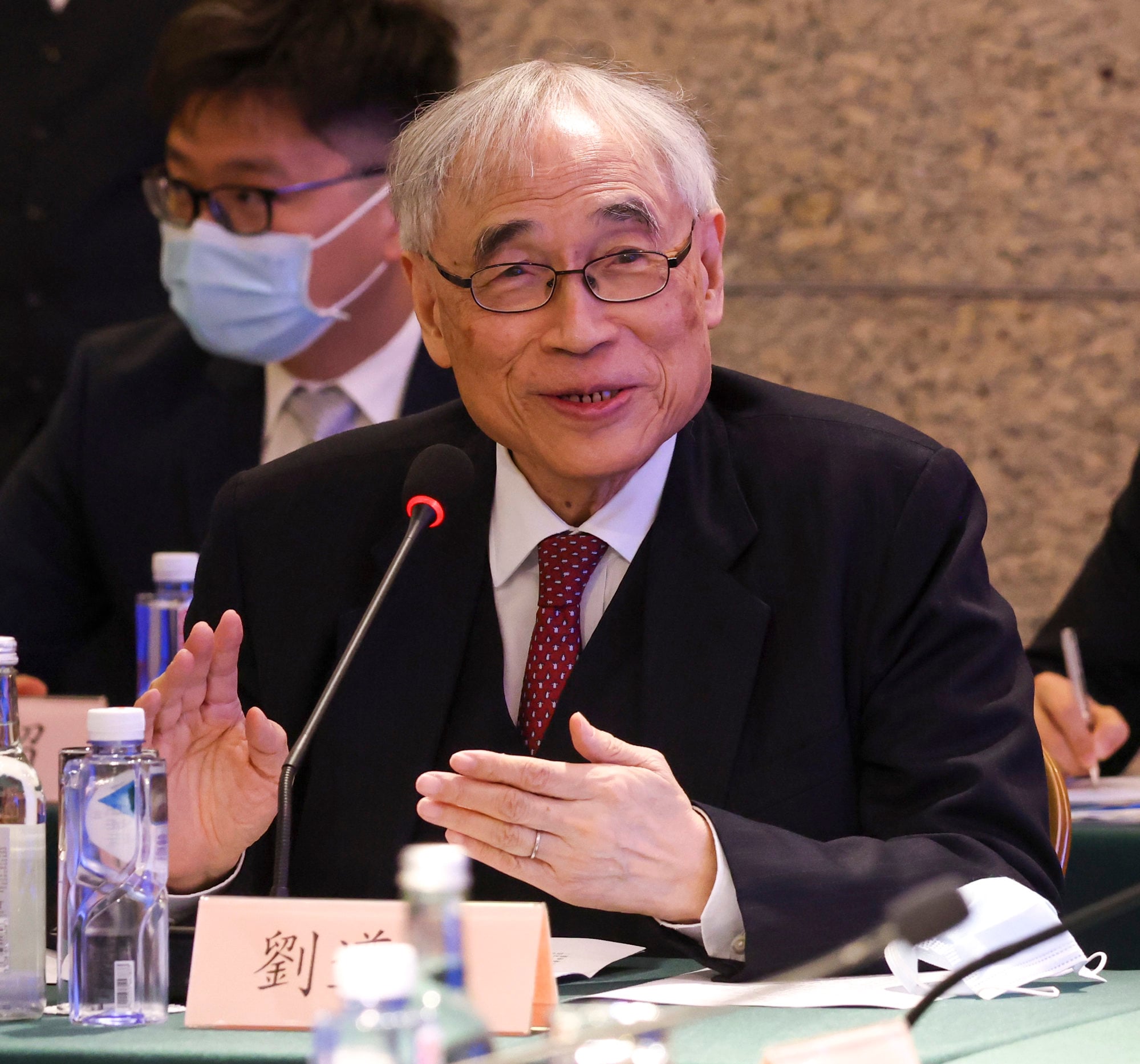
Lau warned not to rule out the risk that shifting global geopolitics could eventually force a “decoupling” from the US dollar. He cautioned that if US-China relations deteriorated to the point where Washington weaponised the financial system, Hong Kong could be barred from the Swift network.
“The US may do anything to preserve its hegemony. That is one scenario where Hong Kong would be forced off the peg,” Lau said, noting that the city remained largely “passive” in the face of such external shocks.
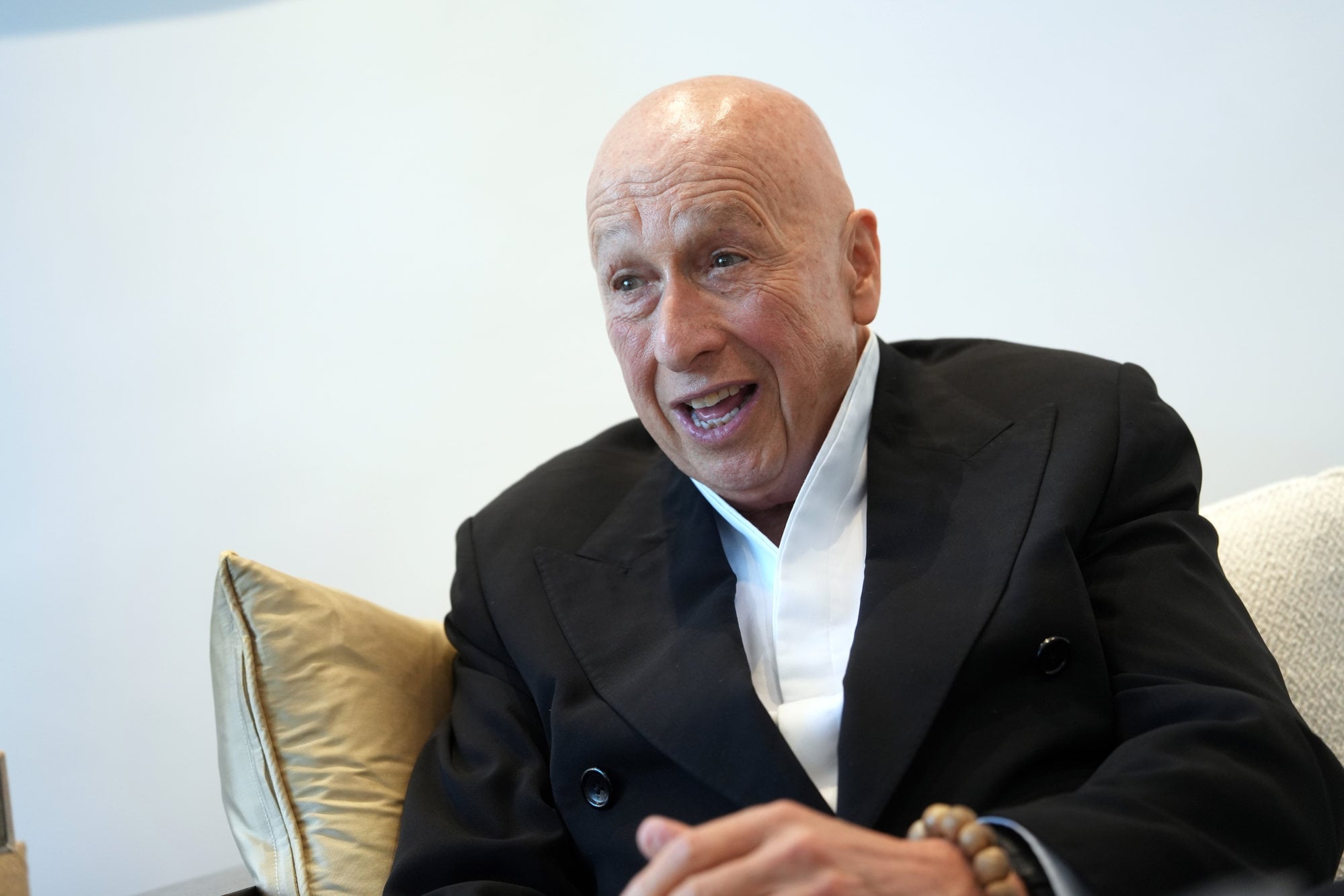
Businessman Allan Zeman also called for a similar review, noting the global trend of diversification away from the US dollar. “Many countries are now getting rid of the US dollar in treasury holdings. That is why gold has gone through the roof,” said Zeman, chairman of the Lan Kwai Fong Group.
Despite ongoing doubts about the greenback’s role, he expressed confidence in its resilience. “I don’t see that its position will be drastically changed going forward. That may change — and you can never say never — but for the moment, the US dollar is the most appropriate currency to which [to peg] Hong Kong’s currency.”