Global Talent Flows and the New Geopolitical Landscape
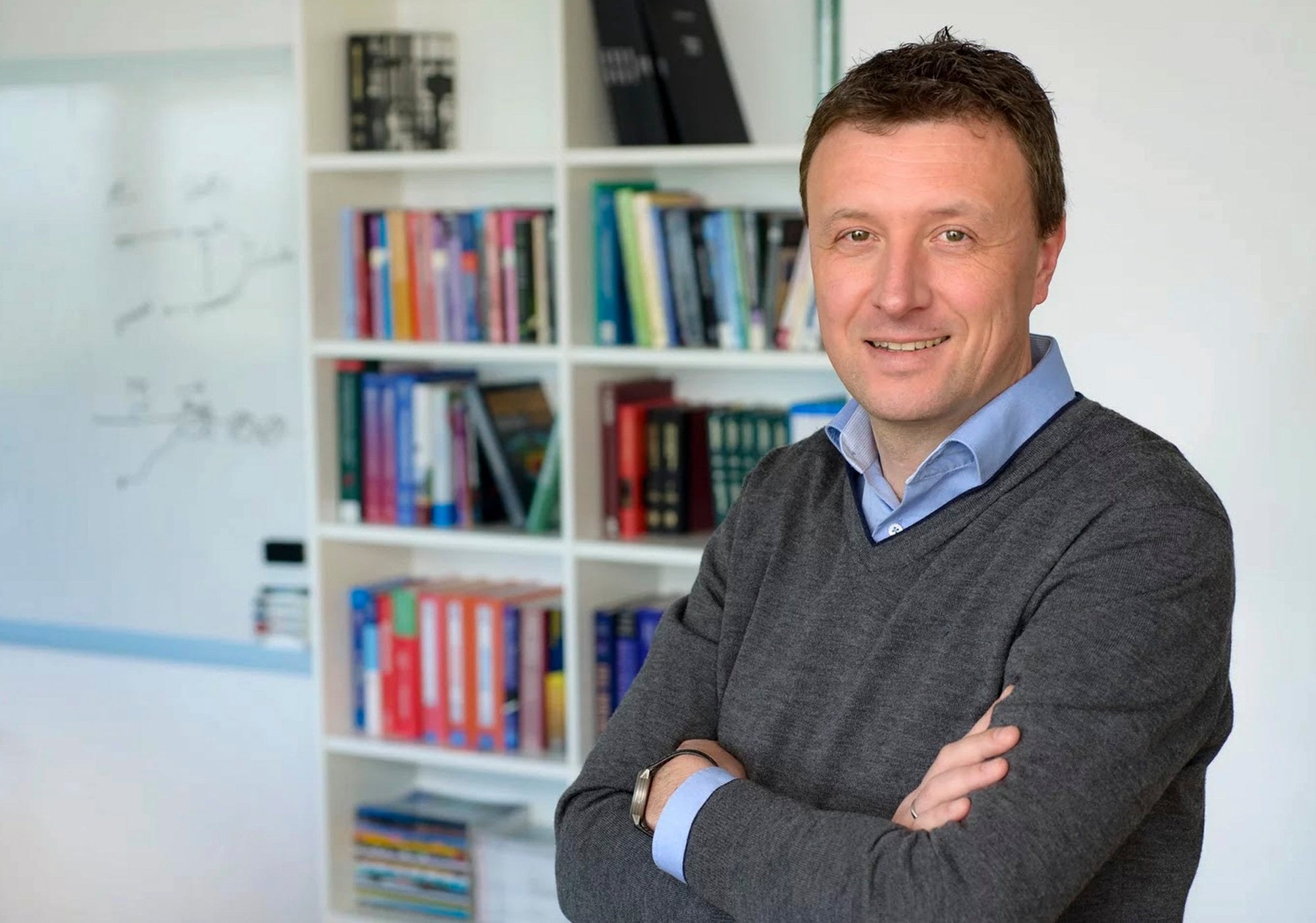
The global flow of talent is undergoing massive changes, creating new opportunities for collaboration and innovation. According to Patrick Cramer, the president of Germany’s Max Planck Society, a leading research body in Europe, these shifts are driven by both geopolitical tensions and the rise of new scientific powerhouses like China.
Cramer highlighted that one of the key triggers for this change is the shift in U.S. policies, including changes in visa regulations, science funding, and the targeting of certain fields of research such as Earth system science. This has made it more difficult for scientists to work in the U.S., especially in specific areas of study. At the same time, the rise of China has created an alternative destination for many researchers, with more funding and job opportunities available.
“Many of those people who would normally go to the US are now going to different places in the world,” Cramer said. He pointed out that countries with the financial resources to support additional salaries are benefiting most from this shift. Brazil is another example of a country that has increased its investment in science.
The Max Planck Society has long been a hub for international talent, and its cooperation with China—particularly with the Chinese Academy of Sciences—is already substantial. In 2023 alone, the society and Chinese researchers collaborated on 157 projects. From 2019 to 2023, their joint publishing efforts resulted in nearly 8,700 papers, making China the fourth-largest partner country for the Max Planck Society, behind the U.S., Britain, and France.
Cramer noted that about 15% of the society’s young researchers are Chinese. The goal, he said, is to foster an exchange of talent rather than a one-way brain drain. This approach ensures that scientists can learn from the brightest minds around the world and nurture the next generation of researchers.
A Legacy of International Collaboration
Cramer, a chemist and structural and molecular biologist, has experienced the global flow of talent firsthand. His career included studies in Europe and training in the U.S. After returning to Germany, he trained researchers from 30 countries in his lab, many of whom later became professors in their home countries, including China and the U.S.
The Max Planck Society maintains ties with former postdocs who have returned to their home countries through 70 “partner groups” across China. These early career researchers receive five years of funding to help set up labs and continue collaborating with their German counterparts.
One of the main incentives for deepening the China partnership is access to China’s world-class scientific infrastructure. Cramer pointed to the Five-hundred-metre Aperture Spherical Telescope (FAST), the world’s largest and most sensitive single-dish radio telescope, located in Guizhou province. Some of the scientists at FAST were previously trained at the Max Planck Institute for Radio Astronomy before joining the project.
“The telescopes are complementary,” Cramer explained. “FAST’s large antenna finds new objects like pulsars, while Effelsberg’s smaller, more flexible antenna is used for detailed follow-up studies.”
A Vision for a Sustainable Future
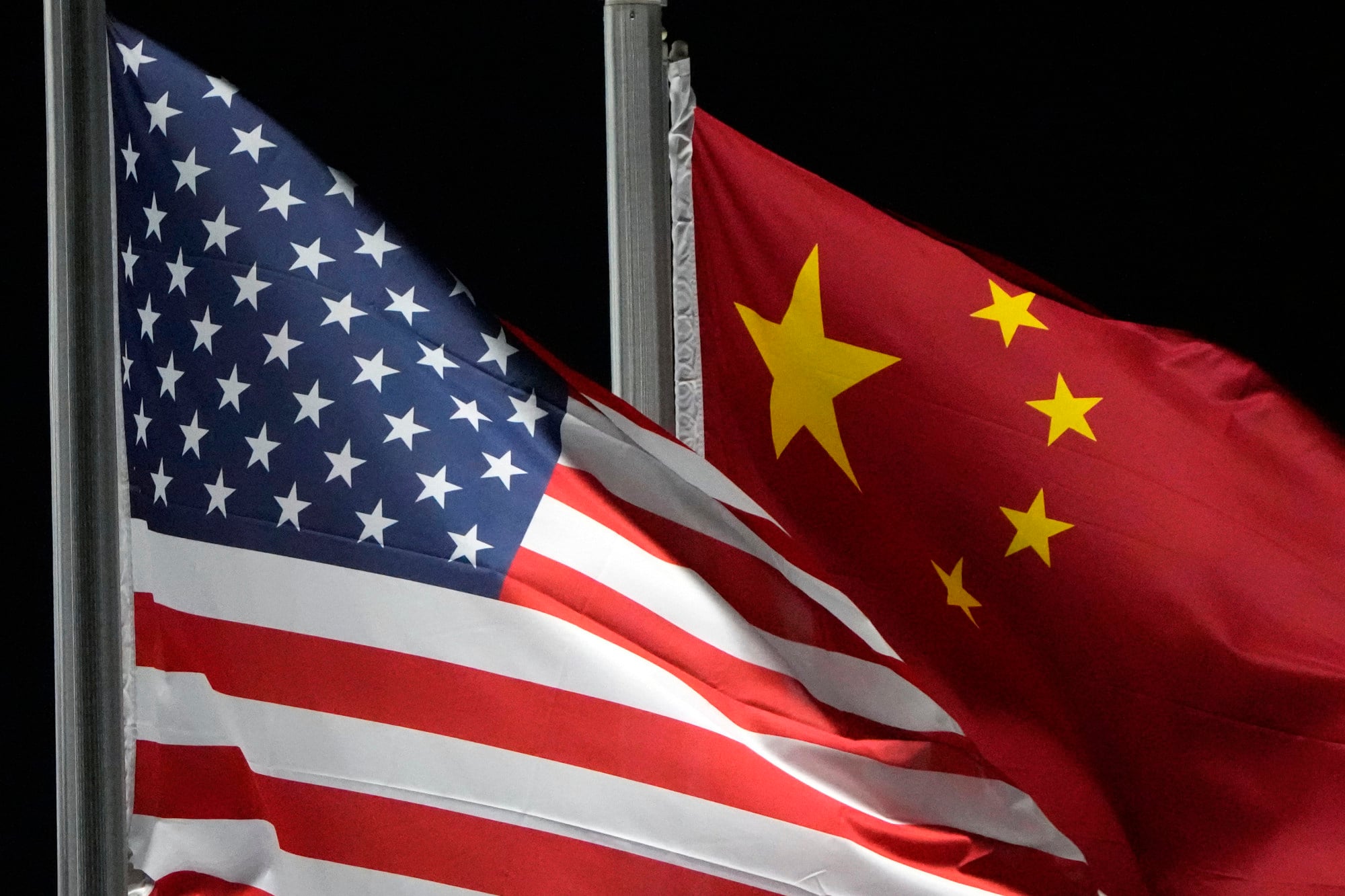
Cramer expressed concern over the rivalry between the U.S. and China, which he described as a “pity” that wastes energy and creates global tension. However, he also saw it as an opportunity for Europe to step in and play a more prominent role.
“We have shown that you can achieve sustainable and peaceful development of a continent with many different languages and countries. That is possible,” he said.
Instead of focusing on the U.S. or China, Europe must define its own strengths, approach, and values. Cramer emphasized that the “European way” is rooted in upholding democracy, striving for sustainable development, fighting climate change, and listening to “rationality and to the voices of reason.”
He also acknowledged that Europe has much to learn from China, particularly in terms of organizing large-scale projects. Cramer gave the example of a robotics lab in Shenzhen, part of the new Max Planck Society-Chinese Academy of Sciences Centre for Synthetic Biochemistry. He described the facility as “a very Chinese project because you need many people to cooperate on a common goal.”
A Globalized World Needs Cooperation
Cramer stressed that the world is becoming increasingly interconnected, and falling back into a fragmented world would slow down human progress. “To fall back into a fragmented world would slow down the development of humanity. That is the way I would love that Europe would act,” he said.
He also reflected on how quickly China has developed scientifically and economically. When he visited Beijing in 2013, the city was choked with smog, but he could not have predicted the rapid changes that followed. China launched its Thousand Talents Plan in 2008 to entice scientists to return home, and Cramer witnessed the impact of this initiative firsthand.
In addition to scientific advancements, Cramer noted China’s success in bringing hundreds of millions of people out of poverty. However, he also pointed to areas of concern, such as the sustainability of rapid growth and the handling of the pandemic.
Despite these challenges, Cramer encouraged China to continue its path of economic growth while aiming for carbon neutrality well before 2060. He emphasized that Europe and China can work together on the transition to a green economy, combining their strengths in areas like green chemistry.
Navigating Global Fragmentation
Cramer also addressed the need for careful navigation in a world where technological and scientific supremacy is becoming a fault line in international relations. He emphasized the importance of distinguishing between scientists and government actions, using the example of separating the anti-science policies of the Trump administration from the work of American universities.
“We want to strengthen our partnership with the U.S., especially in difficult times,” he said, noting that the Max Planck Society plans to establish new collaboration centers with top universities on America’s east and west coasts.
Cramer concluded by reiterating the importance of science as “the voice of reason in a rapidly changing world.” He stressed that the Max Planck Society will only take a stance if science is directly affected, such as defending freedom of science or protecting scientists who face political challenges.
“In a world full of cultural wars, it is very important to prevent emotional debates that endanger scientific discourse,” he said. “We must ensure that discussions are based on scientific arguments, not personal or cultural biases.”