The Jet Fuel Crisis and Its Impact on Airlines
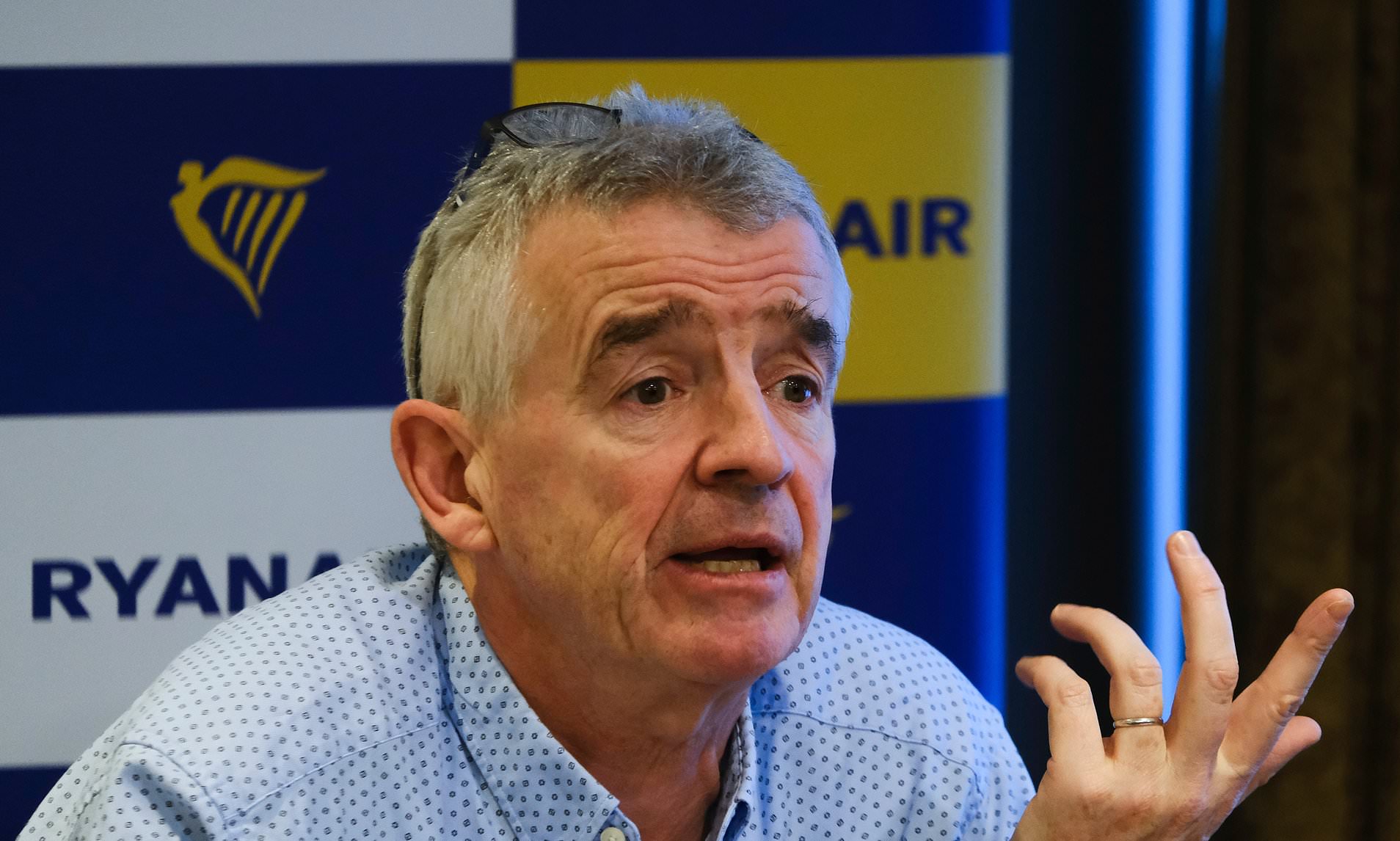
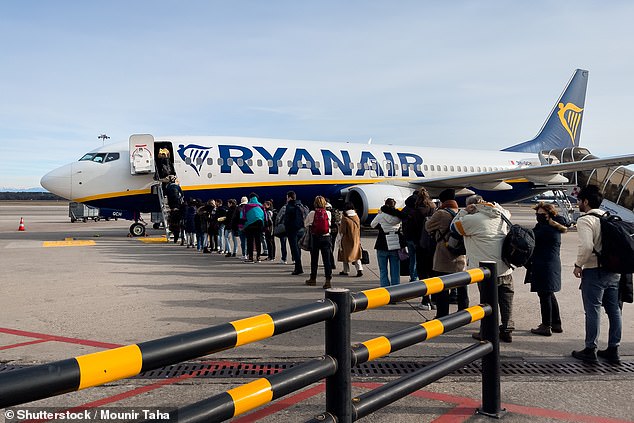
As the jet fuel crisis continues to unfold, many airlines have experienced significant challenges. Rising ticket prices, flight cancellations, and even the closure of some carriers have become common occurrences. Despite these difficulties, Ryanair has remained remarkably confident in its ability to navigate the crisis.
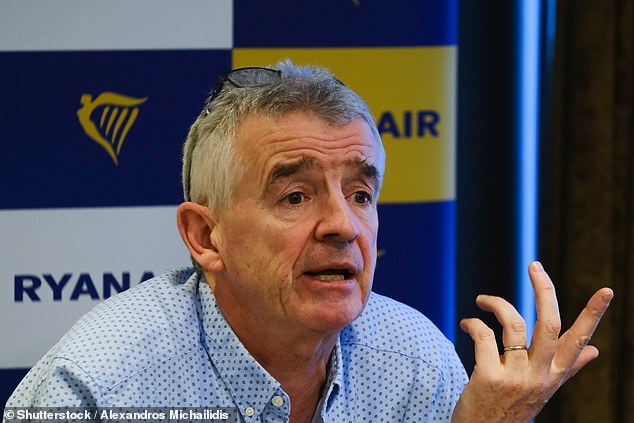
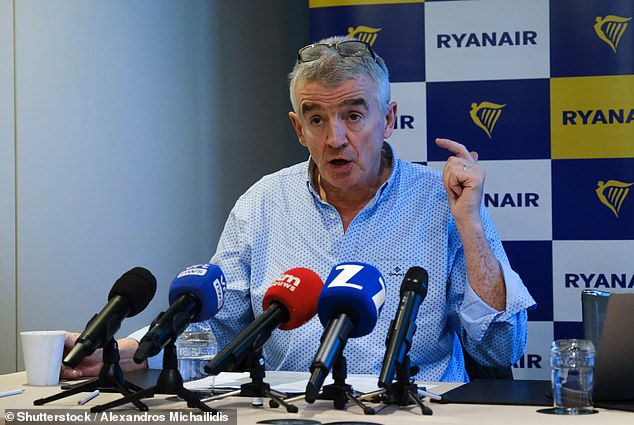
CEO Michael O’Leary and his team have expressed confidence in their fuel supply situation. This confidence was recently highlighted by Neil Sorahan, Ryanair’s chief financial officer, who pointed out that weaker carriers are struggling under the pressure of high fuel costs. He mentioned that airlines like Spirit in the US have already gone out of business due to similar issues.
The blockage of the Strait of Hormuz, which began with the conflict in Iran, has disrupted global fuel supplies. Countries have had to seek alternative sources quickly. Ryanair has consistently maintained that it is well-positioned to weather the storm, but the question remains: is this confidence justified?
Hedged Fuel Supplies
O’Leary emphasized in April that Ryanair was “reasonably well-hedged” on 80% of its jet fuel. Fuel hedging allows airlines to lock in future fuel prices, providing a buffer against price volatility. While this is typically a behind-the-scenes accounting strategy, it becomes crucial when oil and jet fuel prices surge.
O’Leary noted that while the airline is prepared for potential supply disruptions in May and June, the immediate concern is whether there will be enough jet fuel to keep planes flying. Jet fuel prices doubled from around $100 per barrel in late February to approximately $200 per barrel in early April due to the Middle East conflict.
According to the Holiday Extras’ airline fuel hedge tracker, 75% of Ryanair’s fuel is pre-purchased at locked-in prices by the end of this year. However, the outlook for next year is less certain, with only 20% of fuel hedged in Q1 and dropping to 10% by the end of 2027. Ryanair is waiting for oil prices to stabilize closer to $70 per barrel before committing to further hedges.
Outlook for the Summer
O’Leary has previously stated that the success of the summer season depends on whether the Strait of Hormuz can be reopened for vessel traffic carrying oil. Ryanair has indicated that it does not expect to increase prices for the summer, with pricing “trending broadly flat.”
“The conflict in the Middle East has created economic uncertainty, and we still don’t know when the Strait of Hormuz will reopen,” O’Leary said in a statement. “Despite this, Europe remains relatively well supplied with jet-fuel, with significant volumes sourced from West Africa, the Americas, and Norway.”
Ryanair’s “conservative jet-fuel hedging strategy” aims to insulate the airline’s earnings. O’Leary added that recent price fluctuations have eased somewhat in response to economic uncertainty, fears of fuel shortages, and inflation concerns. The airline plans to continue its “load-active/yield passive” strategy to drive traffic growth and lower unit costs.
However, 20% of Ryanair’s fuel is unhedged and has seen a sharp increase in price due to the Middle East conflict. O’Leary assured customers that there would be no price increases, no fuel hedging, and no fuel surge levy surcharges, regardless of what happens to summer supply.
What Other Airlines and Travel Companies Are Saying
Jet2 has also expressed confidence in its jet fuel supply. CEO Steve Heapy stated that the company is in regular dialogue with suppliers and sees increased production and imports as positive signs. He emphasized that the airline will operate its schedule as normal this summer.
Online travel agent loveholidays has announced that it will not introduce surcharges this summer. The company has updated its policy to protect customers from any surcharges applied by its 140 global airline partners to existing bookings.
Tui has also made assurances to its customers, confirming that holiday prices are fixed with no fuel surcharges added. EasyJet has similarly confirmed that customers can book with confidence, as prices will remain locked in post-booking.