Southeast Asia’s Growing Interest in Drone Technology and the Need for Regulation
As Southeast Asian militaries increasingly adopt low-cost, high-impact systems, experts are raising concerns about the lack of established rules and regulations that could lead to dangerous situations. Singapore’s recent announcement to trial weaponized unmanned drones has brought attention to the region’s growing interest in technologies that can track and strike targets without endangering human operators.
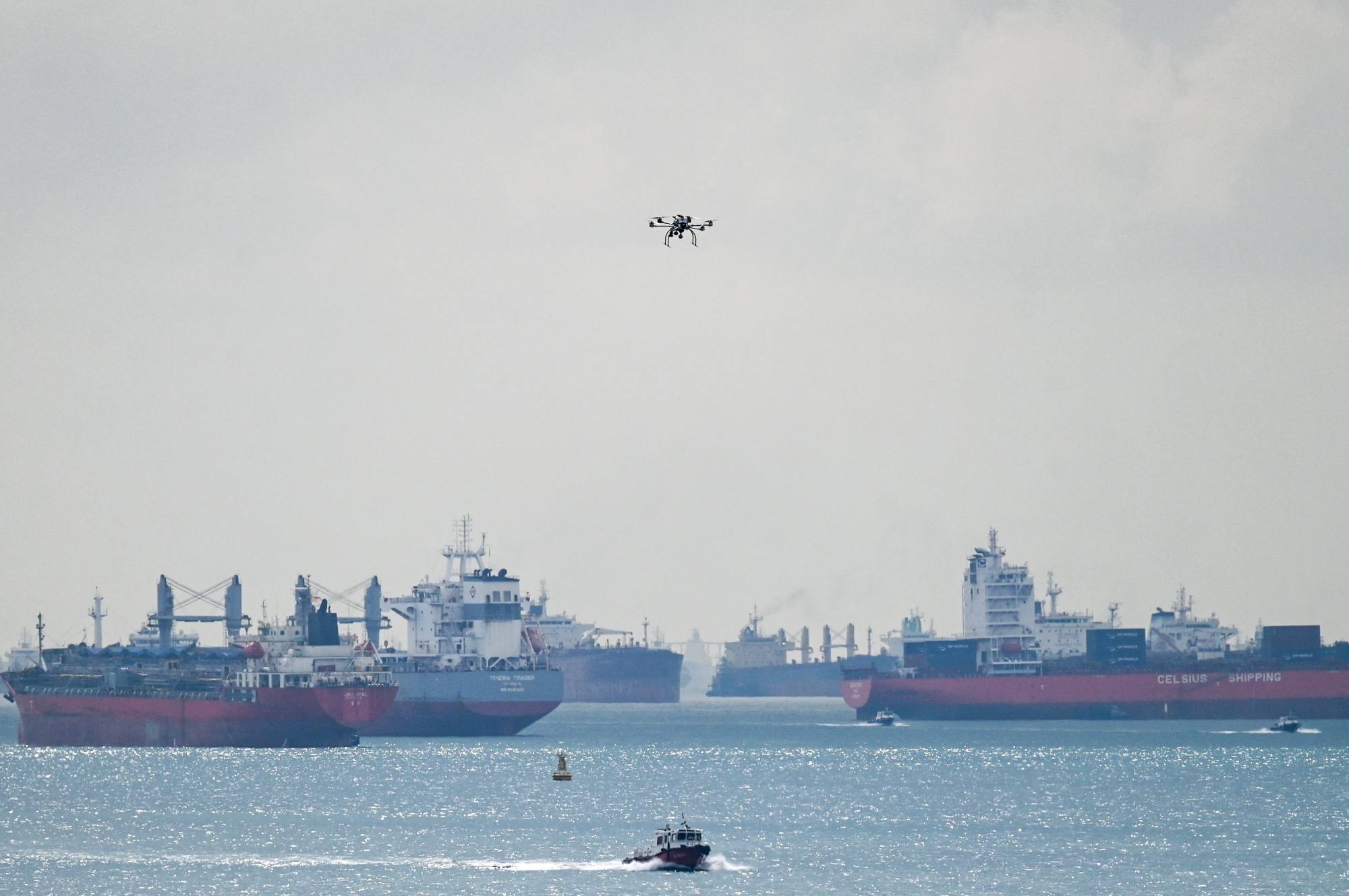
Singapore’s plan to trial weaponized unmanned systems in the coming months has sparked discussions on the implications of such technology. Coordinating Minister for National Security K. Shanmugam emphasized that Singapore’s security agencies have been adapting technology in their operations for years. He noted that as threats evolve, so must the methods used to counter them. “You see that people who want to do you harm. You see it around the world,” he said during a visit to the police coastguard’s Brani base. “The kind of technologies they use, and the threat of terrorism, attacks, and so on, have been there, and I would say, are increasing.”
Shanmugam also highlighted that Singapore’s Home Team had been moving in this direction for some years due to manpower shortages and technological changes. “We need to access and get on top of technology,” he added.
The new technology was described as a “quantum upgrade” by Shanmugam, who explained that these drones could potentially eliminate armed perpetrators hiding behind barricades, a task currently carried out by officers facing significant risks. Singapore, a major maritime hub, has long been preparing training for hostage-taking and other situations involving hostile vessels, he added.
Other Southeast Asian countries have also been upgrading their drone and counter-drone systems. While drones were traditionally used for surveillance and information collection, Singapore’s recent trial reflects a regional shift towards operational and weaponized roles. Chong De Xian, an associate research fellow at the S. Rajaratnam School of International Studies’ Institute of Defence and Strategic Studies, noted that drones are now being considered not only for surveillance but also as tools for tactical support, counter-drone operations, or armed systems.
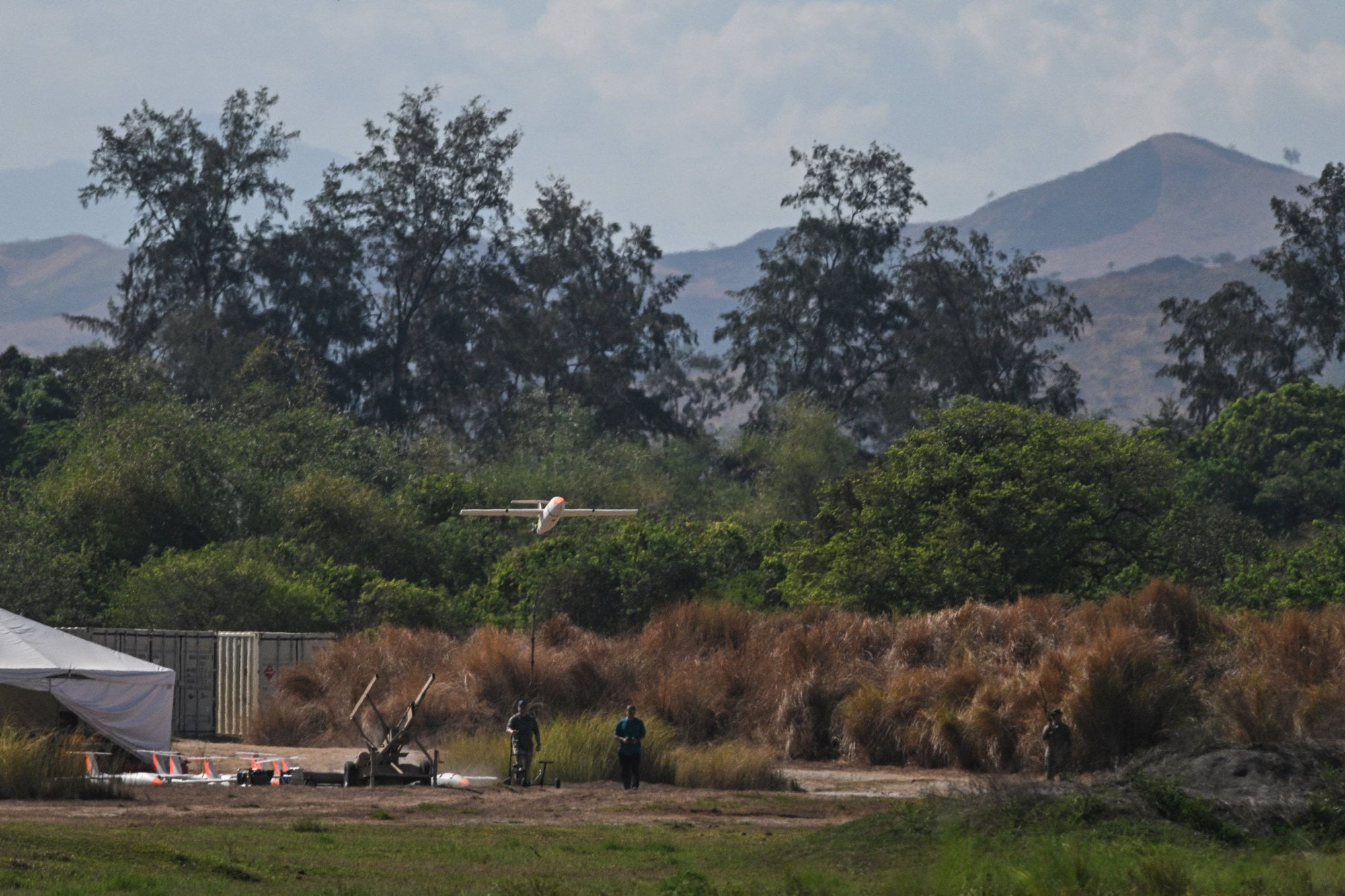
Southeast Asia’s geography—expansive maritime spaces, porous borders, difficult terrain, and crowded operating environments—makes drones especially useful, according to Chong. Last month, Malaysia unveiled a high-speed interceptor drone designed to neutralize hostile drones. On Saturday, units from the Philippine Army participated in a drone-racing drill to help its personnel adapt to the rapidly advancing technology.
Major General Ramon Zagala stated, “Drone technology is already here. Future wars will be fought with it, and our ability to harness it will provide a differentiation. If we [do] not adapt, we will fail.”
Lessons from Global Conflicts
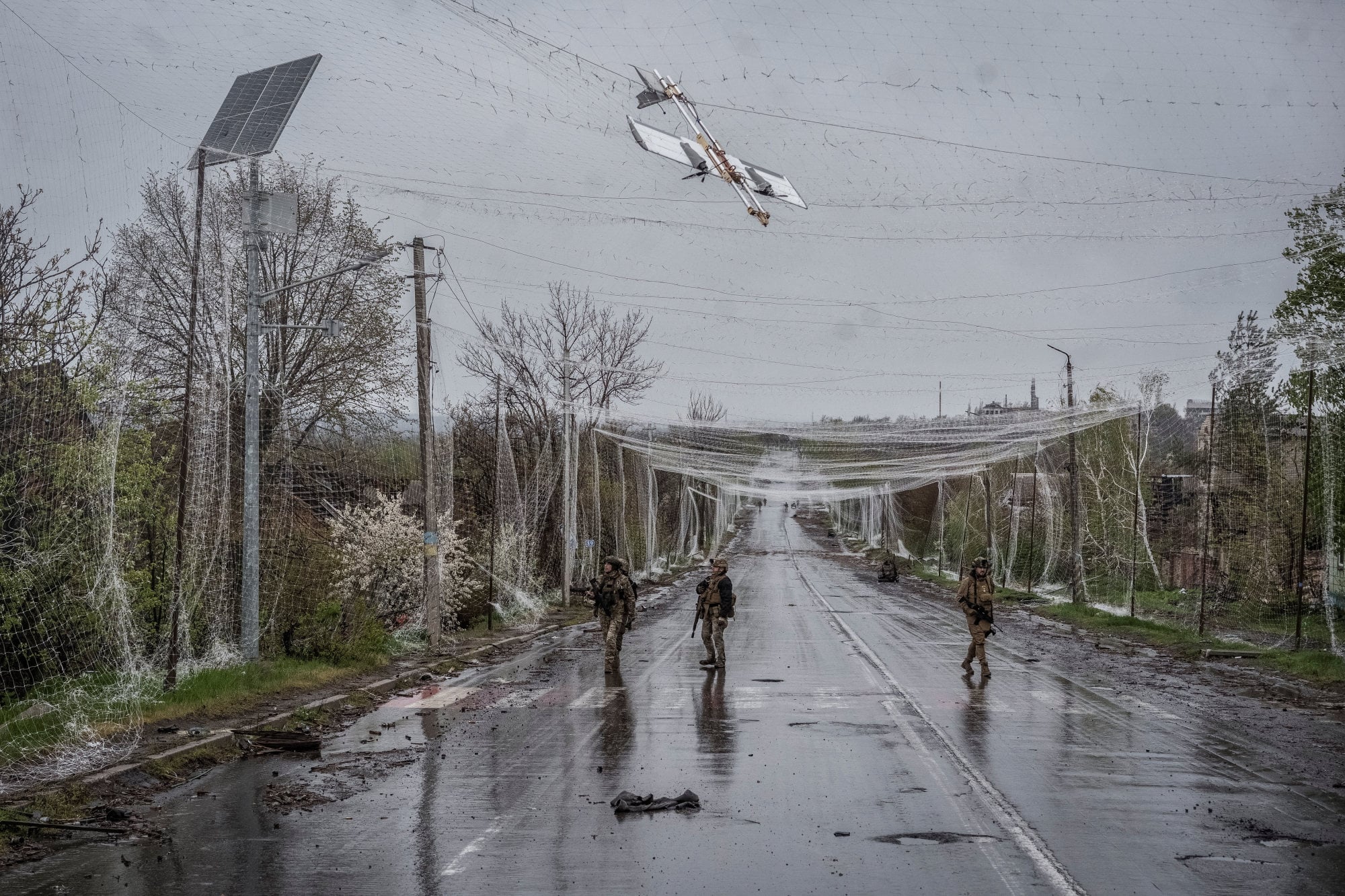
These developments likely reflect Southeast Asian nations taking stock of recent global conflicts, which have heavily featured drone warfare, according to analysts. The Russia-Ukraine war and conflicts in the Middle East have showcased the low risks and costs of deploying these unmanned aircraft, key incentives for regional countries struggling with tightening budgets and manpower shortages.
Tehran has retaliated with thousands of Shahed drones since the US and Israel launched their attack on Iran in February. These drones, which cost around $35,000 each, carry an explosive payload that detonates on impact. These same types of drones have been used by Russia in its war with Ukraine and by Kyiv in attacks on Moscow’s oil refineries and military facilities.
Conflicts like these, along with regional skirmishes such as the dispute between Thailand and Cambodia, have highlighted the advantages of such unmanned vehicles and prompted Southeast Asian countries to accelerate the development of their drone and counter-drone technologies, according to analysts.
“When they are damaged or destroyed, you only lose a machine, and the pilot still gets to go home for dinner,” said Miguel Alberto Gomez, a senior research fellow at the Centre on Asia and Globalisation in the Lee Kuan Yew School of Public Policy.
Challenges and Risks
Despite their benefits, drones come with downsides. Apart from being vulnerable to cyberattacks, jamming, and spoofing, drones might fail in their mission if the connection to their operator is cut off, said Liu Mei Ching, an associate research fellow at the S. Rajaratnam School of International Studies’ Military Transformations Programme. Operators might also be targeted, she added, noting that recent conflicts have shown how combatants developed capabilities to trace drone control signals.
Southeast Asian states should establish partnerships with private companies, start-ups, and academia to ensure that their drone models remain relevant and are not rendered obsolete by counter-drone systems, according to Liu. “The procurement, adoption, and integration of a military system or weapon can be a long process, so it is crucial for countries to consider ways in which they can adapt faster,” she said.
Transparency and Regional Cooperation
Ukrainian President Volodymyr Zelensky warned last September that cheap drones could now create “dead zones”—areas stretching for dozens of kilometres where nothing moves, no vehicles, no life. He also warned that the world was living through the “most destructive arms race in human history,” driven by the integration of AI.
While drone technology in Southeast Asia is still in its infancy, its proliferation is inevitable, said analysts, who called for regional cooperation and confidence-building. Alberto said the region was still in the experimental phase of learning about and acquiring these systems, with no country emerging as ahead of the pack yet. “Some may have better economic resources or institutional flexibility to adapt to the changing environment, like Singapore, but even in their case, it’s still a learning process,” he said.
A regional arms race fueled by drones has yet to emerge, according to Alberto. However, Liu noted that with the deployment of artificial intelligence capabilities in recent conflicts, wider adoption of the technology and drones by Southeast Asian countries was “only a matter of time.”
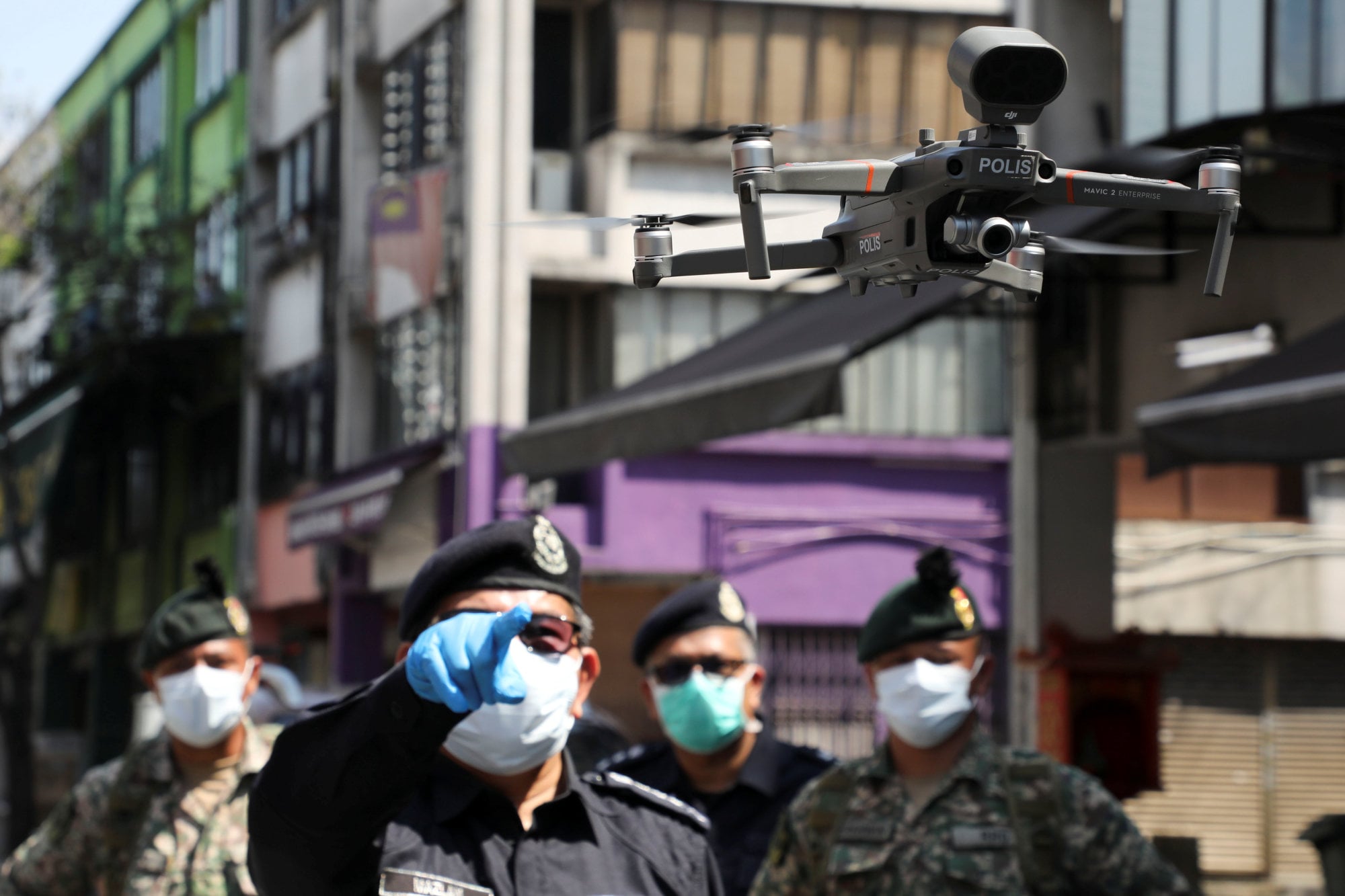
In March, the Royal Thai Army unveiled a fleet of AI-embedded suicide and bomber drones, meant to eliminate the threat of jamming and complete flights even if their signals were severed. According to local media, the drones, which cost 500,000 baht (US$15,300) each, were introduced as critical weaponry for operations along the Thai-Cambodian border.
Analysts have urged countries to be transparent about the adoption of drones and AI, warning of potential diplomatic conflicts arising from a lack of communication. Individual governments should be clear on the purpose of drone technologies, and states should engage in frequent exchanges on practices and incident-management procedures at a regional level, Chong said.
Last year, ASEAN member states adopted a statement to deepen AI-related cooperation in the defense sector, committing to the responsible use of the technology. “In disputed maritime spaces, border areas, or sensitive domestic security operations, a drone incident could quickly become a sovereignty or diplomatic issue,” Chong said. “The incorporation of drones and AI-enabled systems should be treated as a governance challenge, rather than only a capability upgrade.”