
A Glimpse into Japan’s Penal System and the Struggles of Aging and Foreign Inmates
In a quiet corner of Tochigi Prison, an elderly woman sits in a wheelchair, her wrinkled fingers moving with remarkable speed as she folds intricate origami shapes from colored paper. Beside her, another woman does the same, adding her finished creation to a growing pile on the table. The two women work in silence, their only interaction being the shared task. This scene, captured within the walls of Tochigi Prison, reflects a broader challenge facing Japan’s penal system: how to care for aging, unwell, and foreign prisoners while shifting its focus from punishment to rehabilitation.
Inside Tochigi Prison, which houses 456 female inmates, the daily routine is structured and disciplined. Inmates typically work from 7:40 am until 4:30 pm, five days a week, with a 30-minute lunch break and brief interludes mid-morning and afternoon. They are paid for their work and can use the earnings to purchase items in the prison or receive the total upon release.
The prison, located on the outskirts of Tochigi City, is one of 12 facilities across Japan for women convicted of crimes. It is home to a diverse population, with one-third of the inmates coming from overseas. Thai women make up 17% of the foreign contingent, while Chinese nationals account for around 10%. Women from 33 countries are held at the facility, most of whom are serving sentences for smuggling narcotics into Japan.
Among the broader population, 33% of the inmates are serving time for theft, while others are incarcerated for robbery, causing injury, or fraud. An 8% portion of the inmate population has been convicted of homicide and is serving life sentences.
Challenges Faced by Prison Staff
Warden Kiyochika Miyoshi highlighted two major challenges faced by prison staff: communicating with foreign nationals who have limited Japanese language skills and caring for the needs of elderly inmates with mental and physical challenges.
“The staff use interpreters and translation machines, but it is challenging for us to use these methods and can cause stress for the inmates,” Miyoshi explained. “And because the staff cannot understand all these languages, there are security issues as well.”
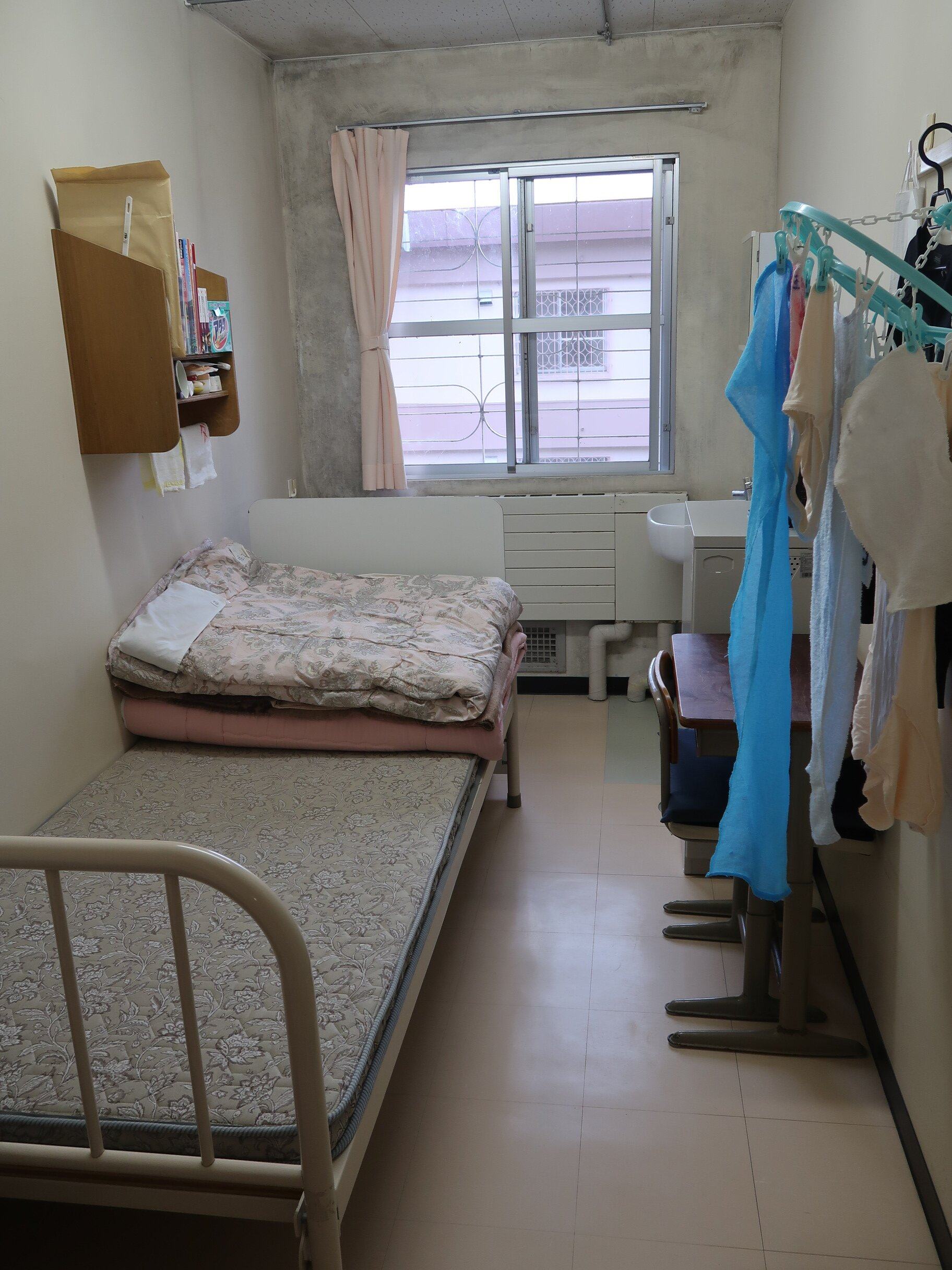
To address these challenges, the prison has made efforts to accommodate foreign inmates. The library holds over 5,000 books in languages other than Japanese, and a single Japanese-language station is accessible on prison televisions. Foreign inmates also have individual cells and sleep on beds, unlike their Japanese counterparts who roll out a futon on a tatami-floor dormitory for six people.
The Impact of Aging on the Prison Population
The inevitable consequences of aging pose a constant test for Tochigi Prison, with 32% of the inmates over the age of 60. According to the warden, 40% of the inmates are classified as healthy, while the remainder require some form of medical or health support. Of those needing support, 21% are identified as having “mental disabilities.”
Hirotsugu Hori, director of the prison’s General Affairs Division, noted that the proportion of inmates with mental health problems is higher than in male prisons. He attributed this to possible neglect during their developmental years, leading to limited access to education and financial instability.
“The proportion of elderly inmates is increasing,” Hori said. “After they leave prison, many commit similar crimes and come back. And these inmates often need daily care. They need help when they take a bath or during meal times.”
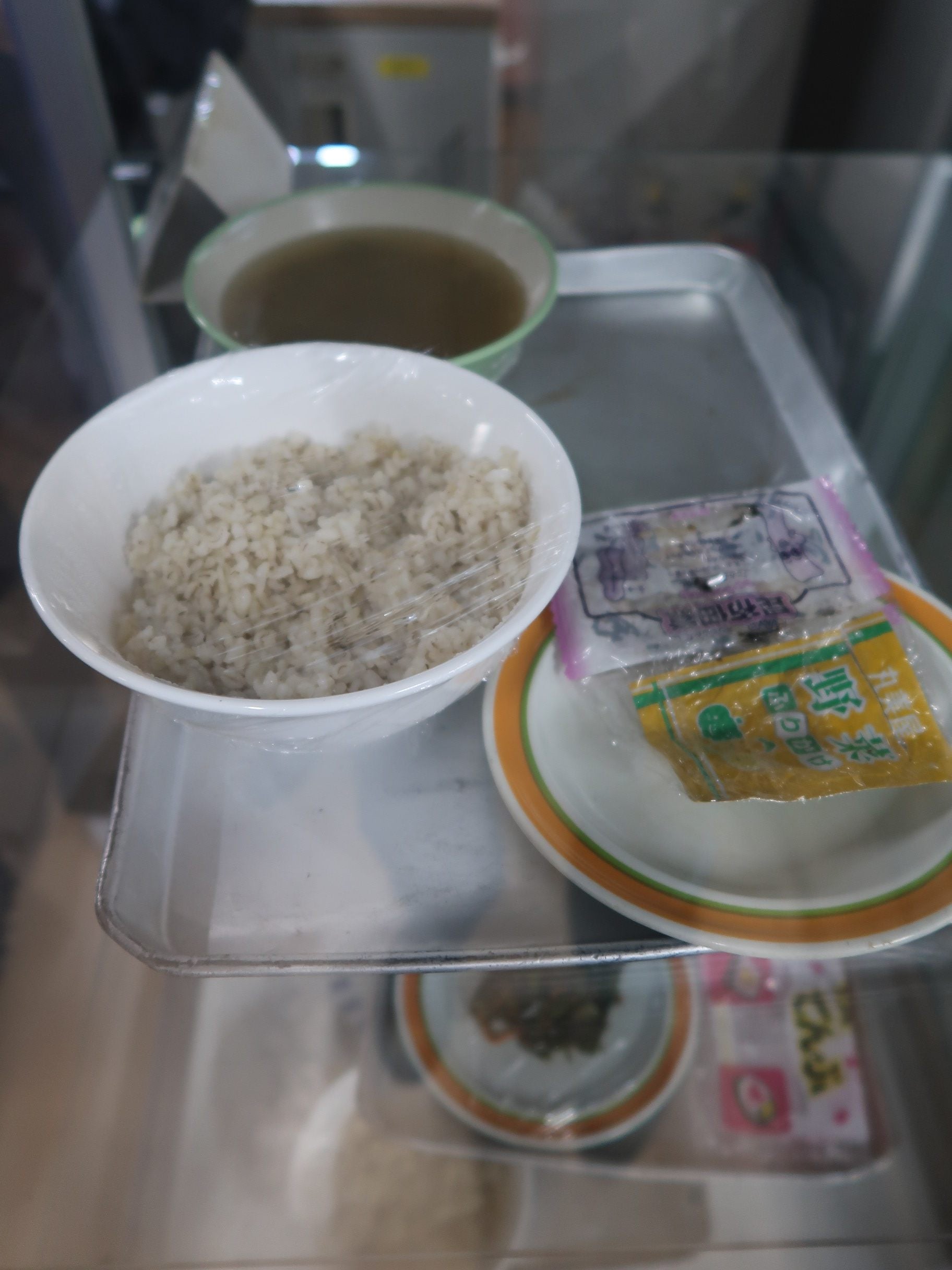
To accommodate older inmates, the prison has adjusted its menu, making porridge a staple and chopping vegetables more finely for easier consumption.
Reforms and Ongoing Concerns
Revisions to Japan’s penal code took effect in June 2025, marking the first changes since 1907. The reforms emphasized the shift from punishment to rehabilitation, requiring prisoners to perform paid labor during their sentence. These changes followed a critical report by a leading human rights organization in 2023, which claimed that Japanese prisons failed to treat inmates “like human beings.”
During a tour of the prison, the new “reflection room” was highlighted. This carpeted space with pictures on the wall allows inmates with grievances to meet with staff to explain their concerns without interruption. Each session permits an inmate to present her complaint to two officers, who then discuss the matter and provide an explanation or reasoning for a decision.
Teppei Kasai, senior programmes officer for Human Rights Watch, welcomed the reflection room initiative, stating that it could be productive and improve the mental health of imprisoned women. However, he pointed out that many of the issues listed in the 2023 report had not been addressed.
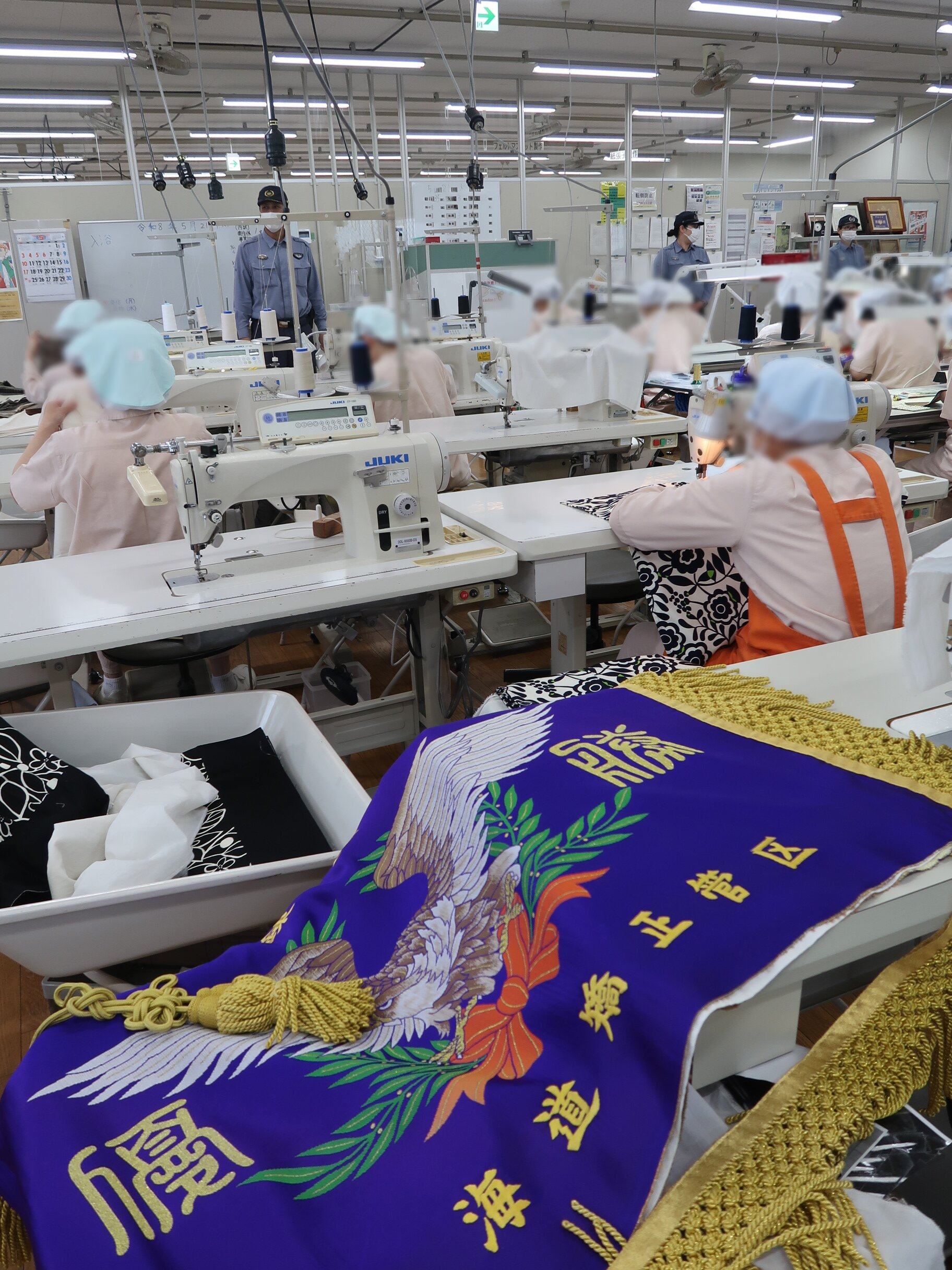
Back in the workshops, more women are working in silence. Wearing identical pale pink smocks and head coverings, the inmates go about their monotonous tasks, with electric sewing machines punctuating the air with a gentle hum. Guards constantly scan their charges, but not one inmate raises her head to look in their direction.

Related posts:
From Madina Old Road to the marketing boardroom: This is Dinah Asabea Darko

My 33-Year Battle with Idumota Marketers: The Unfiltered Journey of Queen Oluwa

What Governments Must Do Before Transitioning to the 12-Year Compulsory Education Model – Analysts


Beyond the Bill: Can Nigeria’s States Forge Effective Police Forces?