South Korea’s Economic Outlook Amid Semiconductor Demand and Inflationary Pressures
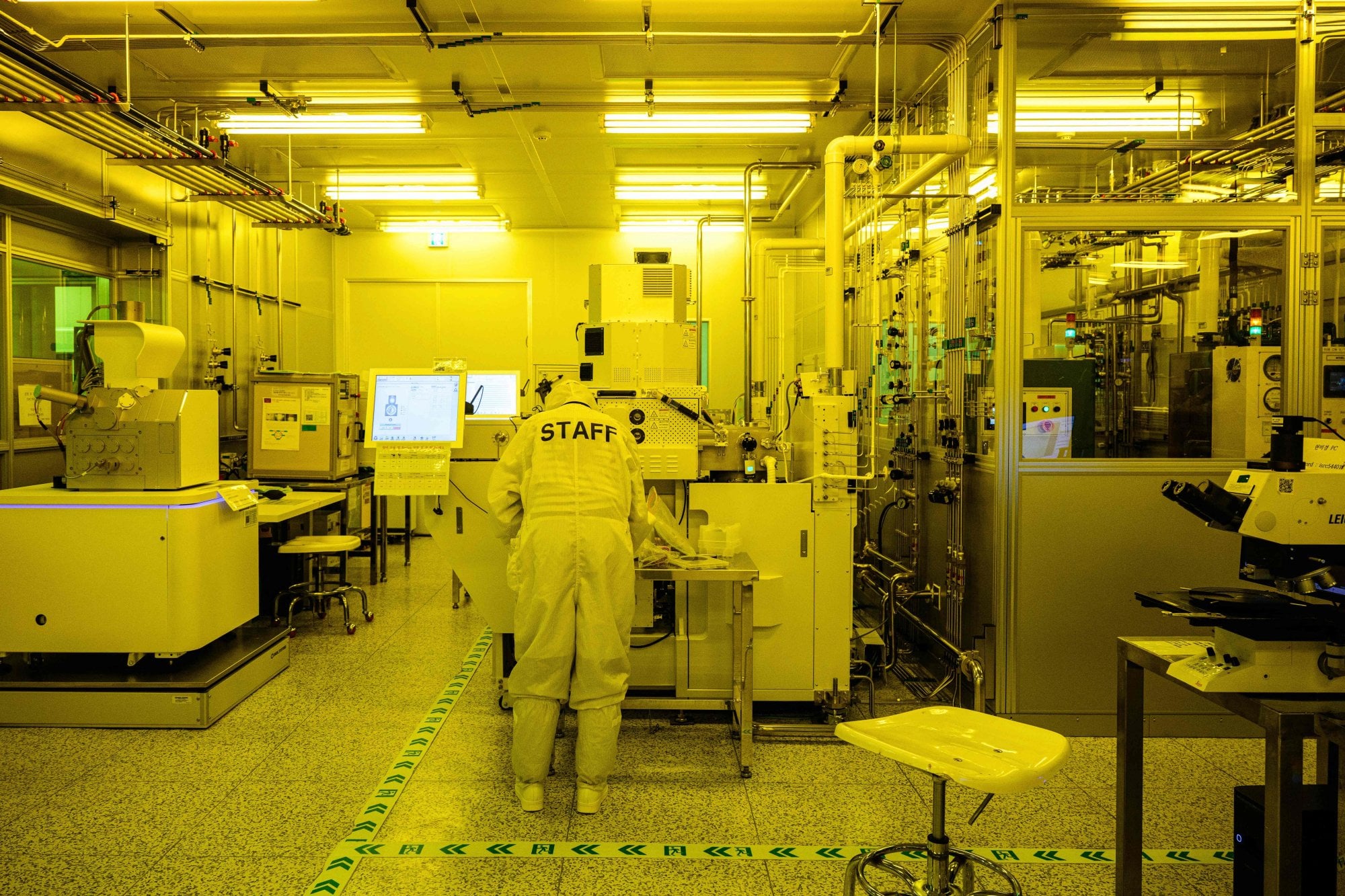
South Korea’s economy is experiencing a complex mix of growth and uncertainty. Analysts suggest that while the country’s economic performance has exceeded expectations this year, it is heavily influenced by the cyclical demand for semiconductors. This trend is creating an uneven landscape across different sectors of the economy.
The Bank of Korea recently revised its economic growth forecast for 2026 to 2.6 percent, up from 2.0 percent in the previous estimate. This upward revision was primarily due to strong exports driven by the booming semiconductor industry and additional government spending aimed at mitigating the effects of the Middle East conflict. The central bank also raised its inflation forecast for the year to 2.7 percent, reflecting ongoing global supply shocks.
South Korea’s first-quarter economic growth was 1.7 percent compared to the previous quarter, marking the strongest quarterly increase since 2021. Over the same period last year, the economy grew by 3.6 percent. However, the full-year growth rate for 2025 is projected to be 1 percent.
Semiconductor-Driven Growth and Sectoral Imbalances
The central bank’s governor, Shin Hyun-song, highlighted that the growth rate could surpass 2.6 percent if the Middle East crisis is resolved early. He emphasized that the sustainability of strong semiconductor demand would play a crucial role in determining future economic performance.
Analysts note that the current economic expansion is largely fueled by demand for AI-related semiconductors. Kim Gwang-suk, an economics professor at Hanyang University, pointed out the “low-base effect” as a factor contributing to the improved outlook. Last year’s sluggish economic growth of 1 percent makes this year’s performance appear stronger in comparison.
However, other sectors of the economy are still struggling. Hur Jung, an economics professor at Sogang University, described the current situation as a “transitory euphoria” created by the boom in semiconductor exports. Kim Sung-hyun, another professor at Sungkyunkwan University, believes that South Korea’s economy could grow steadily over the next one or two years, with semiconductor demand expected to remain strong until at least the end of 2027.
Inflation and Currency Challenges
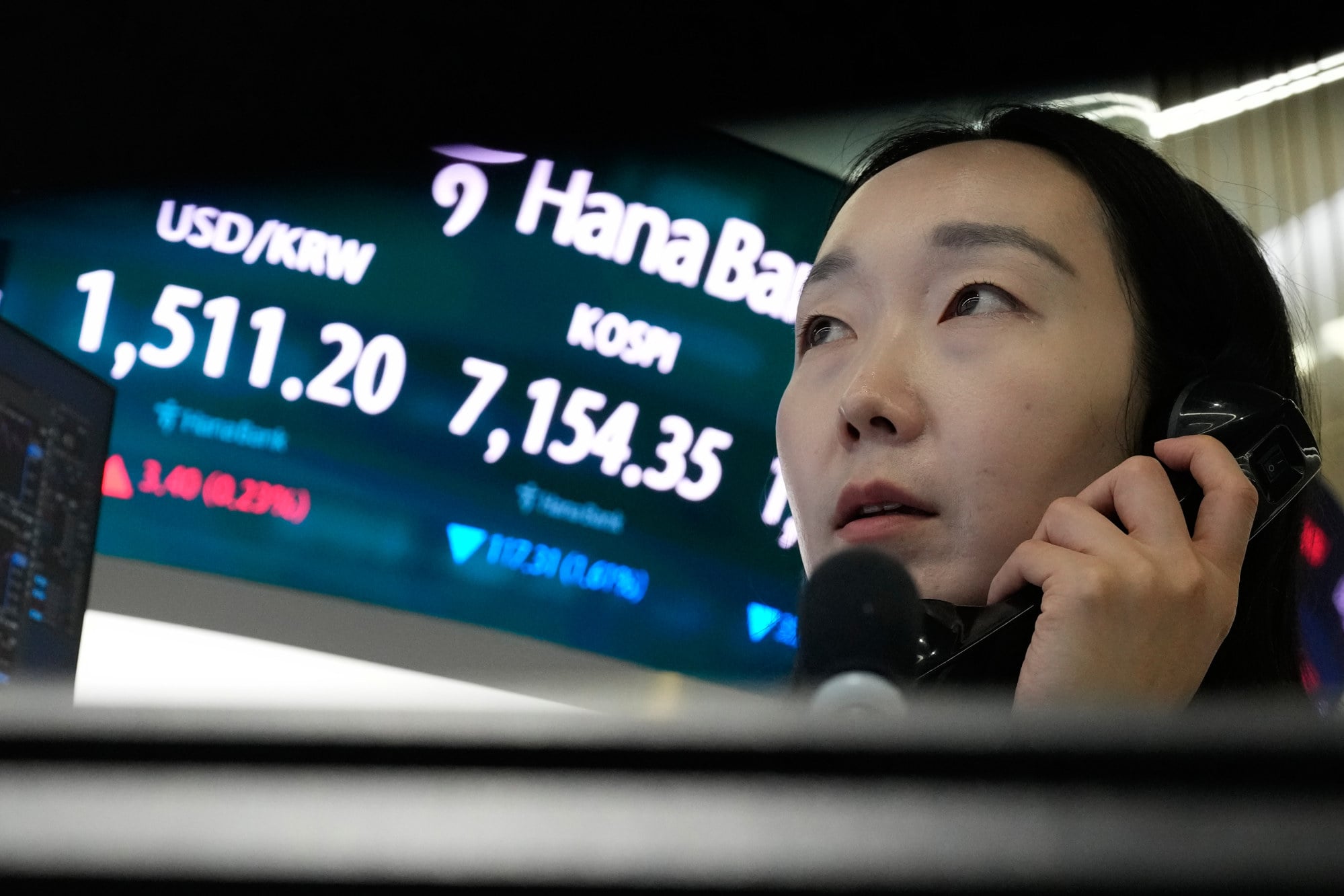
Despite the positive growth figures, inflation remains a concern. The war in the Middle East has triggered global supply shocks, leading to rising prices. Additionally, the South Korean won has weakened significantly against the US dollar, falling by 3.4 percent this year. The currency now trades at an average of 1,470 won per dollar, compared to 1,421 won last year.
Hur noted that the price hikes are not due to increased domestic demand but rather global supply disruptions. This means that the current inflationary pressure does not necessarily indicate a recovery in the economy. He also warned that South Korea might face pressure to raise interest rates to curb capital flight, despite the risks of lower investment and consumption.
Monetary Policy and Future Outlook
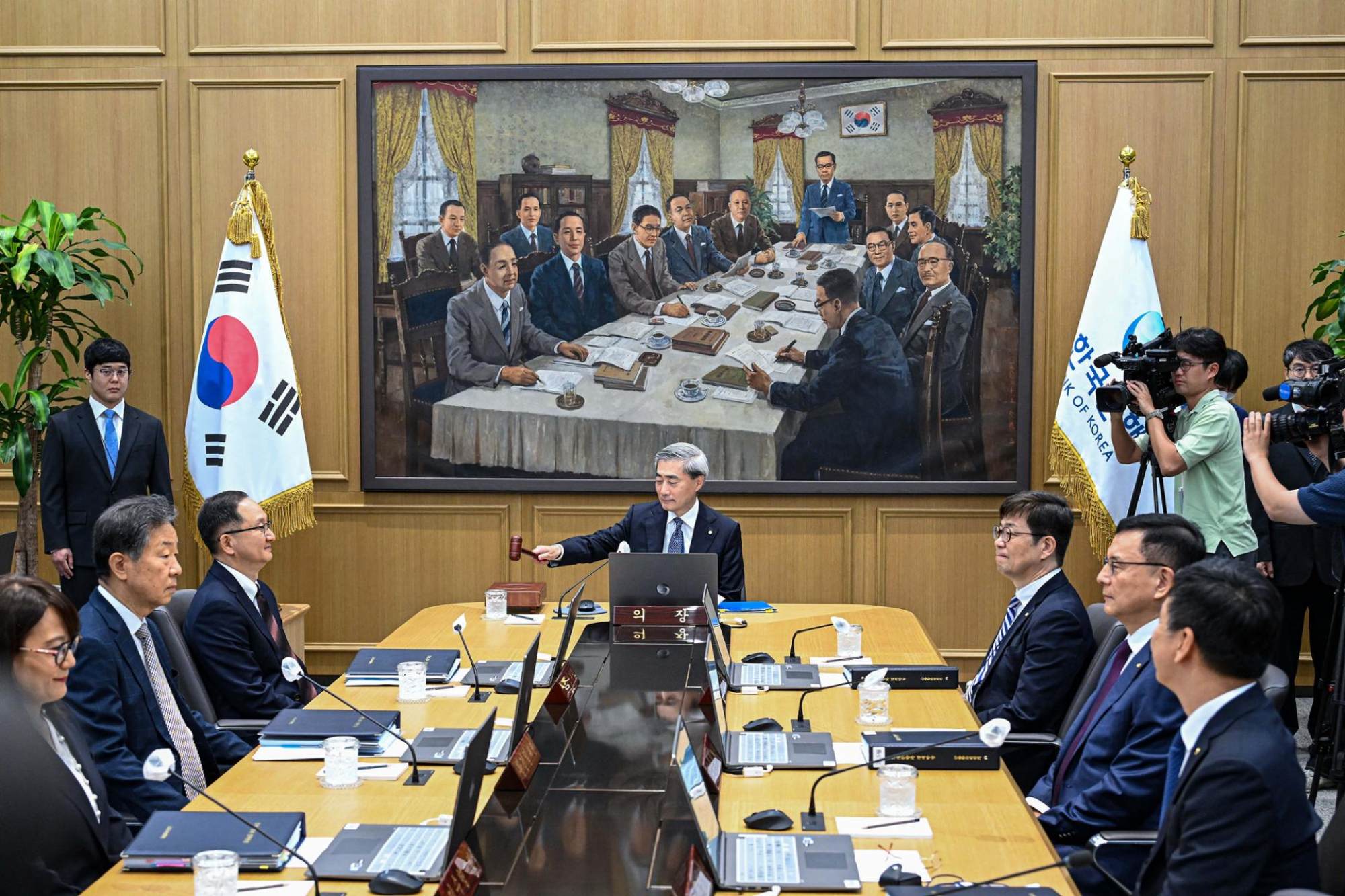
The Bank of Korea kept the benchmark interest rate unchanged at 2.5 percent on Thursday. However, the central bank’s governor hinted at potential future rate hikes, citing mounting inflationary pressures, rising oil prices, a weaker won, and higher housing costs in the Seoul metropolitan area.
In a recent report, the Korea Development Institute called for a “flexible” monetary policy to address inflationary expectations driven by improving economic activity and rising global oil prices. The institute also recommended focusing on increasing South Korea’s potential for economic growth through research and development, infrastructure, and support for vulnerable income groups.
The think tank predicts that economic growth could exceed potential levels in 2026 and 2027. However, it cautioned that if the Middle East conflict escalates, disruptions to commodity supplies and higher production costs could weaken economic activity.
Exports are expected to rise by 4.6 percent in 2026, supported by semiconductor demand, and by 2.2 percent in 2027. Headline inflation could reach 2.7 percent in 2026, driven by rising oil prices, before moderating to about 2.2 percent in 2027 due to lower oil prices.
Kim Gwang-suk urged financial support for middle-income and low-income South Koreans to cope with rising inflation. He also noted that if the May inflation figure exceeds 3 percent, the Bank of Korea may conclude that current interest rates are too low.

Related posts:

Film depicting first lady’s shooting sparks historical distortion controversy
Ambassador Roh Jae-hun optimistic on full-scale Korea-China cultural revival


Majorca vs Menorca vs Ibiza: Which of Spain’s Balearic Islands should you visit?

Hungary’s reckoning with Orban’s corrupt system picks up speed with high-profile arrests