The Evolving Landscape of Sudanese Islamists
The situation in Sudan has seen a growing speculation about the transformation of Islamist groups, caught between military decision-making, regional powers, and internal challenges. Observers note that these groups are preparing to step back from the scene as part of a planned reorganization. Field evidence and declining influence suggest this is a forced contraction due to the cost of war and shifting alliances.
Between these two scenarios, many questions remain about the future of the Sudanese Islamic Movement. Are they making a calculated retreat, or fading away under the weight of reality?
Radical Shifts in Participation
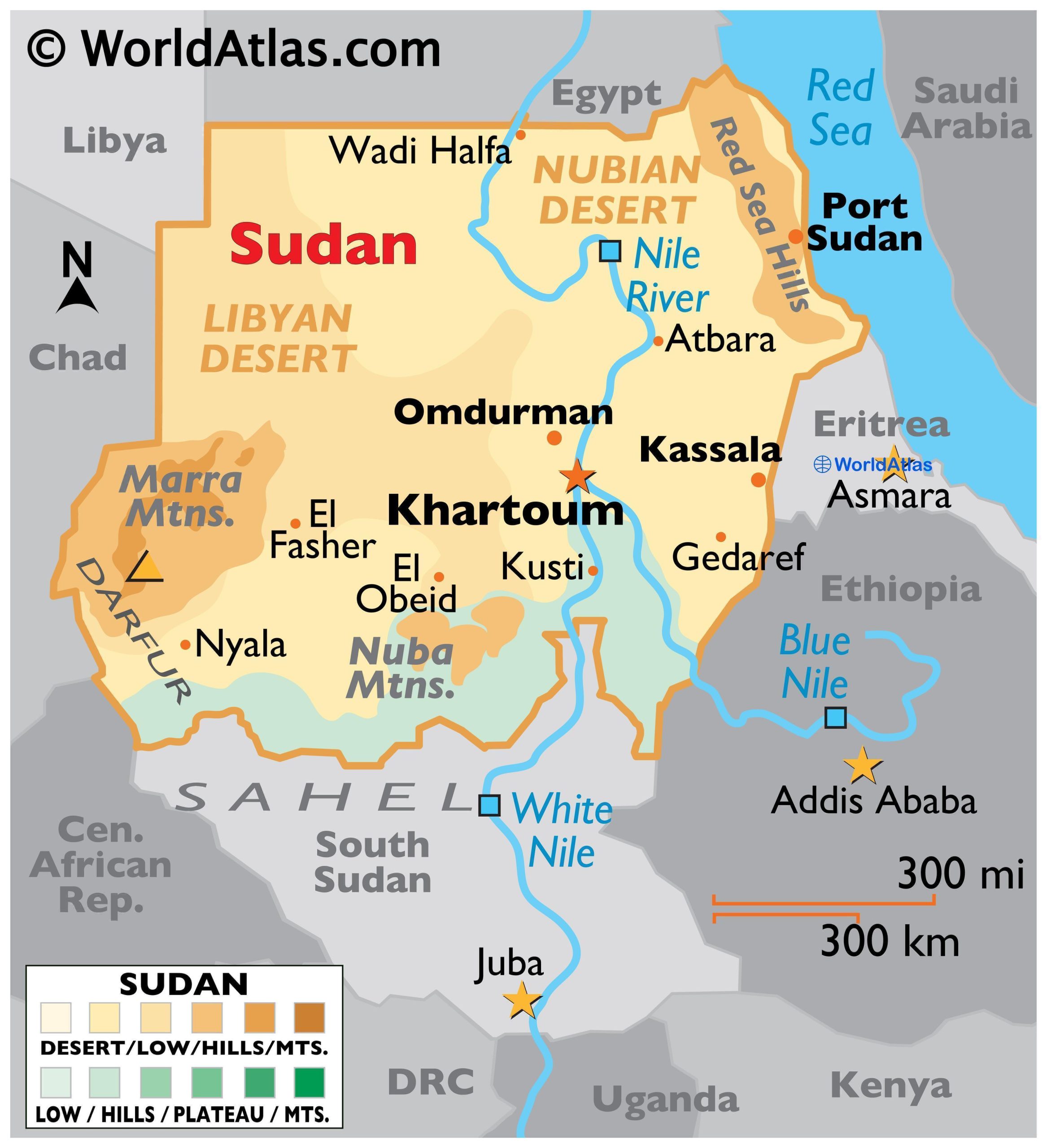
Field and political data reveal significant changes in the participation of armed battalions and media groups affiliated with the Islamist movement in the ongoing conflict between the Sudanese army and the Rapid Support Forces (RSF). This comes after strict Western sanctions and growing regional pressure to curb the influence of the former regime within state institutions and military bodies.
Private sources who spoke to Sudan Tribune indicate that 10 main and sub-units of battalions and formations affiliated with the Islamic Movement are fighting alongside the army in its fierce war against the RSF. Among the most prominent military formations are the Al-Baraa Ibn Malik Battalion and the Al-Bunyan Al-Marsous Battalion, alongside former Popular Security groups and the previously dissolved Popular Defence Forces.
Military sources revealed that the total number of ideological fighters and loyalist mobilization forces participating on the front lines reaches nearly 20,000 fighters distributed across various battle axes. These groups have suffered losses amounting to hundreds of dead and wounded since the outbreak of the conflict on April 15, 2023.
Media Influence and Declining Presence
Despite their field and media influence, signs of retreat have begun to appear through the gradual decline of military displays and press statements by these battalions. Sources within the Al-Baraa Ibn Malik Battalion confirm that the battalion’s commander, Al-Misbah Abu Zaid, left for China following an extended journey through several African countries.
Meanwhile, reports indicate that Awais Ghanem, a prominent leader in the battalion, left for Turkey, where he was recently joined by al-Naji Abdallah and several young leaders from the battalion and other groups. Al-Misbah Abu Zaid posted on Facebook, expressing gratitude for what has passed and hope for what is to come.
Monitoring and sources related to the fighting Islamist groups told Sudan Tribune that there are individual withdrawals of fighters from the battles, though some leaders and groups remain present under the banner of the Popular Resistance.
Sanctions and Internal Pressure
Individual sanctions imposed by the U.S. Department of the Treasury and the European Union on the Al-Baraa Ibn Malik Battalion and several prominent Islamist leaders, along with sanctions on the Chairman of the Sovereign Council and Army Commander General Abdel Fattah al-Burhan and military officials, marked a pivotal turning point.
These sanctions placed the General Staff under intense international pressure due to fears that the military institution could be officially placed on lists of terrorism supporters or entities subject to automatic sanctions. According to matching sources, the General Staff issued strict instructions prohibiting the display of any slogans or flags of Islamist battalions in operational areas.
Tactical Withdrawal and Strategic Moves
These transformations are reflected in the testimonies of former fighters who confirm a state of decline and gradual withdrawal of battalion elements following shifts in the military and political situation. Ahmed Mustafa, a former fighter in the Al-Bunyan Al-Marsous Battalion, told Sudan Tribune that they fought out of national duty and to protect the military institution when Khartoum was on the verge of falling.
However, recent developments showed that the army leadership began to guard against their presence and work to eliminate their field weight to avoid international sanctions and absorb regional pressure, prompting him to withdraw and stop participating.
Absorbing the Shock and Regional Rejection
Observers believe that the Islamists taking a step back does not necessarily mean their complete abandonment of the scene, but rather represents a tactic to absorb the shock and prevent the army from being fully targeted by international sanctions, giving the military leadership greater maneuverability to negotiate with international and regional parties.
On the regional level, Sudanese Islamists faced a solid wall of rejection, according to observers. Influential regional capitals made it clear that any future political settlement would not be accepted if it included reviving the front organizations of the Islamic Movement or the dissolved National Congress Party.
Mass Departures and Resource Challenges
The departure of prominent Islamist leader El-Naji Abdallah to the Turkish capital, Ankara, to resume his specialized studies in orthopaedic surgery emerges as evidence carrying deeper dimensions than a mere academic journey. According to Dr Idris, this shift reveals the hidden dynamics and structural conflicts within the army’s allied front.
Sources within these groups who spoke to Sudan Tribune on the condition of anonymity link the military and media withdrawal to a shift toward securing funding, arms, and shadow companies. This comes after sanctions and restrictions moved toward drying up the financial resources of the battalions, with departures abroad aimed at managing these funds from safe environments.