- DO YOU KNOW MORE? Email tips@.au
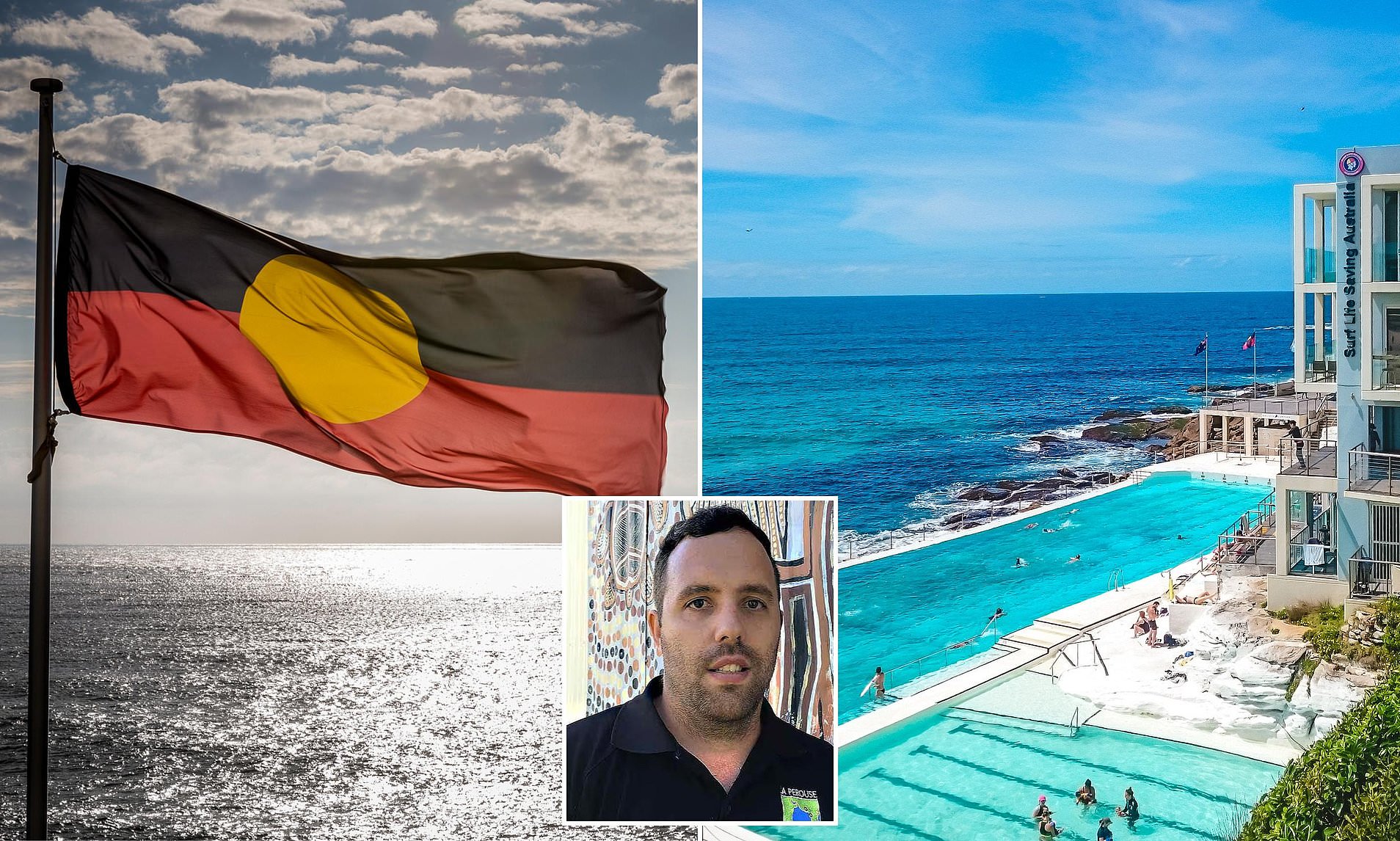
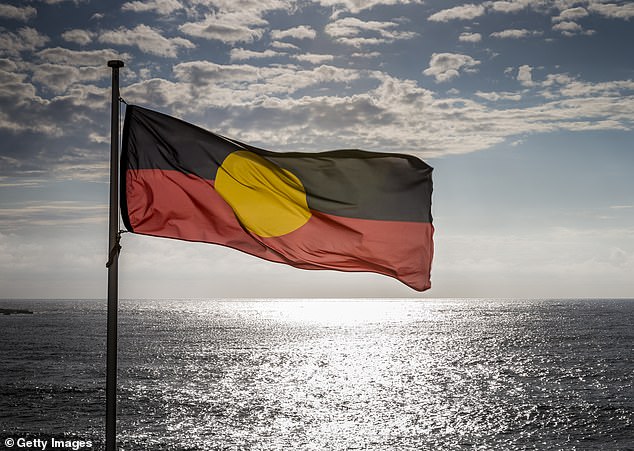
One of Sydney‘s most famous and scenic landmarks is subject to a claim by the local Aboriginal land council.
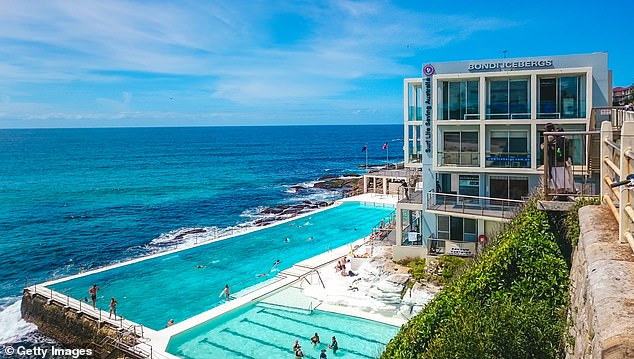
The La Perouse Local Aboriginal Land Council confirmed on Friday that it has lodged a land claim over the world-famous Bondi Icebergs pool and licensed club in the city’s east.
Located at the southern end of Bondi Beach, the venue is recognised as the most photographed swimming pool in the world and is in use all year round.
The Bondi Icebergs website states that it is the only licensed swimming club in the world.
It is also one of Sydney’s premier celebrity dining hotspots and has previously attracted the likes of Oprah Winfrey, Mick Jagger, Mariah Carey, Paris Hilton and Kim Kardashian, along with home-grown stars Margot Robbie, Kylie Minogue and Chris Hemsworth.
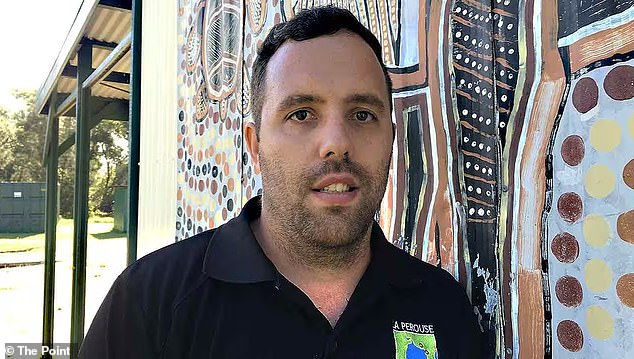
The La Perouse Local Aboriginal Land Council told 2GB that it is waiting for an answer from NSW Lands and Property Minister Stephen Kamper.
It added that the claim was lodged in 2009 and that it looks forward to it finally being determined, as the huge backlog of claims are worked through.
‘We remain willing to work constructively with Bondi Icebergs while the claim is being assessed,’ its statement read out by 2GB breakfast host Ben Fordham.

The land council added that the uncertainty surrounding the site is driven by the NSW government’s failure to determine land claims within a reasonable time frame.
It’s one of more than 44,000 unresolved land claims in NSW, according to Fordham.
The Daily Mail has contacted the La Perouse Local Aboriginal Land Council, Bondi Icebergs and Minister Kamper for comment.
Fordham urged Kamper to urgently step in and fix the ‘shocking’ system by introducing a law to prevent iconic sites from being subject to Aboriginal land claims.
‘Now we need to remember this is one of Sydney’s most iconic sites,’ he told listeners.
‘There are more than 44,000 unresolved land claims in NSW and all it takes is a technical breach by a tenant for a land claim to be judged successful.’
He added that every surf club in Sydney’s east has a land claim on it, including North Bondi, Clovelly, Coogee, Tamarama, Bronte and Maroubra.
‘That’s just further proof showing why the government has to fix this chaos,’ Fordham said.
‘The minister will have to bring in some legislation to protect these valuable public assets.
‘They shouldn’t face fishing expeditions from land councils, bowling clubs, tennis centres, and now Bondi Icebergs.’
Bondi Icebergs can be subject to an Aboriginal land claim because the site sits on Crown land owned by the NSW Government.
Under the Aboriginal Land Rights Act, Aboriginal land councils can lodge claims over Crown land if they believe it meets the legal definition of ‘claimable Crown lands’.
To qualify, the land must be legally available for sale or lease, not lawfully used or occupied, not needed for an essential public purpose and not subject to native title claims.
The claim does not mean the Land Council will automatically get the land.
The NSW Government must first determine whether Bondi Icebergs was legally entitled to use the Crown land when the claim was lodged and whether the site is exempt from being claimed.
If the land is ultimately found to be claimable, it can be transferred to the Aboriginal Land Council.
Fordham’s warning about the claim on the iconic site comes amid proposed changes to the Crown Land Management Act that would allow established sporting and community facilities on Crown land to continue operating for their existing purpose, even with an Aboriginal land claim.
A spokesperson for the NSW government said: ‘Community facilities should remain available to the communities that rely on them.
‘That is why the NSW Government is progressing important legislation to ensure well-utilised community and sporting facilities on Crown land remain in public hands,’ they said.
A similar battle over the former Waverton Bowling Club on Sydney’s lower north shore ended with the NSW Government losing its fight against an Aboriginal land claim.
The club went into liquidation and closed in 2019, ending its licence to operate on the Crown land, before two Aboriginal land claims were lodged over the site the following year.
The NSW Government initially rejected the claims, arguing the land was being lawfully used and occupied and was needed for the essential public purpose of public recreation.
The Aboriginal Land Council then took the case to the Land and Environment Court.
In its appeal, it argued that the use of the site by members of the public had not been lawful and that North Sydney Council had ‘no right to use the land.’
The Land and Environment Court overturned that decision in 2022 and ordered the land to be transferred to the Metropolitan Local Aboriginal Land Council.
‘I accept that North Sydney Council had a genuine desire to obtain the land for the purpose of open space (however) I am unable to be satisfied on the balance of probabilities that the claimed land would have a real chance or possibility to become open space,’ Justice Sandra Duggan ruled at the time.
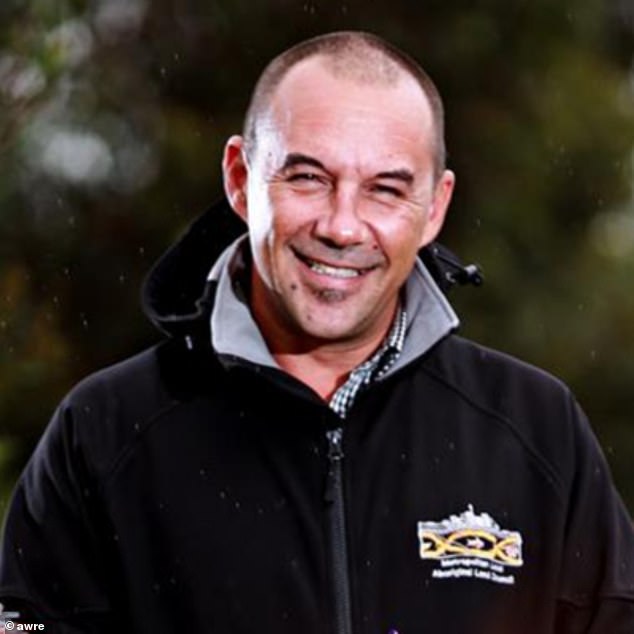
Nathan Moran, chief executive of the NSW Metropolitan Local Aboriginal Land Council, said the traditional owners occupied the land prior to colonisation.
‘It’s a tremendous thing to have any land claim approved – the site is huge and it’s a realisation of the Aboriginal Land Rights Act that provides crown land for recompense for the waters, minerals and lands we occupied prior to colonisation,’ he told the Daily Telegraph.
‘This is all we get under those land rights arrangements – it’s not justice, it isn’t equitable but it is recognition.’
However, the former bowling club has remained dormant since the successful land claim.
Just last week, a long-running tennis club on Sydney’s north shore was ordered to leave its home after the site was successfully claimed by an Aboriginal land council.
The Northern Suburbs Tennis Association has until September 30 to hand back the keys to its eight-court tennis centre at Naremburn following a claim lodged by the Metropolitan Aboriginal Land Council four years ago.