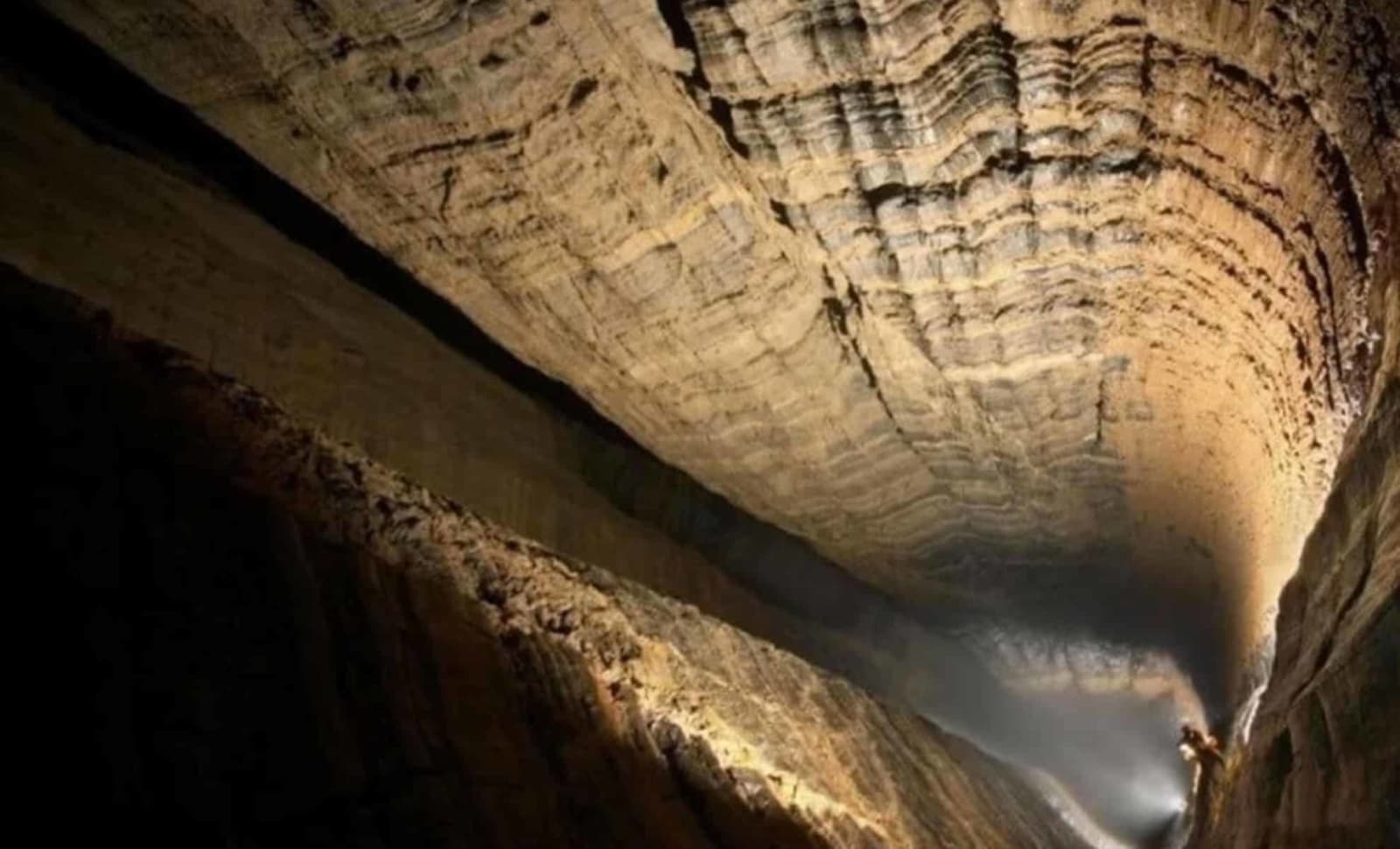
, the deepest known cave on Earth, plunges a staggering 7,257 feet (2,212 meters) into the abyss, forming a vast, vertical chasm that remains untouched by sunlight. This subterranean world is a place of unrelenting darkness, freezing temperatures, and towering waterfalls, where sudden floods turn narrow passages into inescapable death traps. Only the most skilled and determined explorers have dared to navigate its treacherous depths, encountering bizarre conditions that challenge the limits of human endurance.
A Descent into the Unknown
was first discovered in 1968, but its full depth remained unknown for decades. Only after nearly 30 expeditions did explorers finally reach its bottom, revealing a labyrinth of vertical shafts, freefall pits, and narrow passageways. The cave demands extreme endurance, as cavers must navigate near-freezing temperatures, high humidity, and crushing darkness.
, an ill-equipped solo explorer, perished from hypothermia at 1,100 meters. His body lay undiscovered in the darkness for nine months before being found.
Open the Youtube video
A Cave that Becomes a Death Trap
nearly didn’t make it out alive when a sudden surge of water roared through the tunnels.
Shone described the terrifying moment the cave turned against them:
“I just thought, ‘Oh my goodness. We have to leave right now. We cannot wait. If we just hang around, we’re all going to die.’”
. The flood raged for nearly 20 hours, cutting off escape routes and turning their underground camp into a watery grave. When the waters finally receded, they found their gear lodged high in the cave ceiling—a chilling reminder of how close they came to disaster.
An Alien World Beneath Our Feet
—a level of darkness so complete that human eyes will never adjust. In the deepest chambers, the brain hallucinates light in a desperate attempt to make sense of the nothingness.
, a 475-foot (145-meter) vertical drop, is a true abyss. Rappelling down feels like falling into infinite space, with nothing but a thin rope preventing a fatal plunge. The air pressure is 10% higher than at the surface, and temperatures hover at a frigid 39°F (4°C), making hypothermia a constant danger.
Life in The Impossible Depths
. The creatures that live here have evolved bizarre adaptations, allowing them to survive in an environment with no light, near-freezing temperatures, and almost no food.
of Veryovkina and nearby deep caves:
・Plutomurus ortobalaganensis – The deepest-known land animal, an eyeless insect found at 1,980 meters inside Krubera Cave. It navigates by touch and chemical signals, surviving on microscopic fungi.
・Xiphocaridinella demidovi – A blind cave shrimp that lives in total darkness, feeding on organic matter washed in by underground water currents.
・Duvalius abyssimus – A completely colorless, blind beetle that relies on smell and touch to find food.
・Heterocaucaseuma deprofundum – The deepest-dwelling millipede ever recorded, thriving in an environment where most life forms would perish.
, similar forms of life might be lurking beneath extraterrestrial ice sheets or deep in underground oceans.
for engaging stories, exclusive content, and the latest news.
.

Related posts:

Indian Man Nabbed for Smuggling 100 Exotic Animals from Thailand
Trump’s Tariffs Set to Take Effect: Japan Leads Negotiations as Global Concern Grows


PM Modi returns to India after concluding two-day State Visit to Mauritius

Trump to sign executive order establishing White House Task Force for 2026 FIFA World Cup