Digital Payments Transform Livestock Trade in Nigeria’s North-East
A recent study has uncovered a significant shift in the trading practices of farmers and merchants in the North-East region of Nigeria. The research highlights how digital payment systems are increasingly being adopted to combat theft and streamline accounting processes, marking a pivotal change in the agricultural sector.
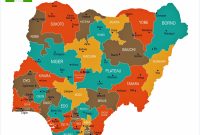
The findings indicate that over 45% of traders in Borno State now accept digital payments, with 28.6% using transfers and 17% utilizing Point of Sale (POS) terminals. This trend has gained momentum following the cash crunch in 2023, which exposed the vulnerabilities of cash-based transactions. As a result, tools such as Moniepoint’s POS and credit alerts have become essential for traders and farmers operating in the region.
The agricultural sector plays a crucial role in Nigeria’s non-oil economy, contributing 24.64% to the nation’s real GDP in the fourth quarter of 2024. However, the North-East has faced considerable economic challenges due to a decade-long conflict. Despite these difficulties, the region continues to be a vital hub for food production.
Smallholder farmers dominate food production in the area, with over 80% cultivating less than two hectares and supplying a substantial portion of Nigeria’s food. In Borno State alone, farmers produce more than two million metric tonnes of staple crops annually. The informal market remains the primary mechanism for moving these goods, highlighting the importance of traditional trade networks.
According to the report, 51.2% of traders in Borno source their goods from Maiduguri, a key hub that facilitates the movement of livestock, grains, vegetables, and agrochemicals across Nigeria. Yet, most transactions still occur outside formal banking structures, with credit primarily provided informally and payments made in person. Records are often kept through memory or handwritten ledgers, underscoring the need for more structured financial systems.
The study also revealed that over 51% of traders dispatch their goods from Maiduguri to cities across Nigeria and neighboring countries, reinforcing its critical role in the country’s food security. Nearly 37% of food chain actors have been in business for over a decade, showcasing the resilience and deep-rooted knowledge within the region.
Traders employ various transportation methods depending on their needs. Thirty percent use shared trucks for bulk transport, while 23.2% rely on smaller commercial tricycles. Others use motorcycles, allowing for flexibility in logistics based on route security, consignment size, and speed requirements.
Moniepoint Inc.’s CEO, Tosin Eniolorunda, emphasized the significance of this shift. He stated that financial inclusion is about dignity and enabling people to transact on their terms. The transformation in the North-East represents a broader structural impact, creating an economy where everyone can participate regardless of location or background.
Eniolorunda added that the story of Nigeria’s food chain is one of people, and Moniepoint aims to empower them with tools tailored to their reality. By offering secure, reliable, and instant payment solutions, the company helps de-risk operations and connect traders to the broader national economy.
This study aligns with previous case studies on family-owned businesses, Onitsha Market, community pharmacies, women-owned businesses, and the Informal Economy Report, all of which demonstrate how digital payment solutions are reshaping Nigeria’s commercial landscape across diverse sectors.
The adoption of digital payments in the North-East is not just a technological advancement but a transformative step towards inclusive economic growth. It empowers traders and farmers, strengthens local economies, and fosters resilience in the face of ongoing challenges. As these systems continue to evolve, they hold the potential to drive sustainable development and enhance food security across the region.