Key Developments in US-Iran Negotiations
The ongoing negotiations between the United States and Iran have been described as “orderly and constructive” by the US president, while Iranian officials highlight that some key differences still need to be resolved. These discussions are part of broader efforts to address the conflict in the Middle East, with various international actors weighing in on the potential outcomes.
US President Trump’s Stance on the Deal
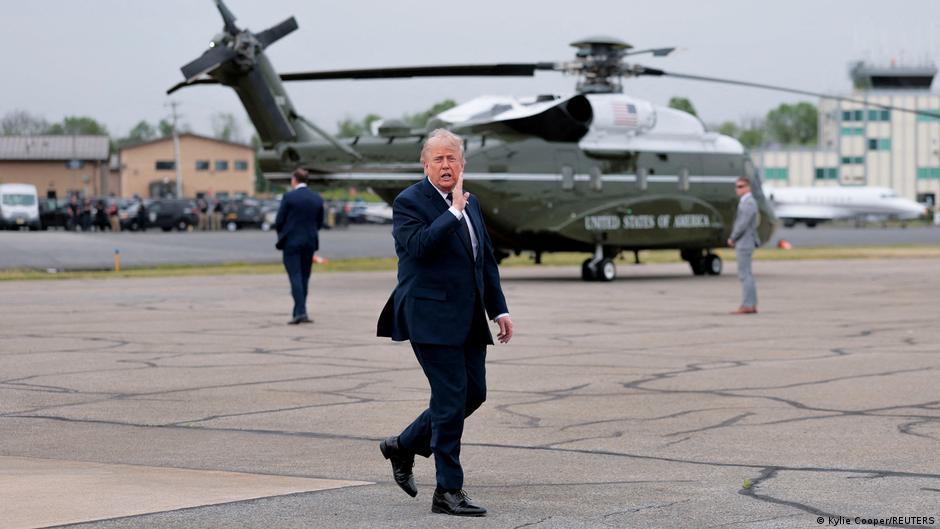
US President Donald Trump has emphasized that there is no rush to finalize a deal with Iran, stating that the negotiations are “largely negotiated” but not yet fully concluded. In a recent post on his Truth Social platform, he reiterated that time is on their side and that the blockade on Iran will remain in place until an agreement is reached, certified, and signed. He also praised the relationship between the US and Iran, suggesting it is becoming more professional and productive.
Concerns from US Officials
Despite the progress, some US officials have expressed concerns about the potential terms of the agreement. Senator Chris Van Hollen, a Maryland Democrat, criticized the reported outlines of a deal, calling it “little more than the pre-war status quo.” Republican Senator Roger Wicker warned that agreeing to a 60-day ceasefire could undermine previous military operations. Similarly, Senator Thom Tillis raised questions about allowing Iran to retain nuclear material.
Frozen Iranian Assets and Other Issues
One of the sticking points in the negotiations is the issue of frozen Iranian assets. Iran has long demanded the release of these assets held under US sanctions. The semi-official Tasnim news agency reported that key clauses of a possible deal remain unresolved, including this matter. Additionally, Iran has insisted that any agreement should end the war on all fronts, which includes addressing its involvement in conflicts such as the one in Lebanon.
Israeli Prime Minister Netanyahu’s Position
Israeli Prime Minister Benjamin Netanyahu has expressed concerns over the potential deal, emphasizing the need to eliminate the nuclear threat posed by Iran. He stated that any final agreement must dismantle Iran’s nuclear enrichment sites and remove its enriched nuclear material from its territory. Netanyahu also reaffirmed Israel’s right to defend itself against threats, including those from Hezbollah in Lebanon.
European Commission President von der Leyen’s Statement
European Commission President Ursula von der Leyen welcomed the progress toward an agreement between the US and Iran but stressed the importance of de-escalating the conflict. She highlighted the need for the Strait of Hormuz to be reopened with full freedom of navigation, for Iran to be prevented from developing a nuclear weapon, and for Iran to cease its destabilizing actions in the region.
UK Prime Minister Starmer’s Response
UK Prime Minister Keir Starmer welcomed the progress in US-Iran negotiations, emphasizing the need for an agreement that ends the conflict and reopens the Strait of Hormuz. He stressed that Iran must never be allowed to develop a nuclear weapon and pledged continued support for international efforts to achieve a lasting diplomatic solution.
Potential Announcement from US Secretary of State Marco Rubio
US Secretary of State Marco Rubio indicated that there could be news regarding a deal with Iran in the coming hours. He mentioned that significant but not final progress has been made in the Pakistan-brokered talks between Washington and Tehran. Rubio also emphasized the importance of reopening the Strait of Hormuz and starting a process that would ultimately prevent Iran from obtaining a nuclear weapon.
Pakistani Foreign Minister’s Comments
Pakistani Foreign Minister Ishaq Dar praised the phone call between US President Trump and Middle Eastern leaders as a significant step towards regional peace. He commended Trump’s leadership and commitment to dialogue and diplomacy, highlighting the sustained engagement that helped achieve meaningful progress in the negotiations.
Execution of a Man in Iran
In a separate development, Iran executed a man for allegedly supplying information to the US and Israel during their war with Tehran. According to reports, the individual provided data about Iran’s defense industry. Iran has carried out numerous executions in recent years, making it one of the countries with the highest rates of capital punishment.
Draft Agreement Details
According to reports, a draft agreement includes a 60-day extension of the ceasefire, the reopening of the Strait of Hormuz without tolls, the lifting of the US blockade on Iranian ports, and the removal of some sanctions to allow Iran to freely sell oil. The deal also includes commitments from Iran that it will never try to obtain nuclear weapons. US forces mobilized to the region will remain for the 60-day extension and will only withdraw once a permanent deal is reached. The draft also calls for an end to the war between Israel and Iran-backed militant group Hezbollah.