Introduction to the Fuel Levy Securitisation Initiative
The Kenyan government, through the Ministry of Roads and Transport, has introduced an innovative financial mechanism aimed at transforming the way infrastructure is funded. This initiative, known as fuel levy securitisation, has been a significant step in addressing long-standing challenges in the country’s road construction sector.
Understanding Fuel Levy Securitisation
Kenyan citizens contribute to road maintenance by paying a KSh 25 tax on each litre of fuel they purchase. The government now takes KSh 7 from this amount and channels it into a financial instrument that is sold to investors. Over the next seven years, these investors will recoup their investment. This process has generated an immediate influx of KSh 175 billion, which is being used to settle outstanding payments to contractors.
Impact on Road Projects
For years, many road projects in Kenya were stalled due to unpaid government invoices, leading to a decline in construction activity. Contractors withdrew from work, leaving sites idle for months. However, with the introduction of fuel levy securitisation, the government has started to address these issues. The funds are being utilised to reimburse contractors for unpaid invoices, which is expected to revive over 580 stalled road projects, particularly in Nairobi.
Government’s Financial Commitment
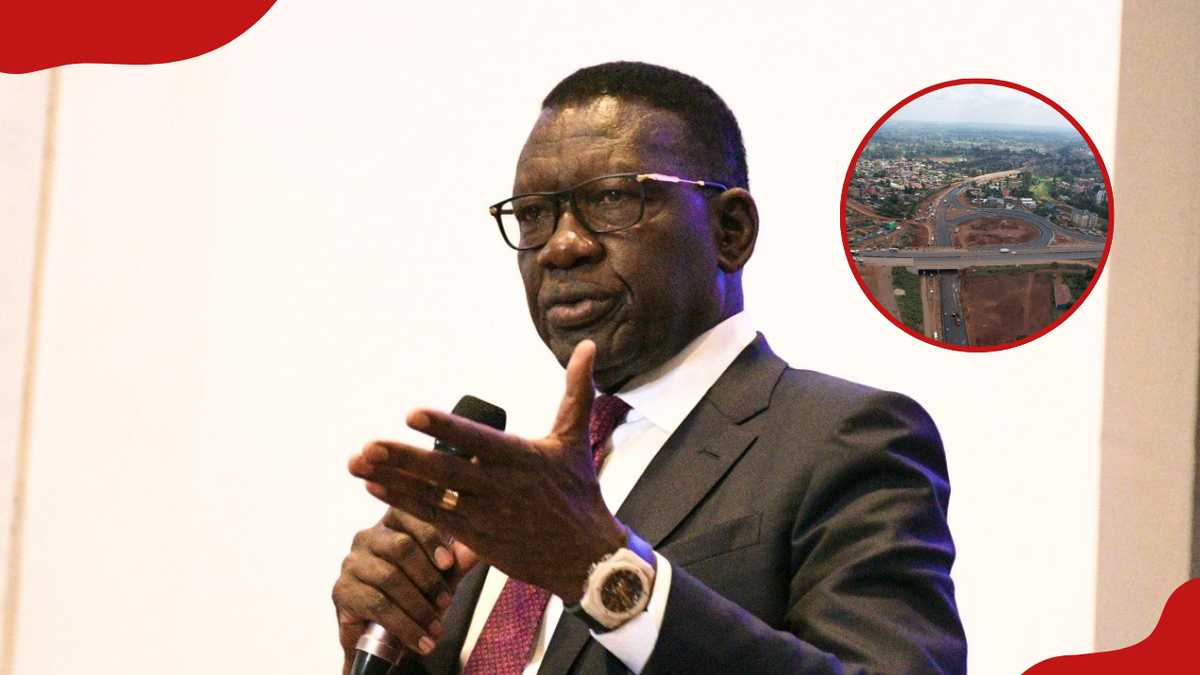
The Kenya Urban Roads Authority (KURA) director general, Silas Kinoti, highlighted that the initiative was a long-term idea that gained support from the highest office in the country. He explained that some of the KSh 175 billion will be allocated towards road construction, while other portions will cover interest on past-due payments and land compensation required for new road developments.
Progress in Settling Outstanding Payments
Since 2016, the amount of unpaid bills in the roads sector has been increasing. In 2022, President William Ruto’s administration revealed that it had inherited KSh 140 billion in unpaid dues. According to the government, 40% of this amount has already been paid, with another 40% expected to be settled within two weeks. The remaining balance will be addressed soon after.
However, there have been concerns raised about the payment process. Contractors have reportedly had to forfeit almost 35% of the interest on these unpaid invoices, even as they begin to receive payments. This situation has sparked questions about potential coercive practices by the government.
Economic Implications of Stalled Road Projects
Stalled road projects have had a noticeable impact on Kenya’s economy. In the third quarter of 2024, the country’s economic growth slowed to 4%, down from 6% in the same period in 2023. The Kenya National Bureau of Statistics (KNBS) reported that construction activity declined by 2% during the reviewed period. Additionally, the Ruto administration cut road construction by 69%, marking a decline not seen since the time of former president Daniel Moi.
During the first two fiscal years of the Kenya Kwanza Alliance administration, road agencies managed to build only 1,037 kilometres of roads, highlighting the challenges faced in maintaining consistent infrastructure development.
Conclusion
The fuel levy securitisation initiative represents a significant shift in how infrastructure financing is approached in Kenya. While it has provided much-needed relief to contractors and revived stalled projects, it also raises important questions about transparency and fairness in the payment process. As the government continues to implement this strategy, it will be crucial to ensure that all stakeholders are treated equitably and that the benefits of this financial innovation are fully realised.


