A New Legal Challenge in Utah’s Congressional Redistricting
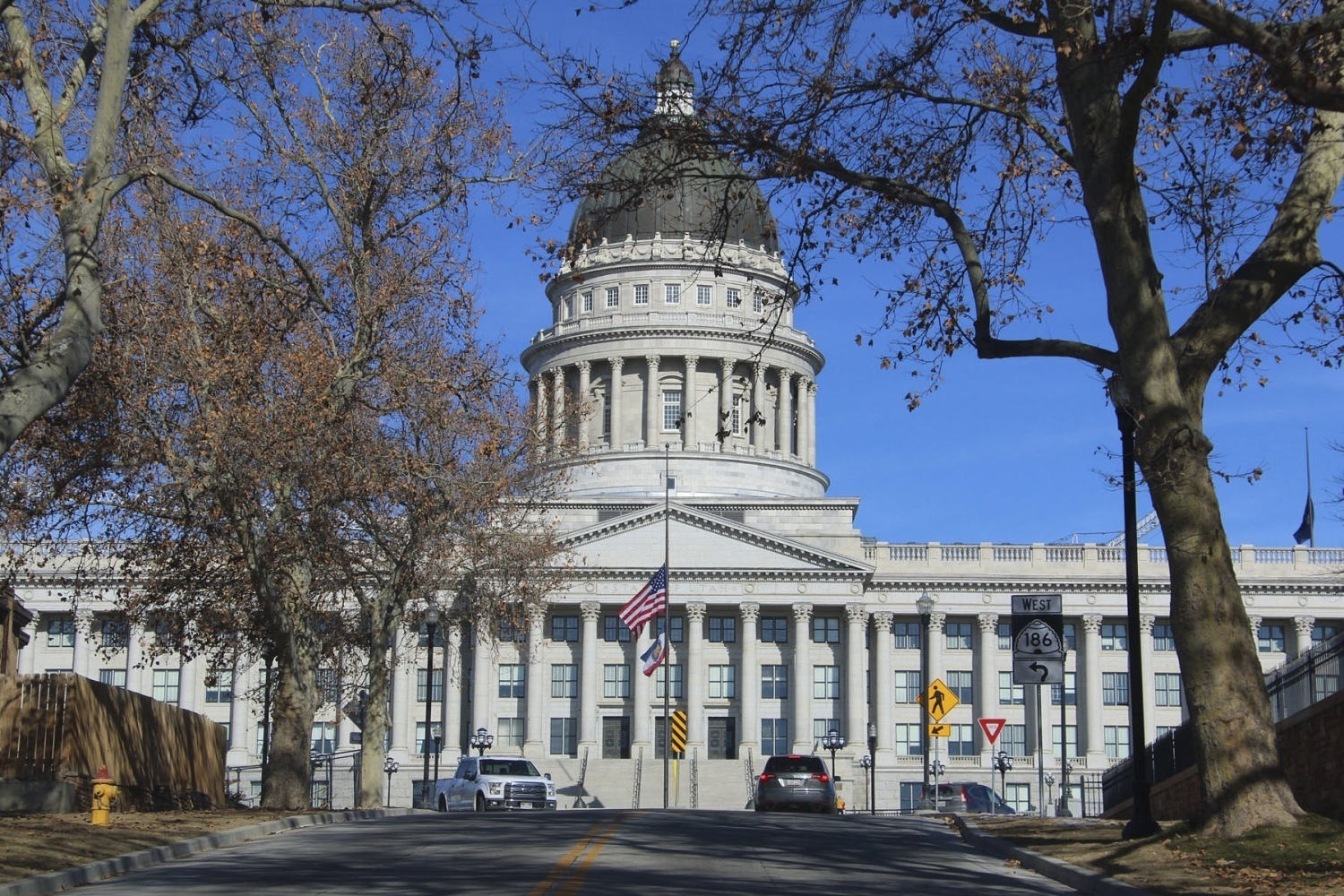
A recent ruling by a Utah district judge has sparked significant debate over the state’s congressional map. The decision mandates that Utah must redraw its districts because the Republican-controlled Legislature failed to adhere to a voter-approved ballot measure aimed at limiting partisan gerrymandering. This development adds another layer of complexity to the national struggle for control of Congress, particularly as the 2026 midterm elections approach.
The case centers around a 2018 ballot proposition that established an independent redistricting commission to propose congressional maps. Voters also included safeguards to ensure that new districts would not be drawn with excessive political bias. However, the state Legislature later passed a law that weakened these protections, effectively undermining the original intent of the voters.
Judge Dianna M. Gibson, in her 76-page ruling, emphasized that the Legislature had “intentionally stripped away” the core of the 2018 reform. She argued that redistricting is more than just political boundary-drawing; it fundamentally affects the democratic process. The way districts are structured can either protect fair representation or erode public trust and weaken the rule of law.
Gibson’s decision declared that the Legislature had unconstitutionally repealed the ballot measure, preventing the state from using its current district lines for future elections. She ordered the Legislature to create a new map within 30 days that aligns with the guidelines set by voters in 2018.
This ruling comes at a time when several states are reevaluating their redistricting processes. Texas Republicans, influenced by former President Donald Trump, have taken steps to redraw their state lines in an effort to gain additional seats in the U.S. House of Representatives. In response, California’s Democratic-led Legislature has proposed a plan to ask voters to temporarily adjust district lines to create more Democratic-leaning seats.
Other states are also considering similar actions, highlighting a growing trend of political entities attempting to shape electoral outcomes through redistricting. While Utah’s situation is unique, it reflects a broader national conversation about the role of independent commissions and the importance of maintaining fair representation.
Utah is a predominantly Republican state, with voters supporting President Donald Trump by a margin of over 20 points in the last election. The state’s current House delegation consists of four Republicans. However, Salt Lake County, which makes up more than one-third of Utah’s population, leans Democratic. In the 2024 election, the county supported Vice President Kamala Harris by 10 points. The existing congressional map splits Salt Lake County among four districts, each extending into Republican strongholds across the state.
As the legal battle continues, it remains unclear whether Utah will have new maps in time for the midterms. The state Legislature’s attorneys have indicated they may appeal the ruling to higher courts, including the U.S. Supreme Court. This could lead to further delays and uncertainty regarding the state’s electoral landscape.
The outcome of this case could have lasting implications for how redistricting is handled in Utah and potentially influence other states grappling with similar issues. As the nation moves closer to the 2026 elections, the question of fair representation and the integrity of the voting process will remain central to the political discourse.