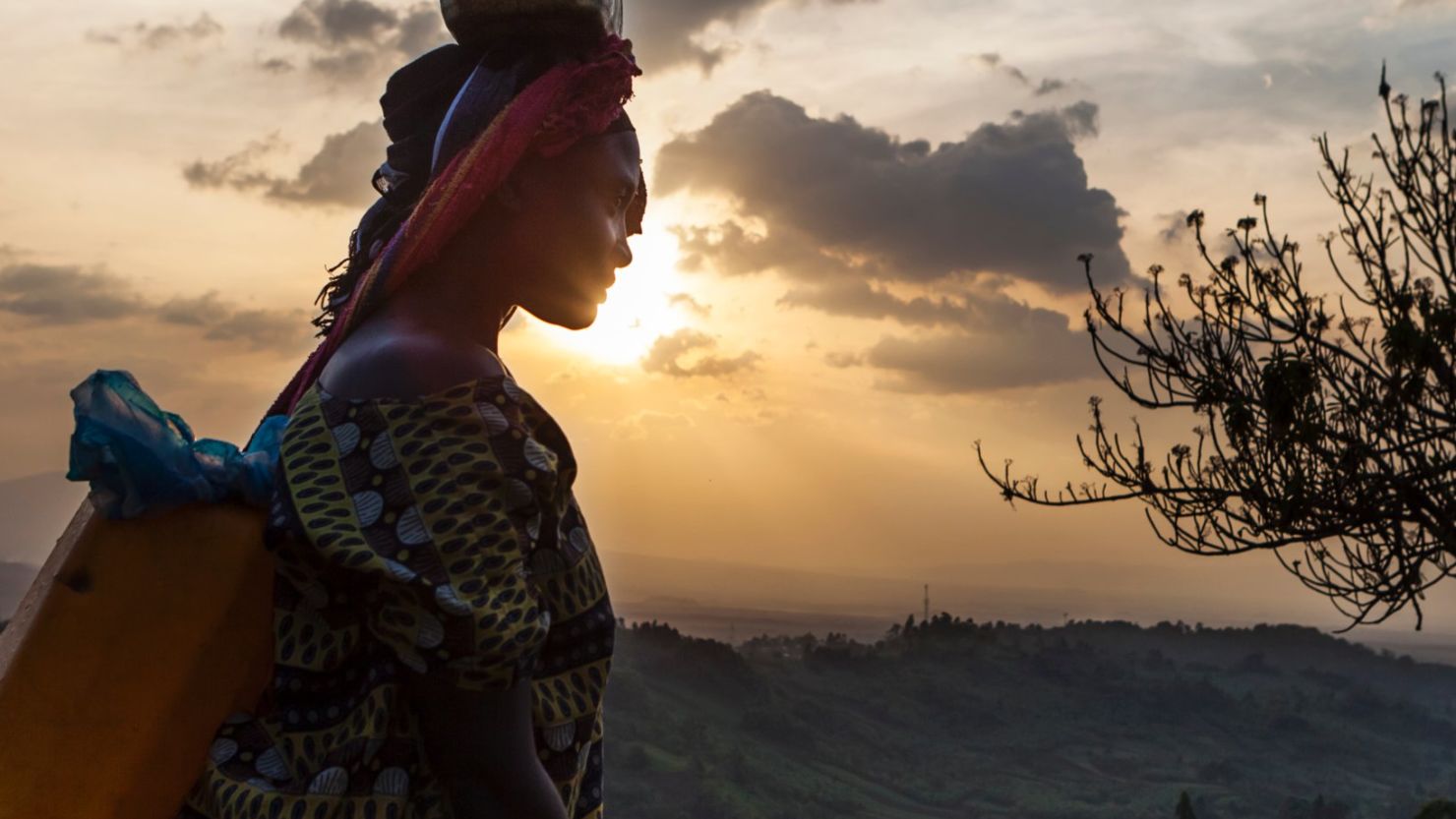
The Climate Crisis and the Disproportionate Impact on Rural Women
The climate crisis is not a neutral issue that affects everyone equally. Its consequences are deeply intertwined with existing social, economic, and gender inequalities. In many parts of the world, especially in low- and middle-income countries, rural women find themselves at the center of this growing injustice. While entire communities face the challenges of droughts, floods, heatwaves, and shifting weather patterns, it is often women who bear the heaviest burden due to systemic barriers in access to resources, decision-making power, and opportunities.
This inequality highlights that the climate crisis is not just an environmental challenge—it is also a matter of social justice, gender equity, and human rights. Rural women play a critical role in agriculture, natural resource management, and household caregiving. In many developing countries, including Zimbabwe and across sub-Saharan Africa, they make up the majority of smallholder farmers, producing a significant portion of the food consumed locally. Despite their vital contributions, they often lack secure land tenure, access to credit, irrigation systems, or improved seeds that could help them withstand climate shocks.
When climate events like droughts or floods destroy crops, rural women lose both their income and the food needed to sustain their families. Research indicates that female-headed households typically suffer greater economic losses from climate-related disasters than male-headed ones. This is not because women are less capable or less hardworking, but because they are systematically excluded from the resources and support necessary for resilience.
Beyond financial losses, rural women also shoulder invisible, unpaid responsibilities as climate change worsens household hardships. When crops fail, it is often women who stretch limited food supplies, search for alternative sources of nourishment, or skip meals so that children and men can eat. When water sources dry up, women and girls must walk longer distances to fetch water, which reduces the time they can spend on education, work, or community activities.
In many rural societies, women are the primary caregivers for children, the sick, and the elderly. Climate-related disasters increase illness, displacement, and malnutrition, placing additional strain on women’s already overburdened time and energy. This unpaid labor is rarely accounted for in economic assessments of climate change, yet it represents a significant hidden cost. It further limits women’s ability to pursue opportunities that could lift them out of poverty or strengthen their resilience to future shocks.
Adaptation strategies are frequently not designed with gender in mind. Many development programs assume that households are homogenous units where resources and responsibilities are shared equally. In reality, women may lack decision-making power even within their own homes. For example, a male household head might decide how to use income from crop sales, while a woman who did most of the farming remains excluded from financial decisions.
These disparities are compounded by broader institutional barriers. Land ownership laws, cultural norms, and patriarchal systems often prevent women from securing control over land. Without land rights, they cannot access loans, adopt new farming technologies, or invest in sustainable practices. Their ability to adapt to climate change is therefore severely limited.
Recovery after disasters also reflects these inequalities. Studies show that women are less likely to receive post-disaster aid, compensation, or relief packages. Their voices are often absent in community-level discussions about rebuilding or resource allocation. This creates a cycle of marginalization: women are hit hardest by climate shocks, yet receive the least support in recovery efforts.
The climate crisis affecting rural women in Africa, Asia, and Latin America is not of their making. Historically, industrialized nations have contributed the bulk of greenhouse gas emissions driving global warming. Yet it is rural communities in developing countries—especially women—who suffer the greatest consequences. This is a clear case of climate injustice: those least responsible for the problem are most affected by it.
Moreover, international climate finance often fails to reach grassroots women. While billions are pledged in global climate funds, much of it is captured by large-scale projects, governments, or institutions. Rural women’s cooperatives, local organizations, and community-led initiatives—which often have the best knowledge of local contexts—remain underfunded.
Bridging this gap requires intentional efforts to make climate finance accessible to women at the grassroots level. While rural women are victims of climate injustice, they are also powerful agents of change. Across the world, women are leading innovative responses to climate challenges: practicing agroecology, conserving seeds, managing water resources, and forming cooperatives to strengthen resilience.
Their knowledge of local ecosystems, biodiversity, and food systems is invaluable for sustainable solutions. What is needed is a shift from viewing women merely as vulnerable populations to recognizing them as key stakeholders in climate action. Policies must prioritize women’s access to land, finance, technology, and decision-making platforms. Programs should integrate gender-responsive approaches, ensuring that adaptation strategies address women’s specific needs and harness their potential contributions.
The climate crisis deepens pre-existing inequalities, making life disproportionately harder for rural women. This injustice cannot be addressed by environmental solutions alone—it requires social transformation. Governments, civil society, and international organizations must adopt a holistic approach that combines climate action with gender equality.
In Zimbabwe, for example, policies that promote women’s land rights, support female farmer cooperatives, and expand access to climate-smart technologies could significantly reduce vulnerability. Globally, climate finance mechanisms must be restructured to ensure direct support for grassroots women’s groups.
Ultimately, addressing the gendered impacts of climate change is not just about fairness—it is about effectiveness. A climate strategy that sidelines half the population is doomed to fail. By centering rural women in climate policies and investments, the world can not only correct an injustice but also unlock powerful pathways to resilience and sustainability.
The climate crisis is unjust for rural women because it magnifies structural inequalities while placing heavier burdens on those already disadvantaged. Rural women lose more, recover slower, and carry hidden costs that rarely feature in economic assessments. Yet they also hold untapped potential to lead transformative climate action. Recognizing, empowering, and supporting rural women is essential not only for justice but also for building resilient communities in the face of an increasingly unstable climate.


