A New Vision for Addis Ababa
I read an article that portrayed Addis Ababa’s transformation as a destructive act, as if building a modern capital is a crime. The narrative suggested that Africans are meant to remain in a state of decay so that the Western world can maintain its nostalgic image of us. This perspective is not only outdated but also deeply disrespectful. Africa is rising, and we will not apologize for our aspirations.
Our Heritage Is Not Pétanque
The article began with a scene of elderly men playing pétanque, a French game introduced by railway workers. While it may seem quaint, this image does not reflect the true essence of Ethiopian heritage. Pétanque is a borrowed pastime, played by a small group of people in a country of 130 million. Ethiopia’s heritage is much more than just a foreign game. It includes ancient palaces, churches, and mosques that have been carefully preserved during the city’s development.
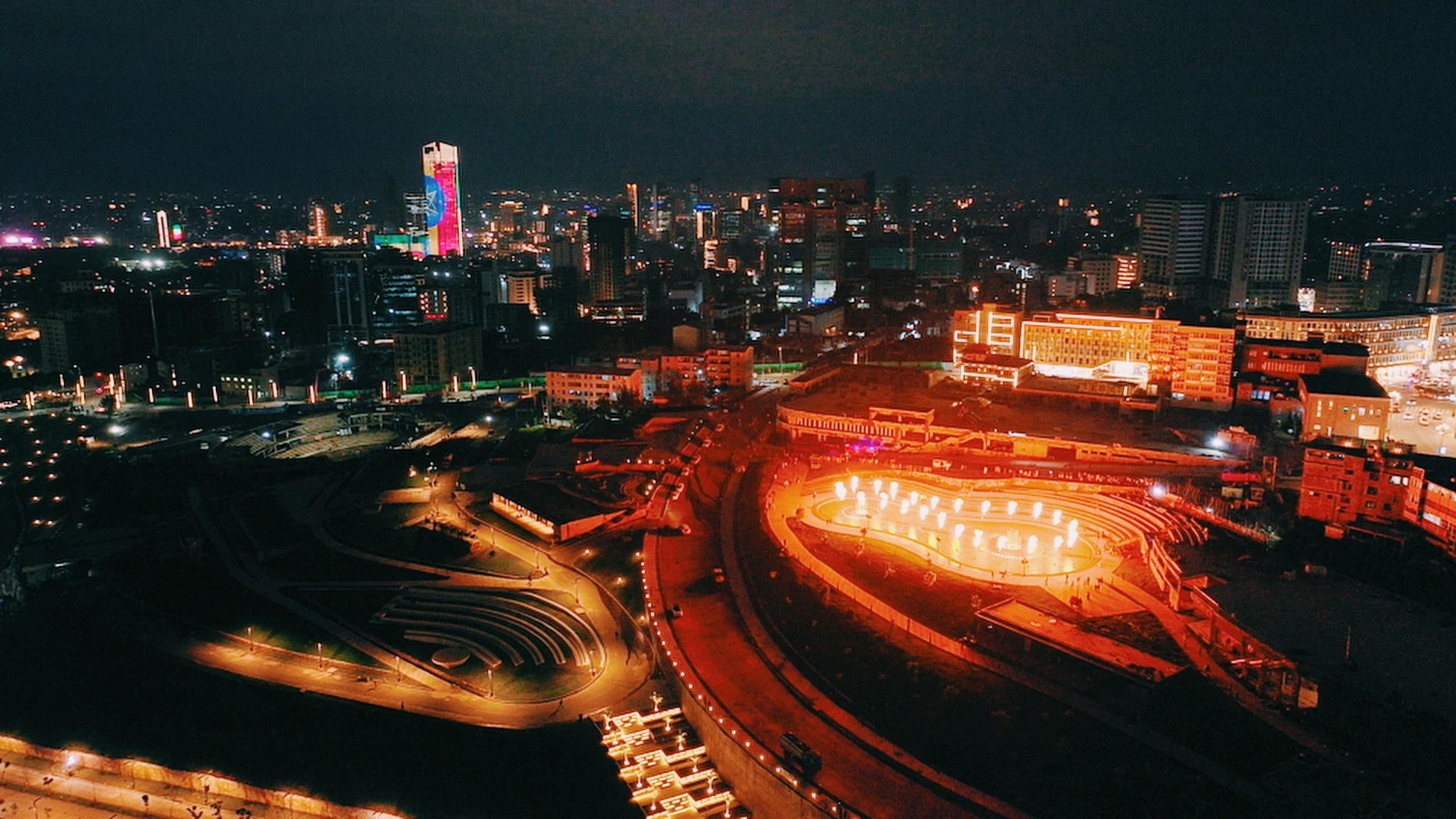
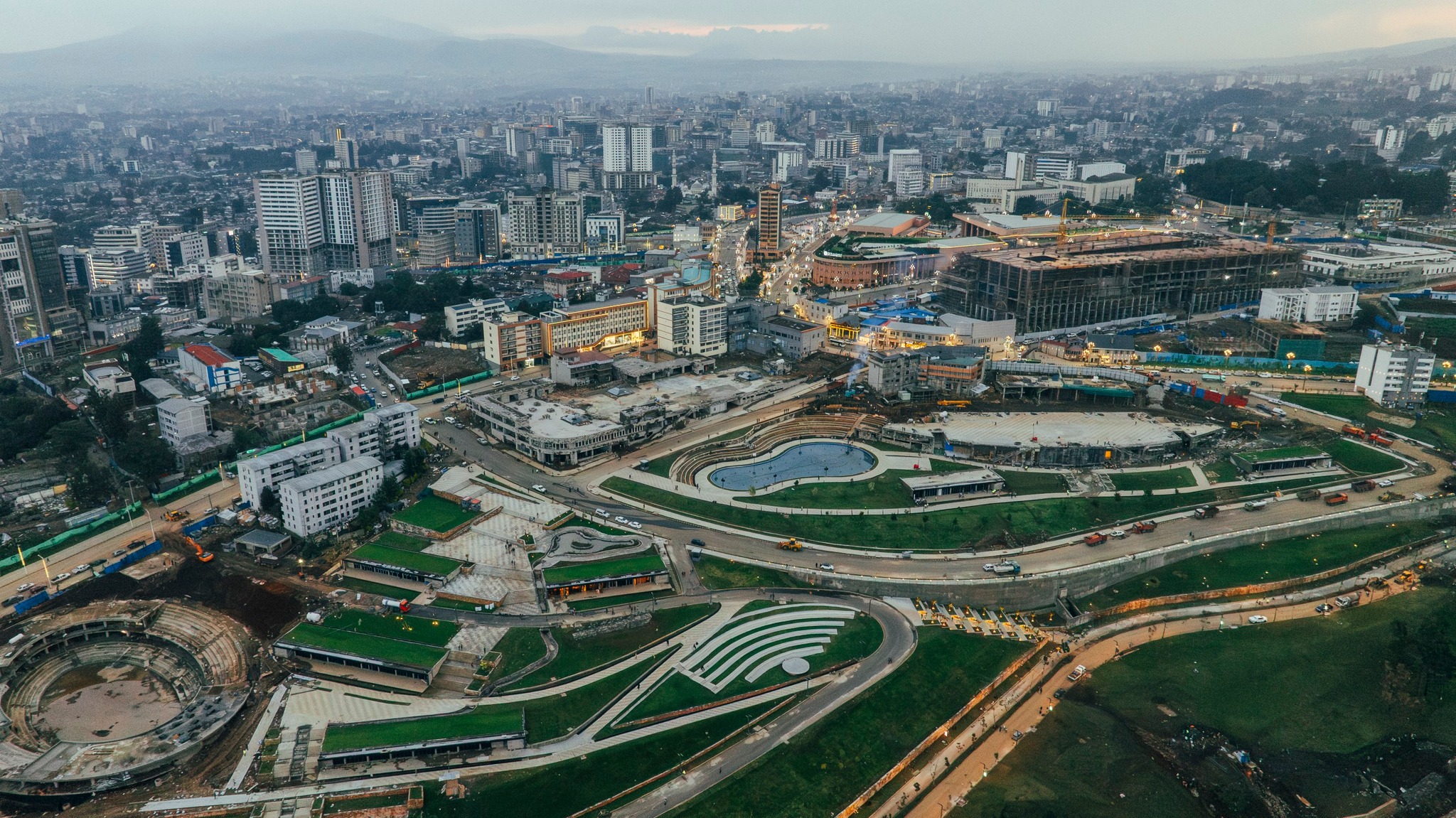
The Ethiopian Heritage Authority has been working diligently to ensure that historical sites are protected before any new projects commence. In the corridor development project, old structures have been restored, and Meskel Square, the heart of Addis Ababa, has been modernized without losing its historical significance. This is not about erasing the past, but about rebirth.
Cleaning Our Rivers, Greening River Banks
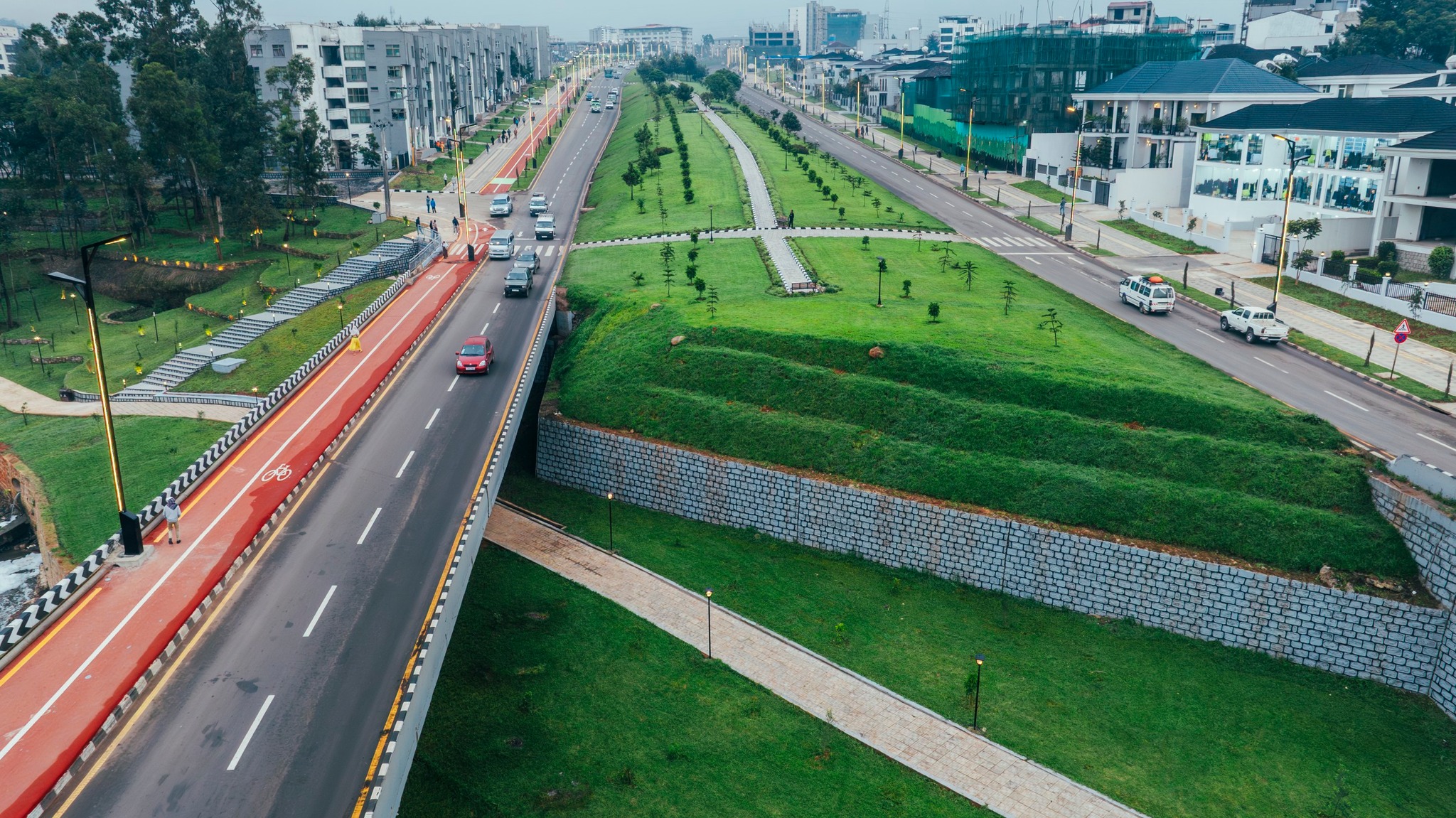
When I was younger, the rivers in Addis Ababa were black and polluted. Factories dumped waste into them, and sewage from homes flowed freely. Children were warned not to get near the water. Today, those same riverbanks have been transformed. Families now walk on shaded paths, children ride bicycles, and couples enjoy the scenery. This is not about creating prestige for the elite, but about restoring life.
London and Paris faced similar challenges with their rivers, and their efforts were celebrated as progress. Why, then, is Addis Ababa’s renovation being criticized? Africans deserve the dignity of clean environments and green spaces.
The Myth of False Claim
The article falsely claimed that 4,000 families were displaced for the Meskel Square project. This is not true. The square was simply refurbished, and no one lived there. The improvements included modern parking, underground shops, and terminals. However, in other parts of the city, many Ethiopians lived in slums without access to clean water, playgrounds, or safety. These communities were resettled to provide better housing and infrastructure.
Replacing collapsing shacks with safe housing, wide sidewalks, and public spaces is not cruelty—it is justice. When cities like London and Paris underwent similar transformations, it was called progress. Why should Africa be condemned for modernizing?
Built With Own Hands
One important point the article failed to mention is that Addis Ababa’s transformation was built by Ethiopians, using Ethiopian resources and expertise. Young people found jobs, women gained livelihoods, and engineers proved their skills. For once, the development was not dictated by external donors.
This self-driven growth is what unsettles some—Africa proving it can build without begging. The skyline of Addis Ababa is not a gift from outside, but the result of its own people.
A Pan-African Capital
Addis Ababa is not just Ethiopia’s capital; it is the seat of the African Union. When Africans from various countries arrive, they are not guests—they are coming to their continental capital. They deserve to see a city that reflects pride and can stand shoulder to shoulder with the world.
To suggest that Addis must remain shabby to stay “authentic” is to say Africans do not deserve beauty and progress. Our children should not grow up in broken streets while others enjoy glittering cities. This is an insult that must be bulldozed.
Beyond the Skyline, the Human Story
Addis Ababa is changing. Glass towers rise, roads widen, and the skyline glitters brighter each year. Visitors marvel at the transformation, comparing it to Dubai, Beijing, or even Paris. But for us Africans, the story of Addis cannot be told only through skyscrapers or state prestige. It is a city of flesh and blood, of mothers, fathers, workers, dreamers—a place where every stone carries memory and every street hums with resilience.
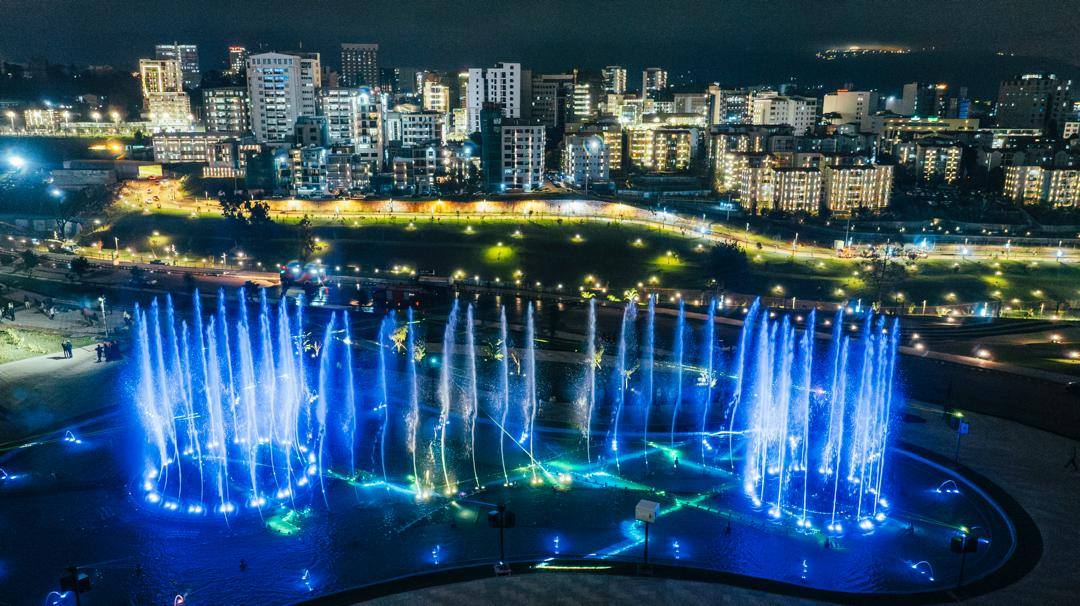
One shining example of this transformation is the Addis Ababa River and Corridor Development Project, known as the Sheger Beautifying Project, launched in 2019. The beauty, green spaces, walking sides, and service standards of Addis Ababa have increased significantly.
The rivers of Addis once ran as open sewers, polluted and forgotten. Today, through the project, they are being cleaned and reborn. Riverbeds are being dredged, waste channels redirected, and water treated. Along the river banks, new parks, gardens, and tree-lined corridors breathe life back into the city.
Friendship Park, built on reclaimed land, has become a gathering place for important events, families, couples, elders, and youth—a place where nature, community, and dignity meet.
But the project is not only about beauty; it is about survival and opportunity. The green spaces absorb floods that once devastated neighborhoods. The shaded walkways cool the air in a city growing hotter each year. New playgrounds, sports fields, and public toilets bring dignity to areas long neglected.
Bicycle paths and pedestrian lanes ease the burden of traffic and give people healthier, safer ways to move through the city. Most importantly, the project has created massive job opportunities. Thousands of youth have been employed in river cleaning, construction, landscaping, and maintenance. Local small businesses—from cafes to bike rentals—are bringing modern life to the city.
Tourism is expected to grow, bringing income not just to investors, but to ordinary street vendors, artisans, and workers who are the backbone of Addis. For young Africans looking for hope in their own soil, this is proof that development can mean jobs, not just buildings.
What matters is that Addis Ababa is not being remade in the image of others, but in its own. It is a city of renovation, experimenting, always moving forward.
Addis is more than a capital. It is the beating heart of Africa—headquarters of the African Union, the meeting place of our leaders, the seat of our shared future. When its rivers are cleaned, when its skyline rises, when its public spaces welcome the ordinary African to sit with dignity—it sends a message: we are capable, we are resilient, we are writing our own story.
Let them see the Sheger Beautifying Project not as an imitation of foreign models, but as an African renaissance rooted in the soil of Addis. The city is not losing its soul—it is expanding it. And for Black people everywhere—in Africa, in the Americas, in the Caribbean—Addis Ababa should stand as a reminder: our heritage is alive, our future is ours to build, and our story will never again be told for us by others.