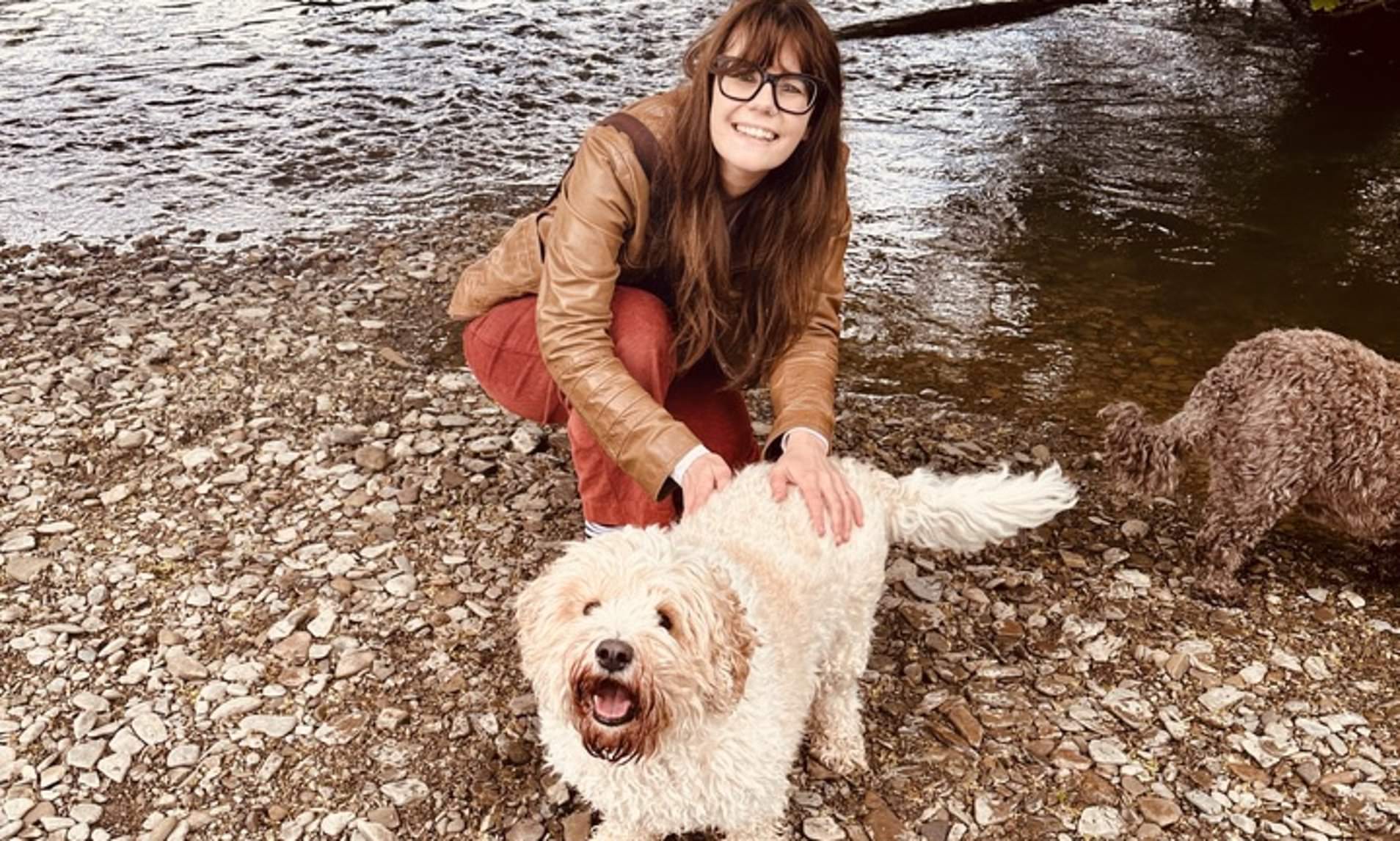
A Dog’s Impact on Work-Life Balance
Jackson, a scruffy Cavapoo-Basset cross, has become an integral part of Ann Lowe’s life. His floppy ears and anxious nature have led to a unique work-life balance for Ann, who now works from home to ensure his well-being.
Ann first met Jackson when she and her wife Lyn were looking for a dog. They came across him on a rehoming platform and were immediately drawn to his cute appearance. However, they soon realized that something was wrong with him. He was left alone for long periods, which caused severe trauma.
After bringing him home, Ann and Lyn discovered that Jackson was not just emotionally distressed but also physically unwell. He suffered from neglect and had to be taken to the vet for treatment. The experience was challenging, as leaving Jackson alone triggered panic attacks and physical illness.
This situation forced Ann to make significant changes in her professional life. As a freelancer, she now works from home, allowing her to care for Jackson without compromising his health. Her job at Spice Kitchen has been supportive of this arrangement, understanding the importance of her commitment to Jackson.
The impact of Jackson’s presence extends beyond their home. Research by Blue Cross highlights that many UK employees are opting for remote or hybrid roles due to pet care responsibilities. Nearly half of dog-owners feel judged or unsupported at work because of their pets. This trend is leading to increased stress and even job changes among pet owners.


As more employees return to the office post-pandemic, rehoming centers are experiencing a surge in dogs needing care. Many of these cases are linked to changing work circumstances that make pet care difficult. Blue Cross has seen an 18% increase in dogs coming into their care, emphasizing the need for more flexible work policies.
Ann recalls the day she first saw Jackson: “He was in a huge, clean house all on his own—no mum, no litter mates, no toys, no smell of dog.” She knew then that he needed help. Jackson’s early life was harrowing; he came from a puppy farm and was transported across the Irish Sea in a car boot. The trauma he experienced was severe, and it took time for Ann and Lyn to understand the depth of his suffering.


Once they brought him home, they realized how unwell he truly was. Jackson would often become ill when left alone, and the fear of him stopping breathing was constant. Ann and Lyn had to adjust their lives around his needs, ensuring he was never left alone.
Leaving Jackson alone triggered panic attacks, resulting in messes and distress. Ann tried various methods to ease his anxiety, but nothing seemed to work. Eventually, she decided to build her life around Jackson, working from home to provide the care he needed.

Ann and Lyn have made significant lifestyle adjustments to accommodate Jackson. They no longer travel outside the UK, and their second dog Marla always accompanies them. Ann relies on her mother, who lives nearby, to help with Jackson during emergencies. Her mother’s presence provides comfort and stability for Jackson, who trusts her more than anyone else.
Despite the challenges, Jackson has come through the worst of his difficulties. He is now a loving companion to family and friends, though he can be reserved with visitors staying overnight. Ann notes that people bringing deliveries to the house will always result in barking, but once they meet Jackson, he becomes very friendly.

Ann believes that work policies need to be more inclusive, allowing people to bring their dogs where practical. Blue Cross is advocating for compassionate and flexible work arrangements, including remote or hybrid flexibility and dog-friendly offices. These policies could benefit both employees and employers by improving team morale and attracting a wider pool of talent.
According to the research, nearly six in ten business leaders (59%) believe dog owners should be given similar flexibility to parents. More than half of dog-owning employees say they would spend more days in the office if allowed to bring their dogs to work. A quarter of applicants actively look for firms offering pet-friendly offices with doggy daycare and hybrid flexibility.

However, companies reluctant to make allowances for pets may face consequences. According to the study, 15% of dog-owners would put their pooch before their pay cheque, insisting they would quit if ordered back into the office full-time. Ann acknowledges that while employers need to make choices, there is a growing need for more understanding and support for pet owners.
In conclusion, Jackson’s story highlights the deep bond between humans and their pets. Ann’s commitment to Jackson has led to significant changes in her professional life, emphasizing the importance of flexible work policies. As society continues to evolve, the need for more inclusive and compassionate workplace practices becomes increasingly evident.


