Overview of the EU’s Entry/Exit System (EES)
The European Union’s long-awaited Entry/Exit System (EES) for non-EU nationals is set to be implemented starting on 12 October, marking a significant shift in border control procedures. This new system aims to enhance security and manage the movement of visitors within the Schengen Area, which allows free travel across 26 European countries.
Despite the planned rollout, many travelers have voiced concerns about potential confusion and delays during the initial phase. A survey conducted by Holiday Extras revealed that 82% of respondents were unclear about how the EES would affect their trips, with 35% unaware that the new rules come into effect this weekend. Nearly one in five holidaymakers has already changed or canceled travel plans due to worries about border delays.
Phased Implementation of the EES
The EES is being introduced gradually over six months, as EU Member States begin implementing the system. The process involves installing dedicated infrastructure at border crossings, a task that has proven complex. According to reports, only three countries—Estonia, Luxembourg, and the Czech Republic—will have the EES fully operational for all arrivals and departures on 12 October.
Switzerland will implement the system at airports in Basel and Geneva on 12 October, while Zurich will follow on 17 November. Smaller airports such as Lugano, Dübendorf, and Bern are expected to have the EES in place by the end of March 2026. In Germany, only Düsseldorf airport will use the EES from 12 October, with Frankfurt and Munich following later. Spain will test the EES on Sunday with a single flight arriving at Madrid airport.
Border Checks for Dover, Eurostar, and Eurotunnel Travellers
For travelers departing the UK via the Port of Dover, the Eurotunnel terminal in Folkestone, and the Eurostar terminal at London St Pancras, EES registration will take place upon departure, overseen by French border officials. From 12 October, only freight and coach traffic will be subject to EES checks at both the Port of Dover and the Eurotunnel terminal. Other traffic, including car passengers, will be affected from 1 November.
Regarding Eurostar, only business and premium class passengers will face EES checks from 12 October. For other passengers, these checks will begin in January 2026.
What the EES Means for Travelers
At borders where the EES is in place, travelers from the UK, US, and other non-EU countries will need to scan their passports or other travel documents at self-service kiosks. This does not apply to legal EU citizens or residents or those with long-stay visas.
The system will register the traveler’s name, biometric data, and entry and exit dates. Facial scans and fingerprint data collected during the first registration will be stored in the EES database for three years. During this time, travelers will only need to provide a fingerprint or photo at the border when entering and exiting, which will be matched against stored data.
Potential for Border Delays
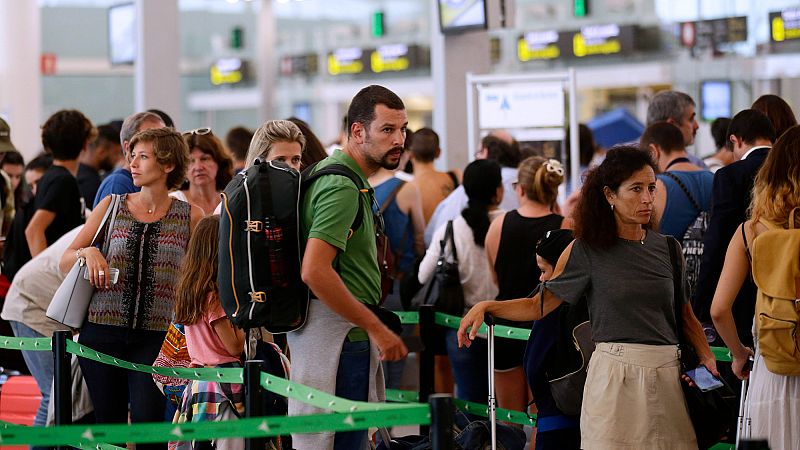
One of the main concerns for travelers is whether the new system will cause queues and long waiting times at borders. Julia Lo Bue-Said, chief executive of the Advantage Travel Partnership, warned that the addition of EES checks could exacerbate existing bottlenecks at busy airports. She advised travelers to allow three to four hours to get through the new checks.
Eurostar has taken steps to ease delays at the border. To address overcrowding at the historic London St Pancras station, it is allowing passengers to board trains 30 minutes before departure instead of waiting in the lounge. The operator will also double the number of border staff and manual booths.
EES Will Be Followed by ETIAS in 2026
The EES will be followed by the European Travel Information and Authorisation System (ETIAS) in late 2026, with a transitional grace period of at least six months, meaning it won’t be mandatory until 2027. This system will require non-EU travelers who don’t need a visa to obtain authorisation before entering the Schengen Area.
Travelers will need to complete an online application, provide personal details, answer security questions, and pay a €20 fee. This authorisation will be linked to the traveler’s passport and valid for three years or until the passport expires. Travelers from 60 non-EU countries will need to comply with ETIAS, but there are exceptions. The fee will be waived for children under 18 and adults over 70, although they will still need to apply for authorisation.


