The Role of Technology in Nigerian Elections
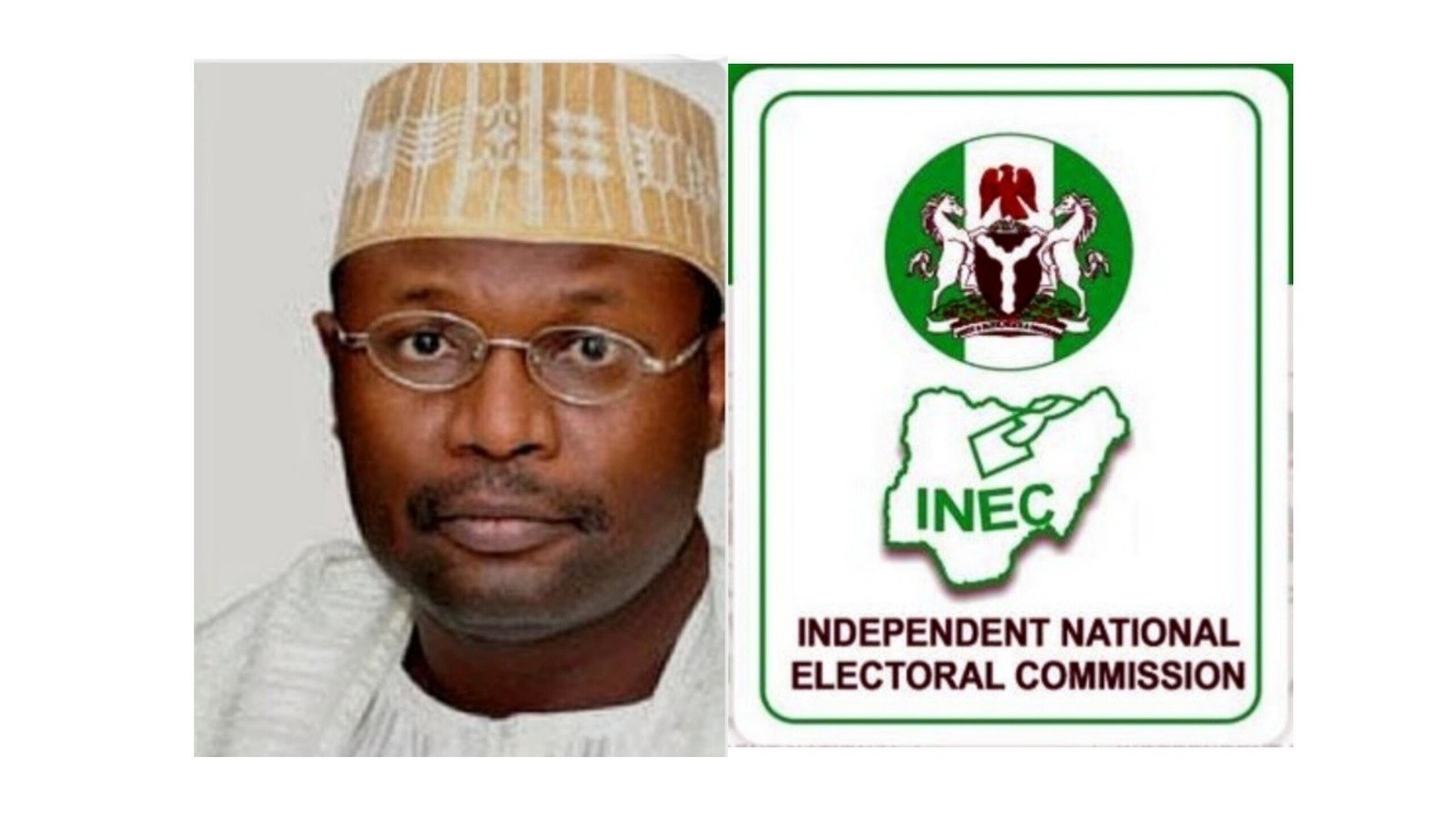
The immediate past Chairman of the Independent National Electoral Commission (INEC), Prof Mahmood Yakubu, has shared insights on the role of technology in Nigeria’s electoral process. While acknowledging the advancements made over the last decade, he emphasized that technology alone cannot resolve the persistent challenges undermining the credibility of elections.
Yakubu’s reflections are detailed in a newly released book titled Election Management in Nigeria: 2015–2025, published by INEC. This 200-page publication offers a comprehensive account of the commission’s operations, achievements, and setbacks during his two-term tenure, which began in 2015. Describing the book as “the first, most comprehensive record of these milestones, lessons, and challenges,” Yakubu highlighted the significance of this period in the history of election management in Nigeria.
Technological Innovations and Inclusivity Efforts
Key technological innovations introduced during his tenure include the Bi-Modal Voter Accreditation System (BIVAS), the INEC Voter Enrolment Device, the INEC Results Viewing portal, and the expansion of voter access to polling units. These tools were aimed at improving transparency and efficiency in the electoral process. Additionally, Yakubu pointed out efforts to enhance inclusivity through targeted policies for women, youth, persons with disabilities, and internally displaced persons.
Despite these achievements, Yakubu acknowledged that the period was not without its challenges. Issues such as multiple litigations, conflicting court orders, electoral violence, vote trading, and logistical failures have continued to pose obstacles to smooth election conduct. He also noted that technical challenges with equipment and connectivity failures sometimes hindered the process.
Reforms and Future Challenges
In response to these challenges, INEC undertook a series of reforms, including intensified voter education, training for electoral officials, and closer collaboration with security agencies. Policies were also developed to guide the deployment of electoral technology. Looking ahead, Yakubu stressed the need for continued reform and vigilance, emphasizing that the conduct of elections would continue to evolve, presenting fresh challenges that require either consolidation of existing measures or the formulation of new reforms.
He also underscored the importance of public trust and inclusivity in the electoral process, stating that the commission must fully embrace both successes and failures while intensifying confidence-building measures. He argued that only through these efforts can free, fair, credible, and inclusive elections be ensured, and democracy in Nigeria be consolidated.
The Yakubu Years
Yakubu was first appointed as INEC Chairman by former President Muhammadu Buhari on October 21, 2015, and was confirmed by the Senate on October 28, 2015. He became the first person to be reappointed to the position, earning a second term in November 2020 under Buhari’s administration. Before his appointment, Yakubu served as the Executive Secretary of the Tertiary Education Trust Fund and had a long academic career, including as a professor of political history and international studies.
His tenure was marked by both reforms and controversies. He oversaw two general elections—in 2019 and 2023—and several off-cycle elections across the country. Under his leadership, INEC introduced significant technological innovations, such as BIVAS and the INEC Result Viewing portal, aimed at improving electoral transparency and credibility.
However, the 2023 general elections drew widespread criticism from political parties, civil society groups, and the public over logistical failures and alleged irregularities. While INEC defended the process and cited technical glitches, the credibility of the results, particularly the presidential election, was contested in court.
Security challenges, voter apathy, logistical setbacks, and political pressure were persistent issues during his tenure. Despite these, some observers acknowledged efforts at institutional reform and improved voter engagement.
Criticisms and New Leadership
Reacting to Yakubu’s comments, the Peoples Democratic Party (PDP) and the Labour Party accused him of hypocrisy and failure during his tenure. They blamed him for encouraging electoral malpractices and undermining public confidence in the nation’s democratic process. PDP Deputy National Publicity Secretary, Ibrahim Abdullahi, challenged Yakubu to explain why he failed to address the challenges he raised during his 10-year leadership.
The Labour Party’s National Publicity Secretary, Obiora Ifoh, argued that the major problem with Nigeria’s elections did not lie in technology but in corrupt INEC officials who manipulated the process for political interests. He further accused Yakubu of deliberately undermining the system before the 2023 polls.
On the other hand, the National Secretary of the New Nigeria People’s Party (NNPP), Dipo Olayokun, defended INEC, arguing that politicians, not the commission, should bear the greater responsibility for flawed elections. He urged the incoming INEC chairman to embark on reforms that would guarantee free and credible elections.
The New INEC Leadership
President Bola Tinubu, who assumed office in 2023, accepted Yakubu’s resignation and decorated him with the national honour of Commander of the Order of the Niger in recognition of his service. On Thursday, the National Council of State approved Tinubu’s nomination of Professor Joash Amupitan as the new INEC Chairman. The appointment is now subject to Senate screening and confirmation.
Until then, Agbamuche-Mbu will continue to oversee the commission’s affairs as Acting Chairman. The new leadership faces the challenge of addressing the lingering issues in Nigeria’s electoral process while ensuring the integrity and credibility of future elections.


