A Political Firestorm Over the Collapse of a Spying Case
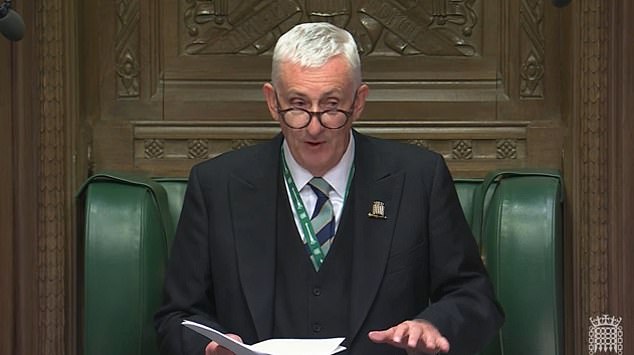
Labour ministers faced intense scrutiny from the House of Commons today as they were called to address the collapse of a high-profile case against two men accused of spying for China. The Speaker of the House, Sir Lindsay Hoyle, expressed frustration over the lack of protection provided to Parliament, highlighting concerns about the integrity of the institution.
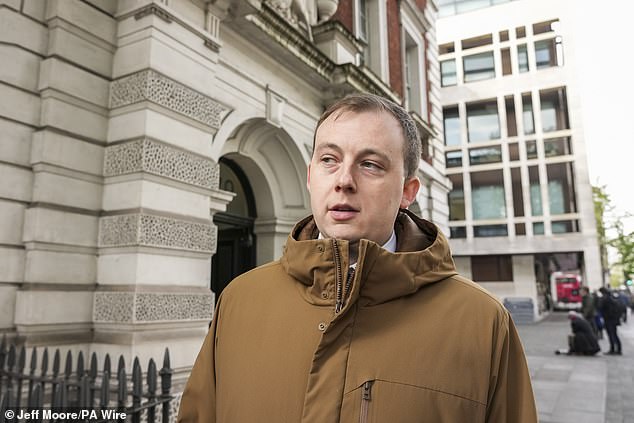
The court proceedings against Chris Cash, 30, and Christopher Berry, 33, ended last month when the government decided not to classify Beijing as a threat to national security. Both men were declared not guilty and have denied any wrongdoing. Sir Lindsay Hoyle criticized the decision, stating that Parliament had been “spied on” and that MPs’ offices had been infiltrated.
Government Response and Accusations
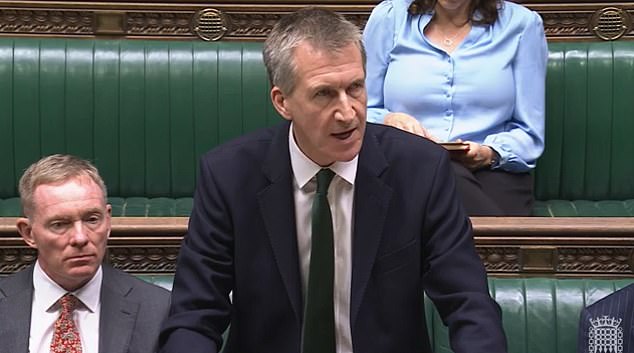
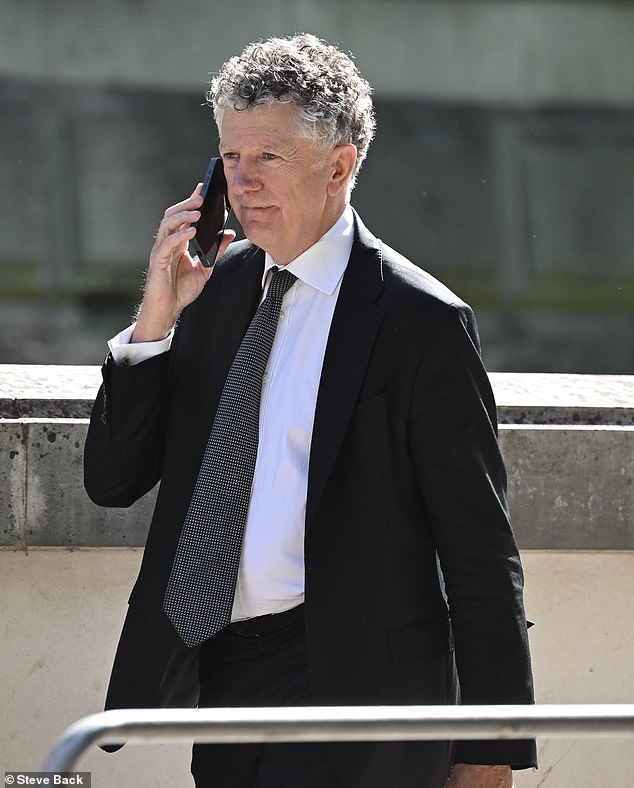
Security Minister Dan Jarvis was set to address the situation in a statement to MPs, who are demanding clarity on whether No10 played a role in the case’s collapse. Blame has been directed at Jonathan Powell, a former Tony Blair adviser, and the Treasury, with accusations that they pushed for the case to be dropped due to fears that China might withdraw its investment in the UK.
Before calling Mr. Jarvis to speak, Sir Lindsay emphasized his disappointment, stating that he felt Parliament was not receiving the protection it needed. He urged the government to address the concerns raised by members of the House.
The government has denied any involvement, claiming that the decision to drop the charges was made solely by the Crown Prosecution Service (CPS). However, Conservative Party leader Kemi Badenoch has written to the Prime Minister, asking him to address “unanswered questions” in Parliament.
Political Tensions and Calls for Transparency
The Conservative Opposition is seeking an urgent question on the case, while Tory grandee Sir Iain Duncan Smith has reportedly requested an emergency parliamentary debate. Mrs. Badenoch stated that there are many questions to answer and expressed concern about a potential cover-up.
She emphasized the need for transparency, stating that the government must clarify who knew what, where, and when regarding the case. She also pointed to Jonathan Powell as someone who has questions to answer.

The Prime Minister’s official spokesman dismissed claims of ministerial involvement, stating that the CPS decision was entirely independent. However, Mrs. Badenoch has suggested that information contradicts this claim, emphasizing the importance of the government coming clean about the matter.
National Security Concerns and Diplomatic Implications
Foreign Office Minister Hamish Falconer acknowledged that China poses a threat to the UK, citing cybersecurity and its relationship with Russia. He claimed the trial collapsed due to the “ropey” and “archaic” Official Secrets Act.
Mr. Falconer added that ministers will follow the normal process when deciding on whether China can build its so-called “super embassy” in London. Reports suggest the government has given Beijing assurances about the future of the embassy site.
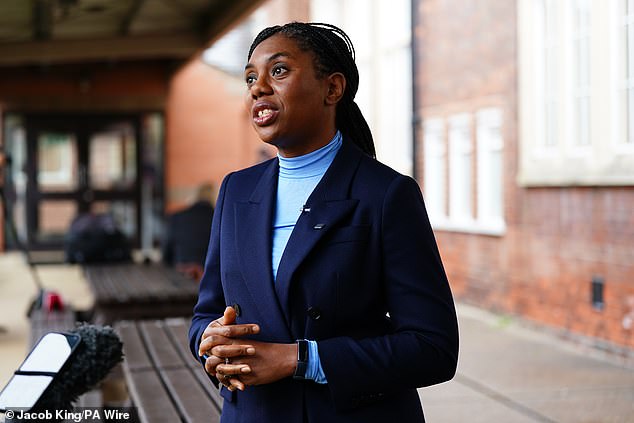
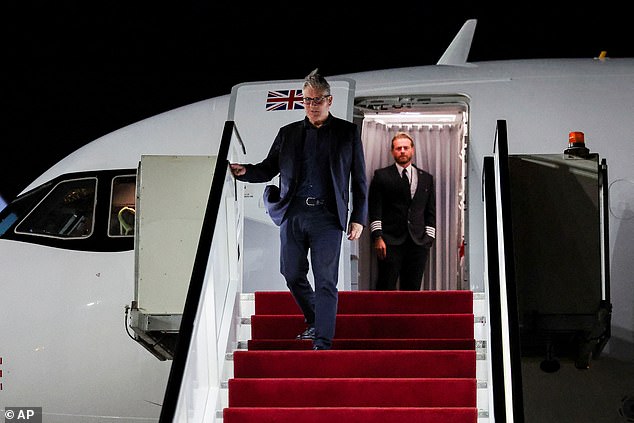
In a letter to the Prime Minister, Mrs. Badenoch criticized the government’s account of events, noting that it has changed repeatedly. She questioned why the Prime Minister would travel to the Middle East instead of addressing the issue in Parliament.
Ongoing Investigations and Public Scrutiny
Britain’s most senior prosecutor, Stephen Parkinson, stated that the case collapsed because evidence describing Beijing as a national security threat could not be obtained from the previous administration. He noted that the CPS had tried for many months to obtain the necessary evidence but was unsuccessful.
Mrs. Badenoch demanded clarification on whether the current government still maintains that it would have been impossible to argue China was a threat in court. She also sought answers regarding claims that Jonathan Powell had discussed the case in a recent meeting.
The Sunday Times reported that Mr. Powell had revealed the government’s evidence would rely on the national security strategy, which does not label China as an “enemy.” The paper also cited a source suggesting that a minister was informed around six weeks ago that the case was about to fall, with allegations of collusion between Mr. Powell and the Treasury.
The White House has expressed concerns about the UK’s reliability following the dropping of charges, while two former senior civil servants, Lord Mark Sedwill and Lord Simon Case, have also questioned Sir Keir’s explanation of how the case collapsed.
Conclusion: A Nation Divided Over National Security
The collapse of the Chinese spying case has sparked significant debate within the UK, raising questions about the government’s handling of national security issues. As the political tensions continue to mount, the public and Parliament await further clarity on the events that led to the case’s downfall. The implications of this situation extend beyond the courtroom, affecting diplomatic relations and national security policies.