The Decline of the U.S. Dollar and the Risks Ahead
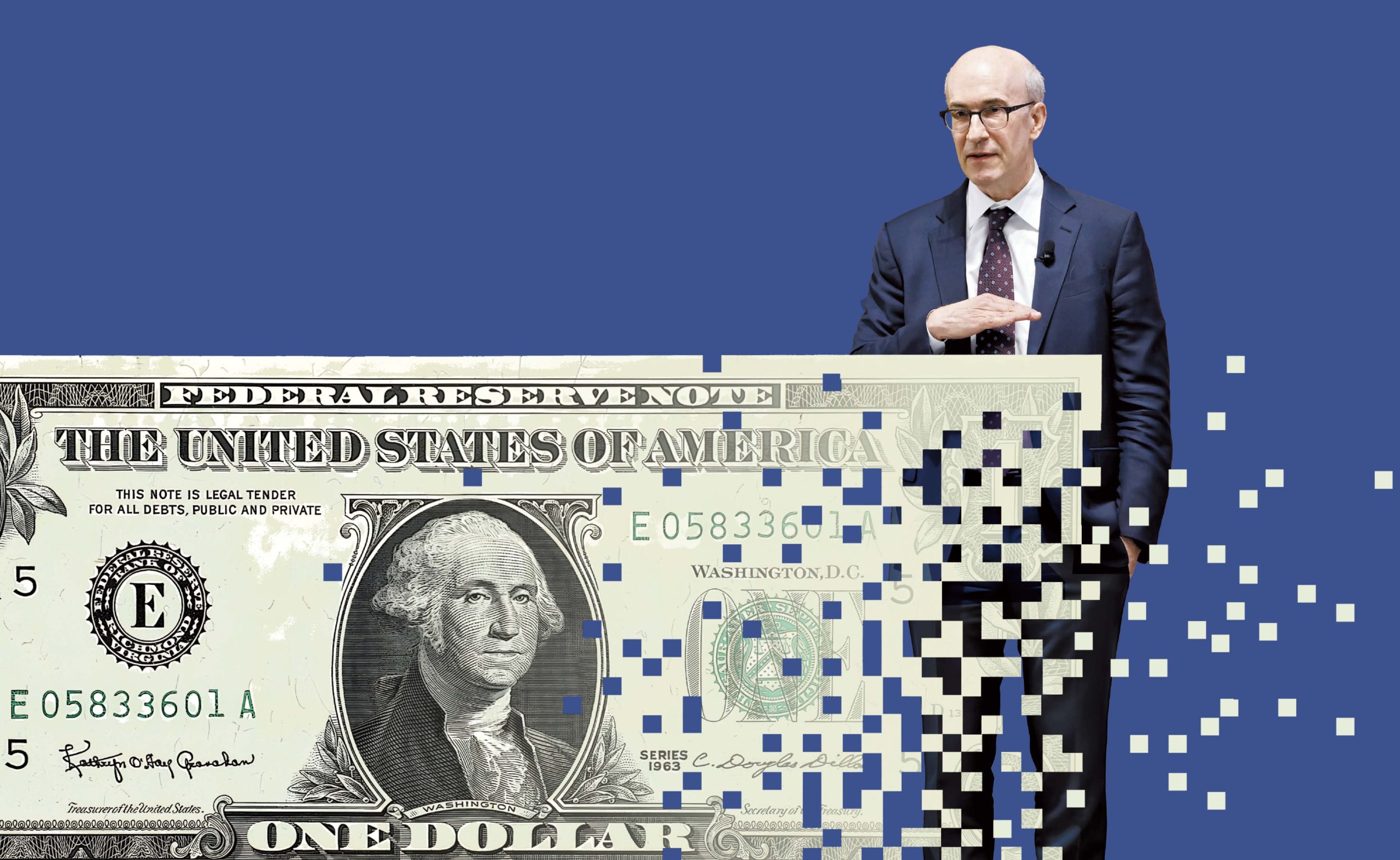
The U.S. dollar, once the undisputed global reserve currency, has been on a steady decline since reaching its peak in 2015. According to Kenneth Rogoff, a professor of international economics at Harvard University, reversing this trend is already a daunting challenge, and the return of former President Donald Trump to power could accelerate it dramatically. Rogoff, a renowned scholar in macroeconomics and international finance, served as the International Monetary Fund’s chief economist and is known for his warnings about the vulnerabilities of the U.S. financial system.
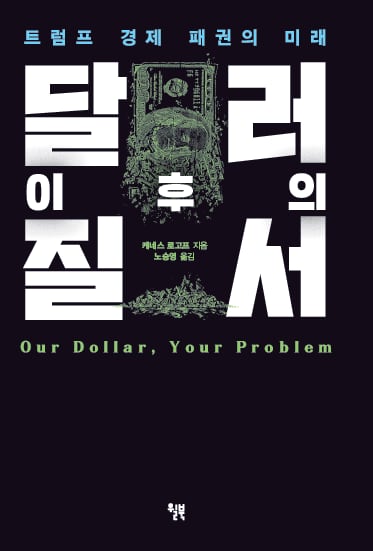
In his latest book, The Order After the Dollar (originally titled Our Dollar, Your Problem), Rogoff warns that the dollar-dominated financial system is not invincible. He argues that the greatest risks to dollar hegemony come from within the United States, where politicians and economists have fallen into the delusion that ultra-low interest rates will remain the norm. This mindset, he says, is a classic case of “this time is different.”
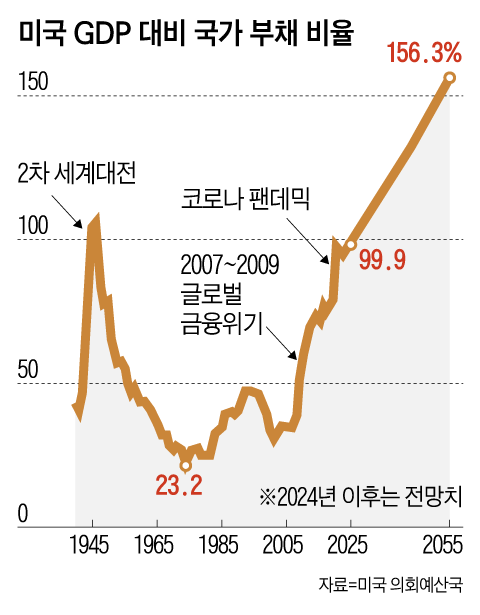
Rogoff highlights the growing concerns around U.S. national debt and its implications for both the dollar and the global economy. He notes that the U.S., the world’s largest borrower, faces extreme challenges if long-term interest rates remain high. The combination of massive debt and high interest rates is particularly dangerous, as it increases the government’s financial burden significantly.
Major Crisis Within Five Years
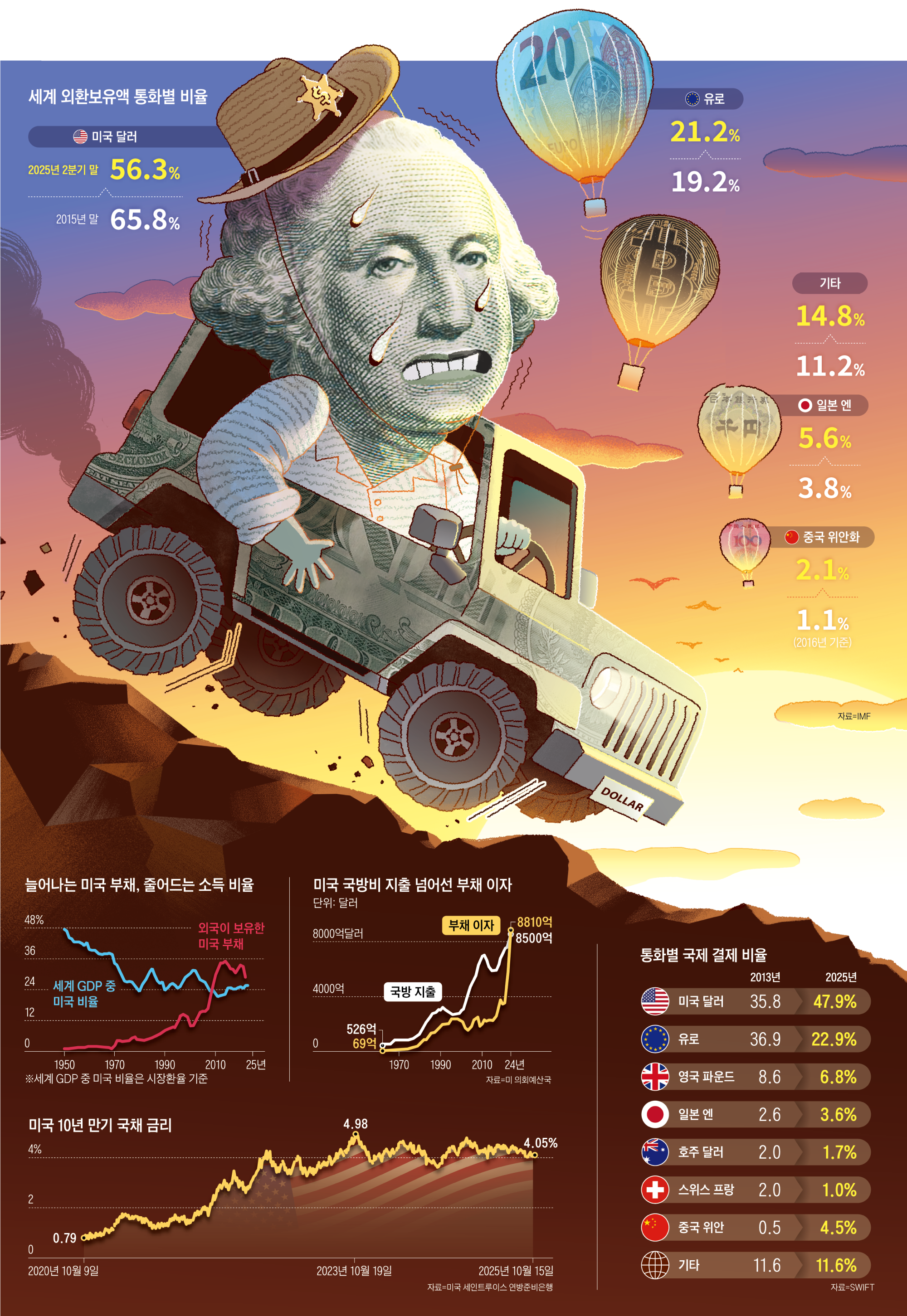
Rogoff emphasizes that the era of “Pax Dollar” (dollar hegemony) could collapse faster under Trump’s return. He points out that the U.S. is facing severe problems caused by rising debt, which has surged to three times its level in the early 2000s. The U.S. 10-year Treasury yield has risen from 0.79% five years ago to above 4%, while the total interest paid by the U.S. government on its debt reached $881.1 billion last year, surpassing defense spending for the first time.
Rogoff warns that the U.S. may be unable to manage its debt within the next four to five years. He outlines four main options the U.S. could take: tax hikes and spending cuts, inflation, financial repression, or partial default. While the latter is drastic, it cannot be ruled out, especially with the influence of figures like Steven Miran, who has advocated for an intentional U.S. Treasury default.
Partial U.S. Debt Default Cannot Be Ruled Out
Rogoff also discusses the risks posed by the Federal Reserve’s independence. Trump has openly pressured Jerome Powell, the Fed chair, to cut interest rates and has targeted Fed governors he dislikes. Rogoff believes that Trump will ultimately defeat the Fed, as he is known for taking whatever steps necessary to achieve his goals. If Trump secures a majority of Fed governors, he could easily replace regional Fed presidents with pro-government figures.
The loss of the Fed’s independence could have severe long-term consequences, especially during crises such as pandemics or fiscal emergencies. An independent Fed that loses trust could cause chaos, allowing inflation to spiral out of control.
Dollar Hegemony Has Been Declining Since Its 2015 Peak
Despite Trump’s outward favor of a “strong dollar,” Rogoff argues that his policies will accelerate the dollar’s decline. Indiscriminate tariff hikes, attacks on the Fed’s independence, and unsustainable deficit spending all contribute to this decline. Countries are beginning to consider diversifying into other currencies, as the U.S. is no longer seen as a reliable trading partner.
Rogoff predicts that the dollar will decline to a state similar to the 1950s or 1970s, where it is not as dominant as it is now. He expects the euro and the Chinese yuan to gain more share in global foreign exchange reserves. Virtual currencies also pose a threat to dollar hegemony, signaling a shift toward a multipolar currency era.
The Future of Global Currencies
As the U.S. dollar’s dominance wanes, countries like South Korea must adapt. Rogoff suggests that Asia should adopt a more balanced exchange rate policy, increasing yuan holdings in foreign reserves and considering a weighted average exchange rate that includes multiple currencies. This diversification is essential for navigating the changing global financial landscape.
Kenneth Rogoff continues to warn about the risks of the current economic model, emphasizing the need for caution and preparedness. His insights highlight the complex interplay between politics, economics, and global stability in an increasingly uncertain world.


