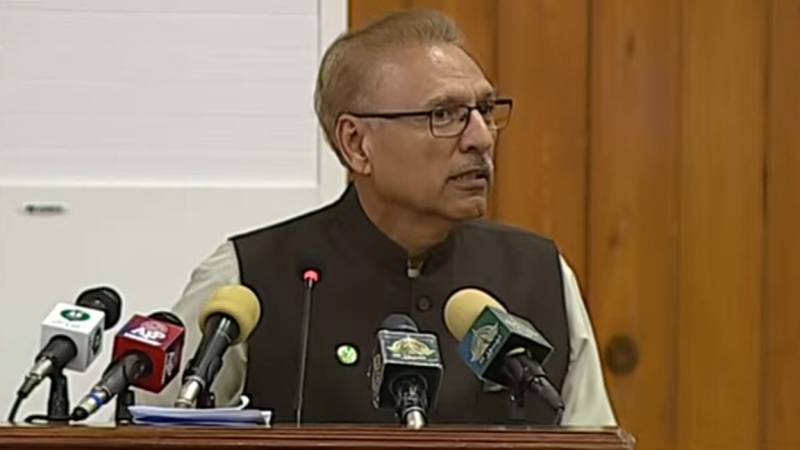
Raila Odinga: A Visionary Leader and Business Magnate
Raila Odinga, Kenya’s long-serving politician, has been a significant figure in shaping the nation’s political and economic landscape. Over the past three decades, he has been recognized for his contributions to reforms, democratic governance, and regional integration. His influence extended beyond politics into the realm of business, where he quietly built a multi-billion-shilling empire.
The Origins of a Business Empire
Odinga’s journey into entrepreneurship began with humble beginnings. In a social media video posted in June 2021, he shared how he started from scratch. At one point, he was forced to sell his Opel left-hand drive car to finance the acquisition of equipment from an Indian entrepreneur who had been exiled from Uganda. This move allowed him to set up his manufacturing company, which became the core of his business empire.
“The entire machinery was being sold at Sh12,000 which I didn’t have. My salary was only Sh2,000 so I sold my car to raise the cash and that is how I started East Africa Spectre Company,” Odinga recalled.
Spectre International Limited was incorporated on January 27, 1989, with shareholders including Lennox Development Ltd, Kisumu Development Trust Company Ltd, Oakland Ventures Ltd, and his family members as lead directors. From manufacturing steel-related products and selling them in the Kenyan market, the company later attracted attention from a businessman from Agip Oil Company, who encouraged Raila to venture into gas cylinder production due to market deficiencies.
Today, East Africa Spectre Company is one of the top manufacturers of gas cylinders in East and Central Africa.
Diversified Investments and Economic Influence
Raila’s business ventures extend beyond manufacturing. He and his family own a substantial stake in Be Energy, the local arm of a multinational founded by Saudi Arabian tycoon Sheik Abdul Kader Al Bakri. Be Energy held a market share of approximately 3.72 per cent in the local petroleum industry as of March this year.
His family is also linked to Lennox Development Ltd, which focuses on real estate investment and property development, and Duma Investments, which operates as a private investment company with interests in finance, real estate, and agriculture.
Raila’s most recent investment is in the Sh120 billion mixed-use LV Marina in Kisumu, a real estate project being developed by his close ally Suleiman Shahbal’s GulfCap Real Estate. LV Marina spans 285 acres on the Odinga’s defunct molasses plant site. He is also a shareholder in other firms, with his family investing widely in key sectors of the economy.
Recognition and Legacy
Raila’s net worth is not clear, but it is estimated to be in millions of dollars. Analysts attribute this lack of clarity to the dynamic nature of business valuations and the lack of disclosures, as his companies are private.
The former Prime Minister will also be remembered for championing growth in the private sector and job creation. The Kenya Private Sector Alliance (Kepsa) mourned him as “one of Kenya’s greatest statesmen,” noting his dedication to the country, which went beyond politics to economic prosperity.
During his tenure as Prime Minister (2008-2013), he became the first leader to institutionalize the Prime Minister’s Roundtable with the private sector in 2010. This forum established a critical mechanism for collaboration between government and industry, directly addressing bottlenecks and shaping policy for a better investment climate.
Contributions Beyond Kenya
Away from Kenya, Raila played a pivotal role in driving the African growth agenda, with a keen focus on infrastructure development, trade integration, and job creation. As the African Union High Representative for Infrastructure Development (2018-2021), he championed regional development with a focus on missing links along the transnational highway corridors identified as part of the Trans-African Highways Network.
He provided input into the Lamu Port, South Sudan, Ethiopia Transport Corridor (LAPSSET corridor programme), which is Eastern Africa’s largest and most ambitious infrastructure project. Raila believed that African countries should be able to trade freely among themselves through the African Continental Free Trade Area, and the skies should be open through the Single African Air Transport Market.
“For all this to happen, we need to stay focused on the priority infrastructure projects and start with the key ones already identified in PIDA (Programme for Infrastructure Development in Africa) and Agenda 2063. Having an integrated approach will help us realize quick wins,” he said during a forum he had attended in Johannesburg.


