Understanding Immune Health: Myths and Realities
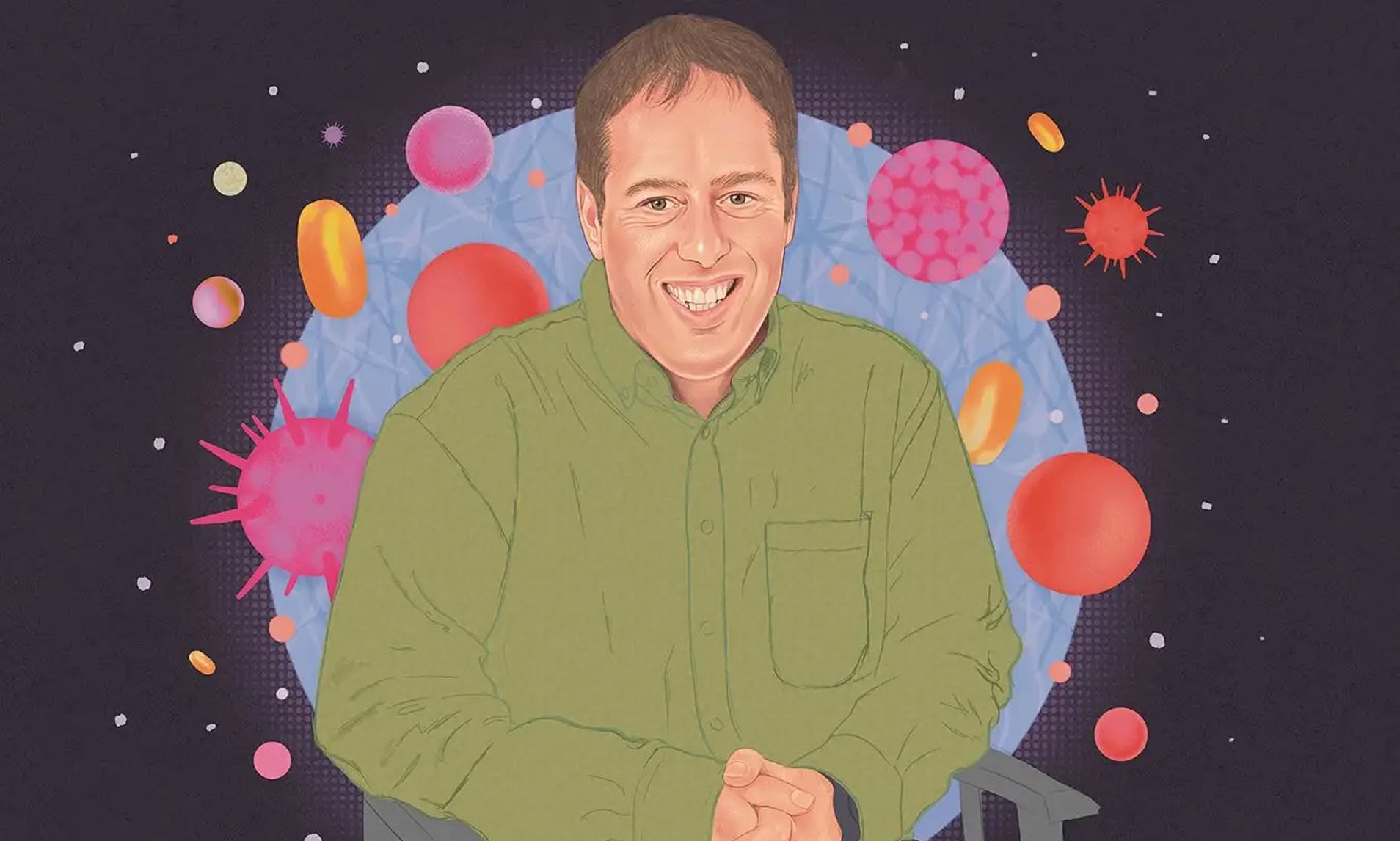
Daniel Davis, an immunologist at Imperial College London, is one of the leading voices in the field of immune health. He recently spoke at New Scientist Live in London, where he shared insights into the complexities of the immune system and how it interacts with various factors such as lifestyle, stress, and even mental health.
One of the most common misconceptions about the immune system is the idea that we can “boost” it. According to Davis, this approach is not only misleading but potentially harmful. The immune system is a highly regulated network of cells and processes, and increasing its activity in a general sense could lead to autoimmune diseases or allergies. Instead of focusing on boosting, Davis emphasizes understanding and supporting the immune system in a nuanced way.

The Complexity of Immune Function
The immune system is influenced by a wide range of factors, including diet, exercise, and the microbiome. However, one of the most significant factors affecting immune health is long-term stress. When the body experiences chronic stress, it releases cortisol, which can weaken the immune system over time. This has been supported by scientific studies showing that individuals under long-term stress often have weaker immune responses, making them more susceptible to infections and less responsive to vaccines.
Davis explains that while there are many claims about supplements and lifestyle changes that can improve immunity, the science behind these claims is often unclear. For example, vitamin C was once widely believed to prevent colds, but research has shown that while it may slightly reduce the duration of a cold, it does not prevent it. This myth was popularized by Linus Pauling, a Nobel Prize-winning scientist, whose advocacy for vitamin C was based on cherry-picked data rather than robust evidence.
The Role of Stress in Immune Health
Stress is a key factor in immune function, and managing it is crucial for overall health. While it’s difficult to measure the impact of lifestyle changes on immunity, some indicators like white blood cell counts can provide a rough idea. However, these measurements are not always reliable, as the immune system involves many different types of cells and processes.
In today’s digital age, social media platforms like TikTok are filled with experts claiming to have solutions for improving immunity. Davis warns that while some of these claims may be well-intentioned, they should be approached with skepticism. Scientific consensus, rather than individual opinions, should guide our understanding of immune health.
The Link Between Immune System and Mental Health
Recent research has revealed a fascinating connection between the immune system, inflammation, and mental health. Studies have shown that people with certain mental health conditions often have higher levels of inflammatory markers in their blood. For instance, children with elevated levels of IL-6, a type of cytokine, were more likely to develop depression later in life.
Experiments on animals have also demonstrated that injecting them with IL-6 can mimic symptoms of mental health conditions, such as reduced exploration and social interaction. However, translating these findings into effective treatments for humans remains a challenge. While anti-inflammatory drugs have shown promise in treating physical conditions like rheumatoid arthritis, their effectiveness in treating mental health issues is still unclear.
The Future of Immune Research
Despite the challenges, the field of immunology continues to evolve, offering new insights into how the immune system functions and interacts with other systems in the body. Davis emphasizes that while there are no simple answers to improving immunity, understanding the complexity of the immune system is empowering. It allows us to make informed decisions about our health and recognize the importance of factors like sleep, stress management, and a balanced lifestyle.
Ultimately, the study of the immune system reveals the intricate and dynamic nature of human biology. As research progresses, we may uncover new ways to support immune health and address the complex relationship between the immune system and other aspects of our well-being.


