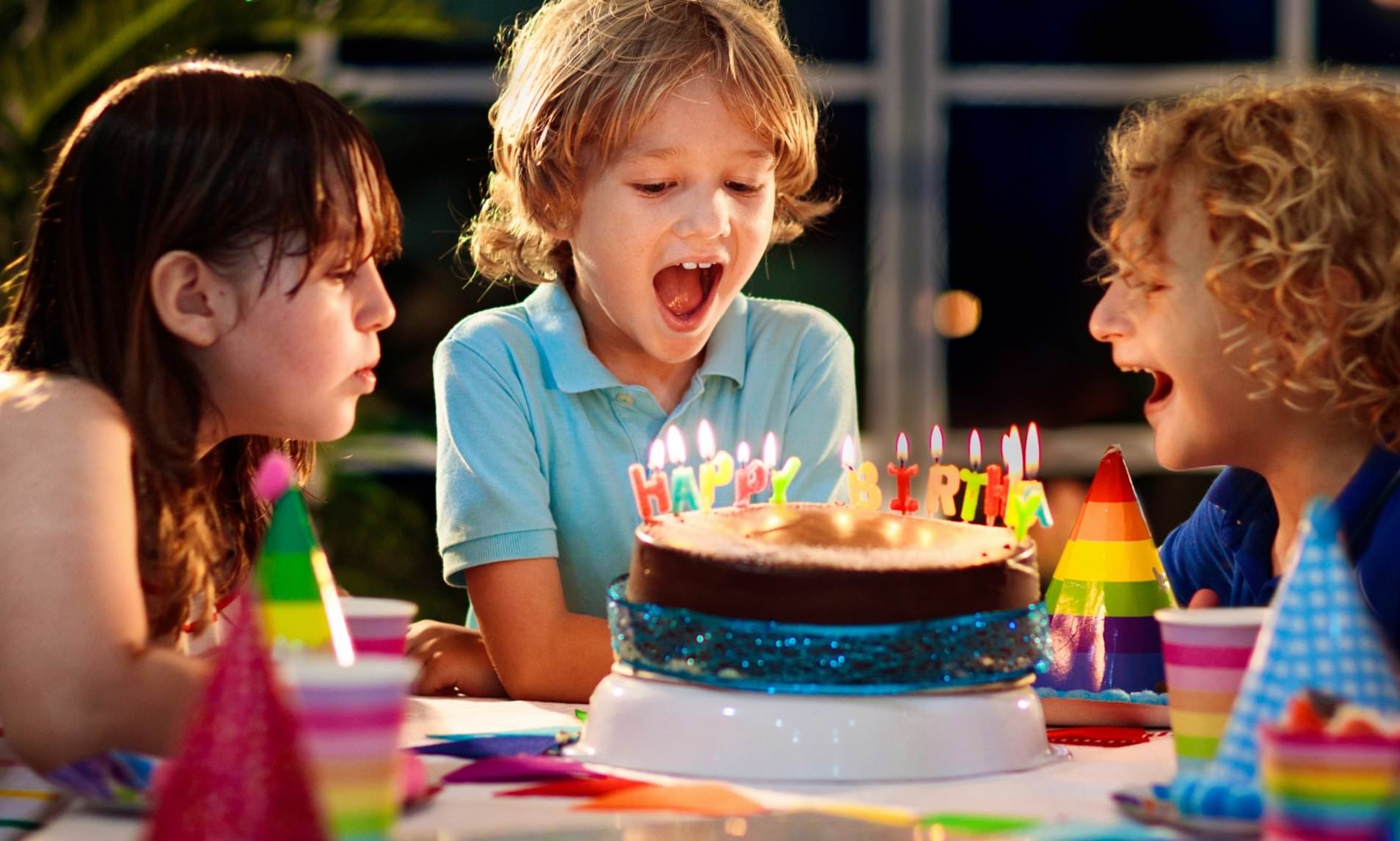
The New Approach to Celebrating Birthdays in UK Schools
In a recent move aimed at promoting healthier habits among young children, the Department for Education (DfE) has advised schools and nurseries to replace traditional birthday cakes with fruit platters. This guidance encourages parents to avoid bringing in sugary treats to celebrate their child’s special day, emphasizing the importance of balanced nutrition.
The early years nutrition advice, which was introduced this term, suggests that students should come to school with fresh fruit or even without any celebratory food at all. Instead of edible treats, the DfE recommends non-edible options such as stickers or bottles of bubbles as alternatives for celebration.
This policy has sparked significant debate, with critics arguing that it diverts attention from more pressing public health issues facing the UK. Stuart Andrew, the shadow health secretary, described the guidance as “performative” and “petty,” stating that “blaming birthday cake is just a distraction that does nothing to fix the system.” He emphasized that families don’t need the state policing party food but rather leadership that takes public health seriously.
According to the DfE document for the Early Years Foundation Stage (EYFS), many families enjoy celebrating their child’s birthday by bringing in a cake or sweets to share. However, this can lead to some children consuming unhealthy foods several times a week. The food and nutrition policy includes recommendations for special events to ensure any food brought in from home is balanced and meets the setting’s food guidelines. For example, it suggests recommending fruit platters to share or non-edible options like bubbles or stickers.
The guidance also emphasizes the importance of informing and involving parents in supporting healthy eating habits at early years settings. It is reported that one primary school has written to parents stating that it is no longer allowed to give pupils cake or sweets on birthdays. Instead, the school recommended that parents send their children in with treats like books, fruit, bubbles, or stickers.
Several specific institutions have been identified as aligning with this guidance. Hillcross Primary School in Morden, Surrey, has banned students from sharing out cake due to concerns about losing its “healthy school status.” Staff also expressed worries about the time required to distribute treats to classes. As an alternative, they suggested parents send their children in with items such as a book for the class library, a game for the wet play box, or an item from the school’s Amazon wishlist.
Similarly, Roxbourne Primary School in the Harrow area of northwest London has forbidden cake to promote healthy eating. They also mentioned that this helps avoid issues related to allergies or dietary requirements. The school suggested that pupils could instead bring in stationery for the class or a book for the school library.
At Tufnell Park Primary School in the north of the capital, teachers have replaced cake with gestures like songs, cards, and hats. Belmore Primary School in Hayes, west London, characterized cake as a health and safety risk, allowing pupils to wear their own clothes on their birthday. Classes at Springfield Primary School in Rowley Regis, West Midlands, are also going without cake, citing reasons such as dietary, religious, medical, allergen, and personal choice.
Former Conservative MP Sir Jacob Rees-Mogg shared his experience, stating that his own children are sent into school with cake, which he enjoys any surplus of himself. He called it an innocent joy, with its removal marking the rise of a nanny state.
Parents have taken to social media and online forums to express their outrage at the policy. One mother wrote, “I would be fuming if my children’s nursery had done that. How pathetic can you get?” She added, “We need to educate parents and children in healthy eating but forbidding cake and sweets is beyond your pay grade.”
Another parent commented, “Sadly for some children they may never get a birthday cake due to complexities at home. So I don’t see any harm in using your discretion and celebrating the children who would never experience their special day. A one-off treat!” Another said, “Ridiculous! Let kids be kids. They can have a bit of birthday cake.”
This issue comes amid broader accusations of a nanny state, with similar criticisms directed at the government over other aspects of its healthy eating policies. Plans announced in June require food businesses to make it easier for customers to buy healthy food. The government will work with supermarkets and food manufacturers in England to encourage people to make their weekly shop more nutritious.
How exactly retailers do that will be left up to them, but it could involve adapting store layouts and incentivizing healthy food via promotions or loyalty points. The plans could even go as far as changing products themselves to make them healthier. Stores will report on sales of healthy food, measured against targets agreed between industry and government.
Ministers hope these proposals will make healthy eating easier and bring down obesity rates. They are part of several public health initiatives under the ten-year plan for the NHS in England. However, the shadow work and pensions secretary Helen Whately criticized the intervention as an example of a nanny state, stating, “Telling people what to buy, I think, is not up to government. I believe in personal responsibility.”
The DfE has been contacted for comment.


