Understanding the Health Impacts of Chinese Takeaways
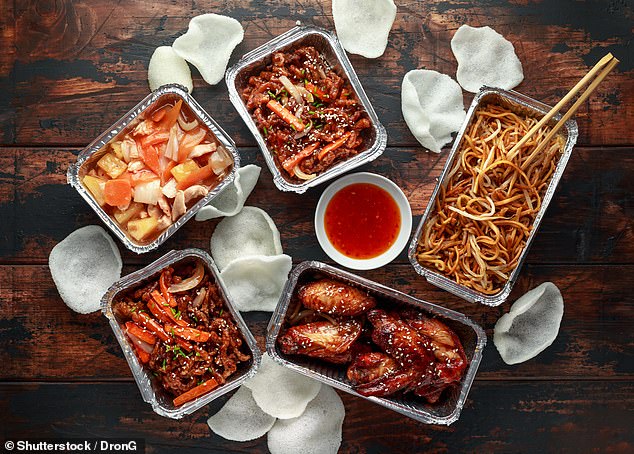
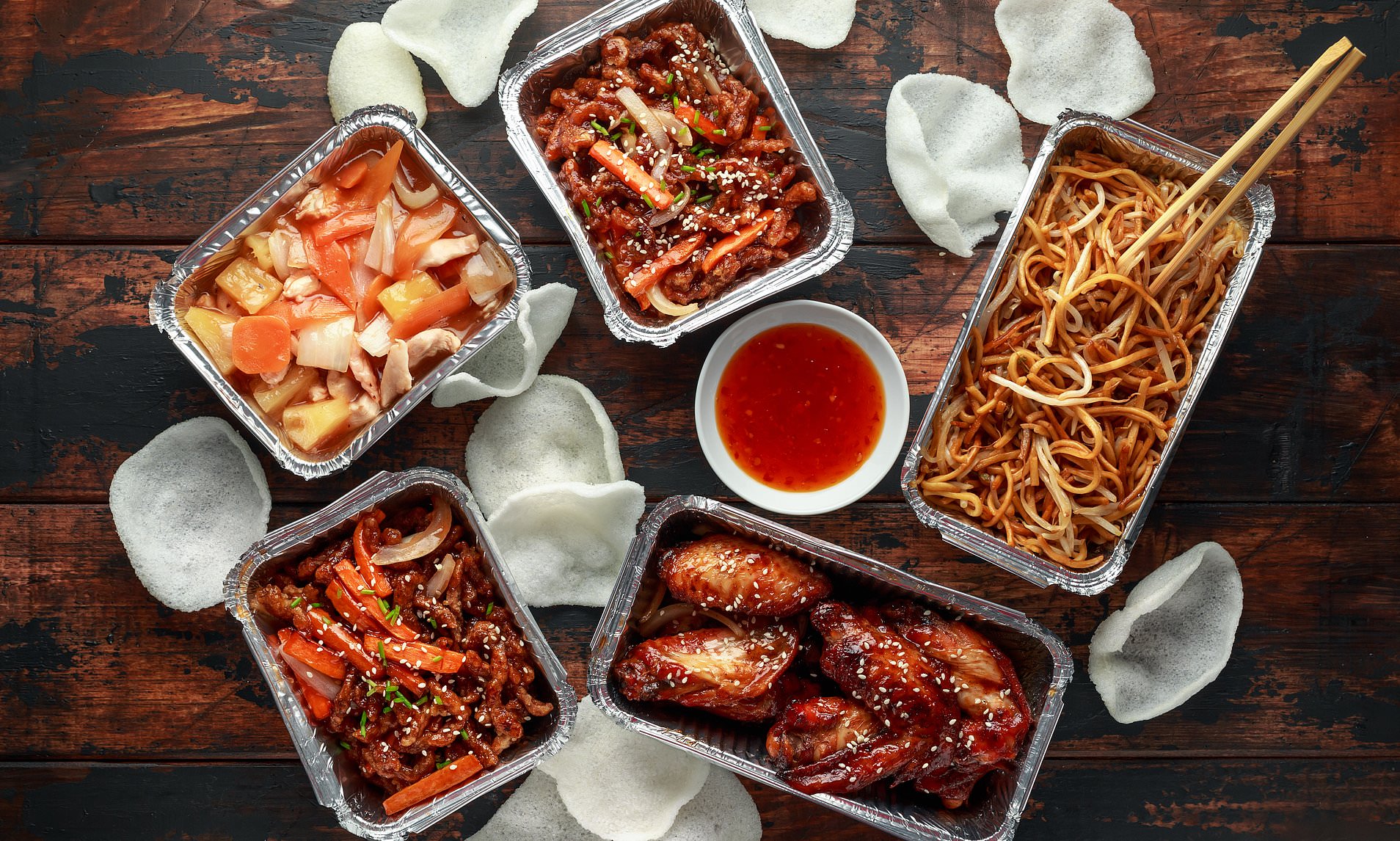
Ordering a Chinese takeaway is a beloved weekend treat for many, but concerns about high cholesterol, blood pressure, and obesity can make it difficult to enjoy without guilt. However, it’s possible to indulge in your favorite cuisine without consuming excessive calories. Juliette Martin, a registered nutritional therapist, highlights that foods high in salt, sugar, and fat, often found in takeaways, can have long-term health implications when consumed regularly.
Chinese takeaways are typically high in salt, which can negatively impact blood pressure over time, leading to fluid retention and bloating. Excessive salt intake increases water retention, putting extra pressure on blood vessel walls and raising the risk of heart disease and stroke. For example, beef with black bean sauce can contain more than 6g of salt per serving, which equals an adult’s total daily recommended allowance.
Diets high in saturated fats and refined sugars have also been linked to obesity and inflammation, increasing the risk of type 2 diabetes, heart disease, and certain cancers. The NHS recommends a maximum daily intake of free sugars at 30g, equivalent to 210g per week. However, one tablespoon of hoisin sauce alone can contain up to 5g of sugar, making it easy to exceed this limit with regular takeaways.
Making Healthier Choices When Ordering Takeaway
While Chinese takeaways may not be the first choice for a nutritional therapist, there are healthier options available for occasional indulgence. The key is to look for dishes based on whole foods, lightly stir-fried, poached, or steamed rather than deep-fried. The less breading and batter, the better.
Ms. Martin emphasizes the importance of including plenty of protein and fiber in your meal, as these nutrients take longer to digest and help you feel fuller for longer. She suggests following the “plate method” – palm-sized protein, half vegetables, and the rest carbs. The issue isn’t usually the food itself, but the portion sizes and frequency of consumption.
Healthy Dishes to Choose
Shrimp with Lobster Sauce
Despite its name, this dish uses fermented black beans rather than lobster. It includes stir-fried shrimp, peas, garlic, and spring onions, making it relatively low in calories but high in protein. Omega-3 fatty acids in prawns can help lower blood pressure and cholesterol, while selenium protects against oxidative stress. Adding Chinese broccoli can boost fiber and mineral content.
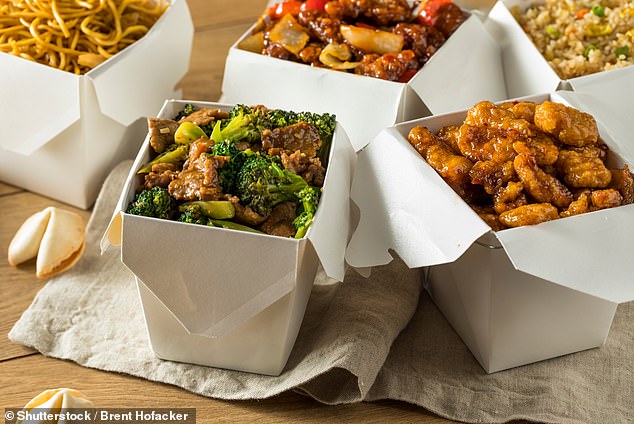
Beef and Broccoli
This dish provides over 30g of protein and iron. Ms. Martin recommends asking for less sauce to reduce salt intake, which can help manage blood pressure. Lighter sauces like garlic or ginger scallion are preferable to sticky ones like hoisin.
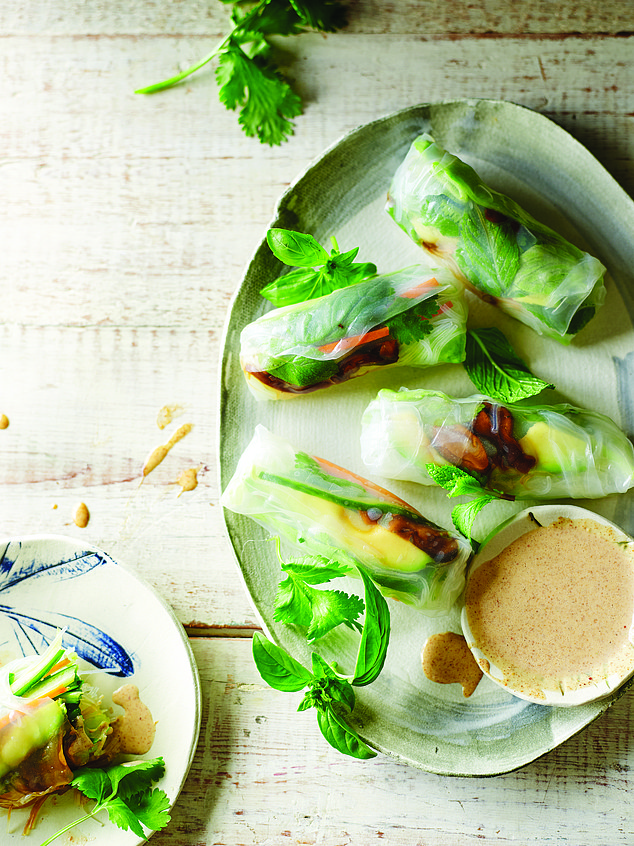
Lettuce Wraps Over Spring Rolls
Spring rolls are high in saturated fats and calories, contributing to inflammation and digestive issues. Alternatives like summer rolls or lettuce wraps offer a lighter option, with fewer calories and less fat. These alternatives are rich in vitamins and anti-inflammatory compounds.
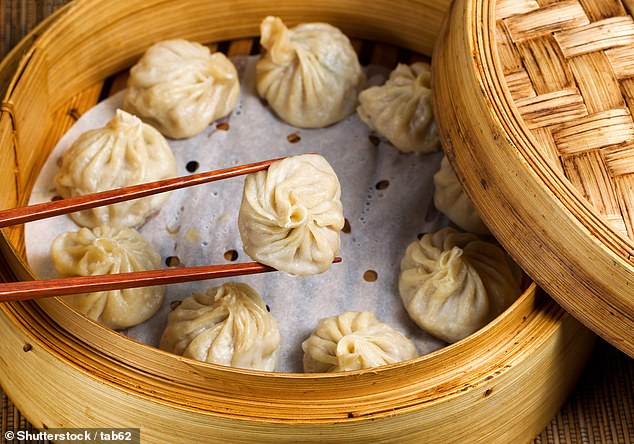
Steamed Dumplings
Steamed dumplings are a good source of protein and vegetables. Opting for vinegar-based condiments instead of salty sauces helps reduce sodium intake. Steamed dumplings are generally less processed than fried options like crispy wontons.
Rice Over Noodles
Plain jasmine rice is a better choice than egg fried rice, which can contain up to 5g of salt per portion. Brown rice is even better due to its higher fiber content, helping stabilize blood sugar levels. Rice is usually consumed in smaller quantities compared to noodles, making it a healthier option.
Soups and Broth
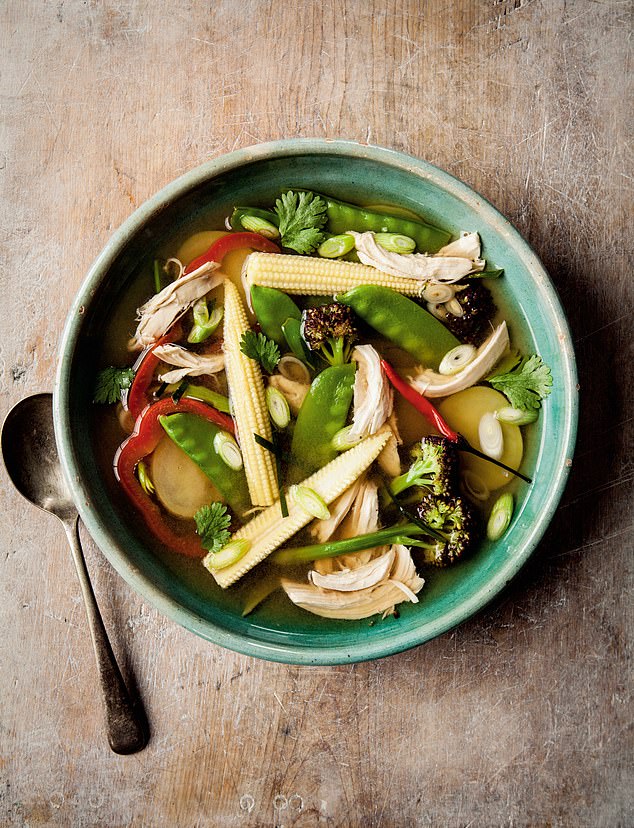
Soups and broths are gentle on the digestive system and can help prevent overeating. Hot and sour soup and egg drop soup are excellent choices, offering protein and anti-inflammatory ingredients like ginger and garlic.
Kung Pao Chicken or Tofu
This spicy Sichuan dish is high in protein and micronutrients, with peanuts providing healthy fats. Adding extra vegetables can increase fiber content and enhance the dish’s nutritional value.