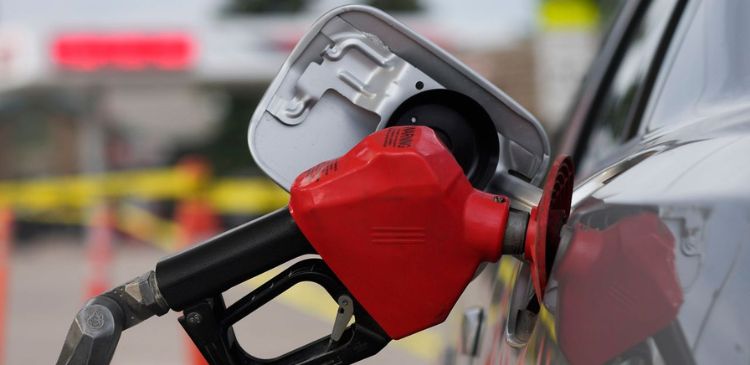
Rising Fuel Prices Spark Concern Among Nigerian Motorists
Motorists and commercial drivers across Nigeria were taken aback by the recent increase in the price of premium motor spirit (PMS) at various filling stations. The Nigerian National Petroleum Company Limited (NNPCL) raised pump prices by nearly N100, leading to widespread concern among those who rely on fuel for their daily activities.
In Lagos, the price of PMS jumped from N860 to N922 per litre at NNPC stations. Some drivers expressed fears that prices could reach as high as N1000 in more remote areas. Similarly, in Kano, the price increased from N905 to N968, with other filling stations also adjusting their rates accordingly. In Abuja, the price rose to N955 from N905, while Kwara recorded the highest rate at N975 per litre. Ondo and Osun had the lowest prices at N900 each.
The sudden price hike has placed a significant financial burden on many individuals, especially those in the transportation sector. Commercial drivers, such as Michael Oje, who operates a tricycle between Berger and Ogba, described the increase as outrageous. He noted that his fuel expenses have nearly doubled, from N19,000 when the price was N865 to N35,000 at the new rate of N950 per litre. This has left him questioning whether the government is aware of the struggles faced by ordinary citizens.
Tunde Adam, another driver, emphasized that motorists are at the mercy of market forces within the petroleum industry. He called on the government to take action and intervene in the situation. Meanwhile, a tricyclist who purchased fuel earlier at N860 per litre found himself surprised when he returned to buy more and was informed that the price had risen to N922. He lamented that he would have charged a different price if he had known about the increase.
A private motorist also expressed disbelief upon learning of the new rate. He stated that he was unaware of the change and preferred to purchase fuel from NNPC due to its reputation for fair pricing. However, the increase has made it difficult for many to plan their expenses effectively.
In Kano, several filling stations adjusted their prices, including Aliko and AA Rano, which had been selling at N920 since the recent conflict between Dangote Refinery and the Petroleum Natural Gas Workers Association (PENGASSAN). The NNPC station at Kofar Nasarawa near Kano line raised its price to N968 on Monday. Despite the lack of an official explanation for the increase, many motorists continued to purchase fuel at these stations.
Other stations, like AMMASCO in Gyadi-Gyadi court road, also adjusted their prices from N930 to N960. However, some residents reported finding lower prices at certain outlets, such as MRS filling station in Sabo Bakinzuwo road, where fuel was available at N885 per litre.
As of press time, there was no official statement from NNPCL regarding the price increases. Efforts to reach the company’s Chief Spokesperson, Andy Udey, remained unsuccessful.
Cooking Gas Scarcity Expected to Ease Soon
In a separate development, the Federal Government assured Nigerians that the recent scarcity and sharp rise in the price of liquefied petroleum gas (LPG), commonly referred to as cooking gas, would ease by next week. Minister of State for Petroleum Resources (Gas), Ekperikpe Ekpo, attributed the price surge to two main factors: industrial action by the Petroleum and Natural Gas Senior Staff Association of Nigeria (PENGASSAN) at the Dangote Refinery and ongoing maintenance work at the Nigeria LNG Train 4 facility.
These disruptions led to a supply shortfall, causing prices to spike from between N1,000 and N1,100 per kilogram to as high as N1,500-N1,700 in some regions. However, the minister stated that operations at the Dangote Refinery have resumed, with LPG loading for the domestic market already underway. Additionally, the Bonny River Terminal operated by Seplat Energy has commenced loading activities, and Nigeria LNG is gradually restoring normal operations as maintenance nears completion.
Ekpo urged Nigerians to remain calm and expressed confidence that supply to the domestic market would stabilize by next week, leading to a gradual reduction in prices. He reiterated the government’s commitment to ensuring sufficient and affordable gas supply for all households.
Impact on Daily Life and Economic Stability
The rising cost of fuel and cooking gas has had a ripple effect on the economy, affecting not only transportation but also household budgets. With food prices already high, many Nigerians are struggling to make ends meet. The government’s intervention in stabilizing energy prices remains a critical priority for both businesses and consumers.
As the situation continues to evolve, the need for transparency and accountability from energy companies becomes increasingly important. Motorists and consumers alike are hoping for a resolution that will restore stability and affordability in the market.


